Table of Contents
Houseplants can add greenery to a room, provide an enjoyable care routine, and—in the case of suitable culinary plants—supply small amounts of fresh herbs. Choose them for uses you can realistically support, rather than promises that a few pots will purify a home or treat a health problem.
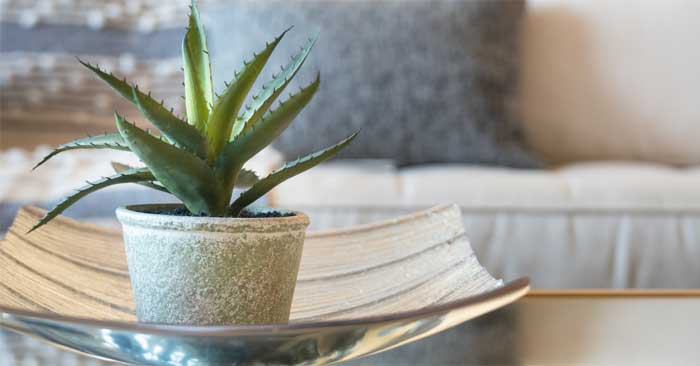
Enjoyment and a more pleasant space
A plant’s shape, texture, and growth can make a room more appealing to you. Start with one or two plants suited to the available light and your care schedule. A manageable collection is more useful than a crowded shelf of plants with incompatible needs.
Choose placement that leaves walkways clear and protects surfaces from leaking pots. Consider mature size, not only the small plant in the shop.
Houseplants do not replace air-quality measures
The US Environmental Protection Agency says there is no evidence that a reasonable number of houseplants removes significant quantities of pollutants in homes and offices. Laboratory chamber results do not directly establish the same effect in an occupied room.
Do not substitute plants for addressing pollution sources or appropriate ventilation. Avoid overwatering: excessively damp soil can encourage microorganisms. A dusty leaf also needs cleaning; dust collecting on a plant does not make it a complete air-filtration system.
Grow edible herbs where conditions suit them
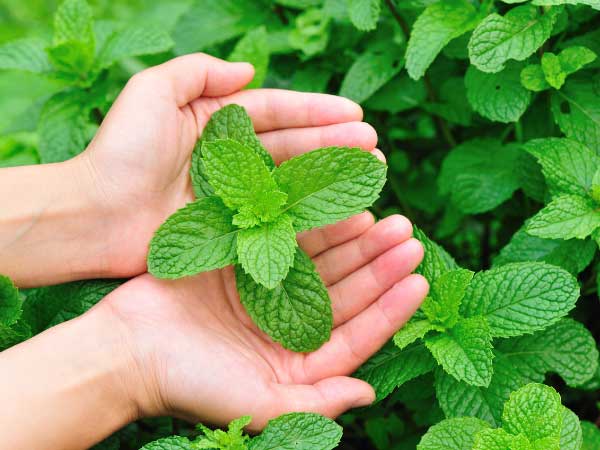
Basil, parsley, and other culinary herbs can be useful in a bright indoor growing area. Check each plant’s light, watering, and container needs. The University of Minnesota’s herb-growing guidance explains why sufficient light matters and when supplemental lighting may be needed.
Buy correctly identified plants intended for food use, wash harvested leaves, and follow any treatment-label restrictions. Growing a plant indoors does not automatically make it edible. Fruit trees and vegetable crops generally demand more space and careful conditions than a small decorative houseplant.
Keep medicinal claims separate
A plant with a history of medicinal use is not a ready-made treatment. Do not ingest aloe straight from a houseplant as a laxative. The NCCIH aloe overview distinguishes gel, latex, and whole-leaf products and describes safety concerns and possible interactions.
Similarly, keeping peppermint or chamomile on a windowsill does not establish that it will treat digestion, anxiety, or sleep problems. Use plants as plants unless a qualified professional has advised you about a specific preparation and purpose.
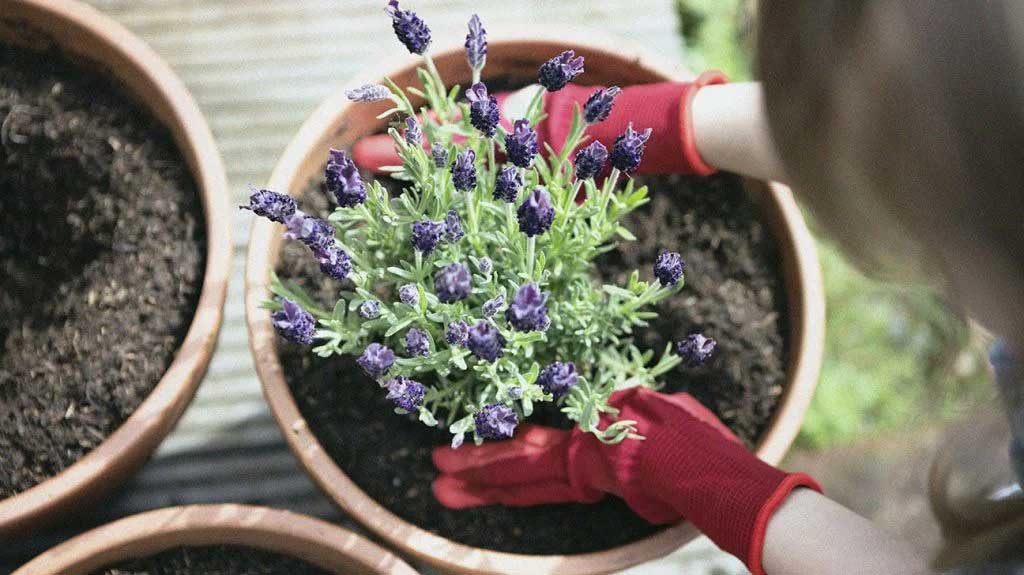
Choose bedroom plants for comfort, not a cure
If you enjoy greenery in the bedroom, choose a suitable plant without expecting a guaranteed sleep improvement. Avoid strong scents if they bother you, and check species safety for children and pets before bringing a plant home.
Match the plant to the room, keep the care routine simple, and judge the benefit by how it fits your daily life.
Related Articles
 6 ways to improve battery life for Windows laptops
 10 ways to improve battery life for smartwatches
 15 ways to improve MacBook battery life that you should know
 11 ways to increase productivity for your life
 Top 27 cities with the best quality of life in the world
 10 ways of thinking help improve your attitude effectively
Reader Comments 0
Sign in with email or Google to join the discussion.