Table of Contents
A study that followed children into young adulthood linked more sedentary time with a larger rise in systolic blood pressure, the top number in a blood pressure reading. Light activity was associated with a smaller rise in the study’s statistical model. The study did not test a treatment or establish a three-hour daily requirement.
How the study was done
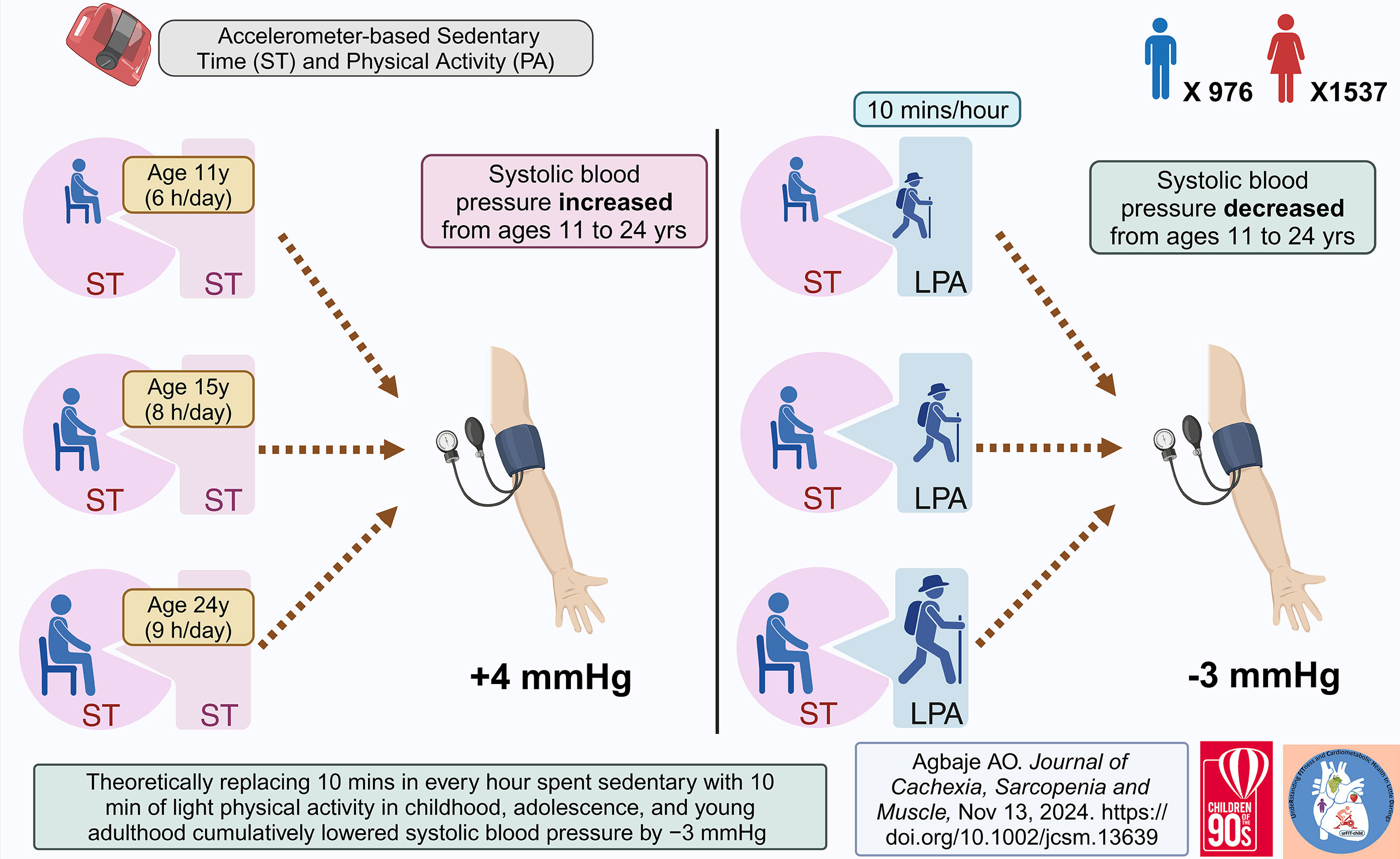
The published study used data from 2,513 participants in a UK birth cohort. Researchers measured movement with wearable accelerometers and assessed blood pressure at about ages 11, 15 and 24. This let them compare activity patterns as the group grew, while accounting for factors such as changes in body composition.
What the results mean
In the analysis, replacing some sedentary time with light movement was associated with lower predicted blood pressure. That replacement was modeled from the data. Participants were not randomly assigned to take activity breaks, so the result cannot show that a particular schedule would lower an individual child’s blood pressure by a fixed amount.
How light movement fits into an active day
Walking, playing and getting up between long stretches of sitting are ways to add movement. The World Health Organization’s guidance also recommends moderate-to-vigorous activity for children and adolescents. A child with repeated high readings should have them assessed by a health professional.
Related Articles
 How to prevent and control high blood pressure?
 Manufacturing artificial blood vessels to limit surgery 7 times for children with heart defects
 High blood pressure can affect thinking ability in some children
 High blood pressure, arthritis is more common in people living on high
 How to Get Your Child to Share What Happened During the Day
 Eat nuts, fish daily cut asthma, the risk of rhinitis in children
Reader Comments 0
Sign in with email or Google to join the discussion.