Table of Contents
This move by the US government is part of President Biden's Cyber Security strategy and is a step to "secure the building blocks of cyberspace".
Key Takeaways About Memory-safe Programming Language
- This move by the US government is part of President Biden's Cyber Security strategy and is a step to "secure the building blocks of cyberspace".
- Memory safety refers to protection against errors and vulnerabilities related to memory access such as buffer overflows and hanging pointers.
- Among today's popular programming languages, Java's runtime error checking should be considered a memory-safe programming language.
Key Details About Memory-safe Programming Language
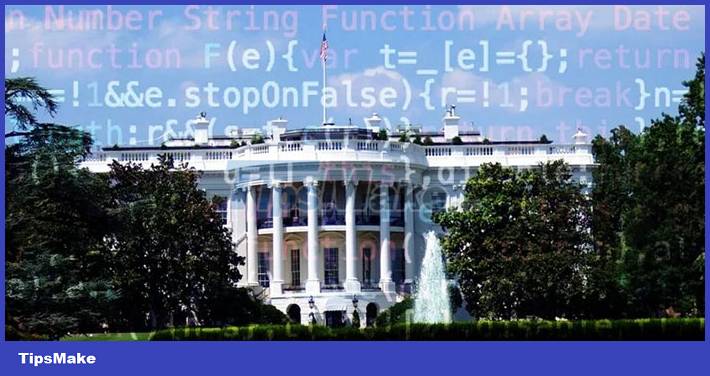
Memory safety refers to protection against errors and vulnerabilities related to memory access such as buffer overflows and hanging pointers.
Among today's popular programming languages, Java's runtime error checking should be considered a memory-safe programming language. Meanwhile, some programming languages lack features related to memory safety such as C and C++. The report states C and C++ are "insecure programming languages".
The ONCD report does not detail which programming languages are considered memory safe. However, in November 2022, the National Security Agency (NSA) released a detailed cybersecurity fact sheet on programming languages considered memory-safe.
The following are the programming languages recommended by the NSA:
- Rust
- Go
- C#
- Java
- Swift
- JavaScript
- Ruby
The languages recommended by the NSA above are all in the top 20 most popular languages.
FAQ
What is the main update about Memory-safe Programming Language?
This move by the US government is part of President Biden's Cyber Security strategy and is a step to "secure the building blocks of cyberspace".
Why does Memory-safe Programming Language matter?
Memory safety refers to protection against errors and vulnerabilities related to memory access such as buffer overflows and hanging pointers.
What should readers know about Memory-safe Programming Language?
Among today's popular programming languages, Java's runtime error checking should be considered a memory-safe programming language.
Related Articles
 The World's 5 Most Annoying 'Programming Languages'11 minutes read
 Top 5 Best Programming Languages for Kids Today6 minutes read
 Do You Know the 15 Hottest Programming Languages on This GitHub?11 minutes read
 16 Most Popular, Easy-to-find Programming Languages7 minutes read
 Write Happy New Year in 10 Different Programming Languages4 minutes read
 Statistics of the Most 'Hated' Programming Languages10 minutes read
Reader Comments 0
Sign in with email or Google to join the discussion.