Table of Contents
This updated guide examines The Fate of the Smartphones in the Second Hand Market: Removed to and organizes the essential facts, background, and practical takeaways in clear American English.
In the old marketplace, not only phones but everything can be refurbished or decomposed into small components for reuse. Let's see how artisans handle old electronics.
The first part removed for recycling is the plastic case. This is simple work, low labor cost so even though it takes time and effort, this is still profitable, even small.
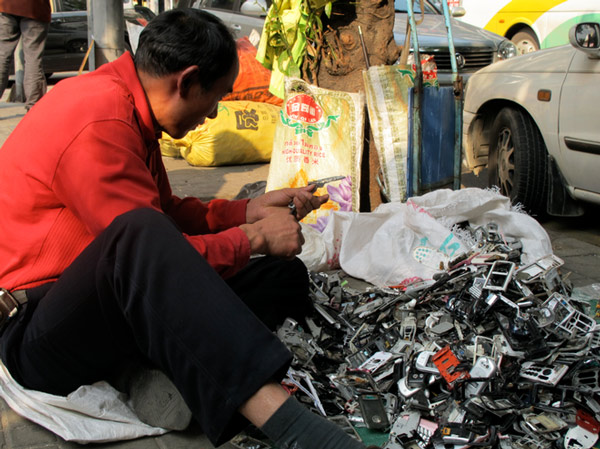
Next is the circuit board. This part will be taken to the separation area. After melting welds on components on the board surface with a heat gun, tweezers are used to pick up parts and arrange them.
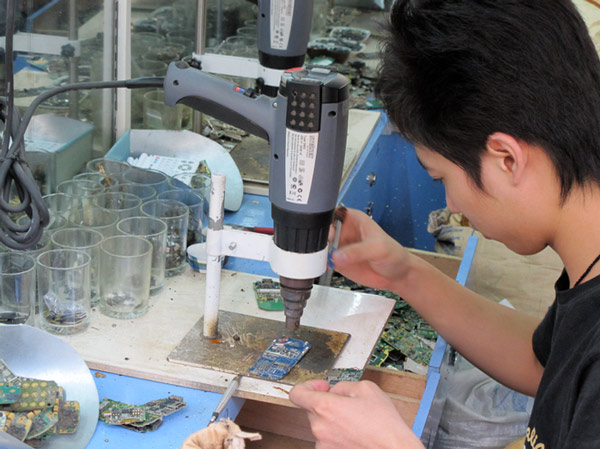
Most electronic components are reusable in 3-5 years so they are often sold to companies located at the bottom of the recycling industry.
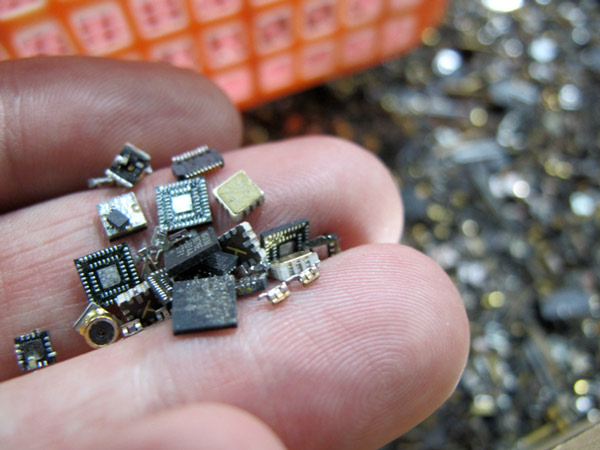
To control the quality of electronic components and make sure every small part is working well, first sellers will check them with their eyes to see if there is any sharp distortion or chipping. is not. After that, they used specialized equipment for testing and testing. Of course, these devices are quite rudimentary, not comparable to factories or research centers.
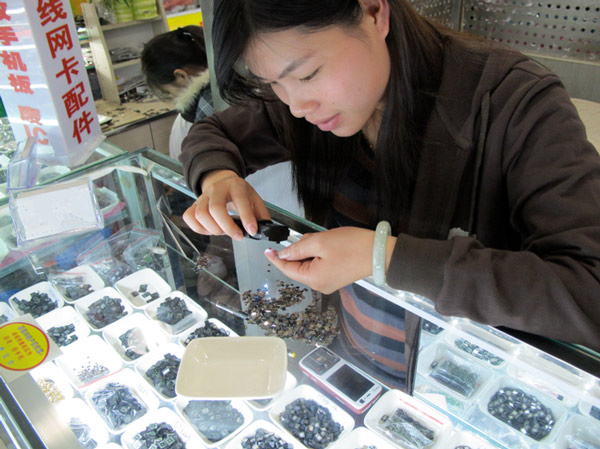
To check the operation and stability, they will be reset as on the original device.
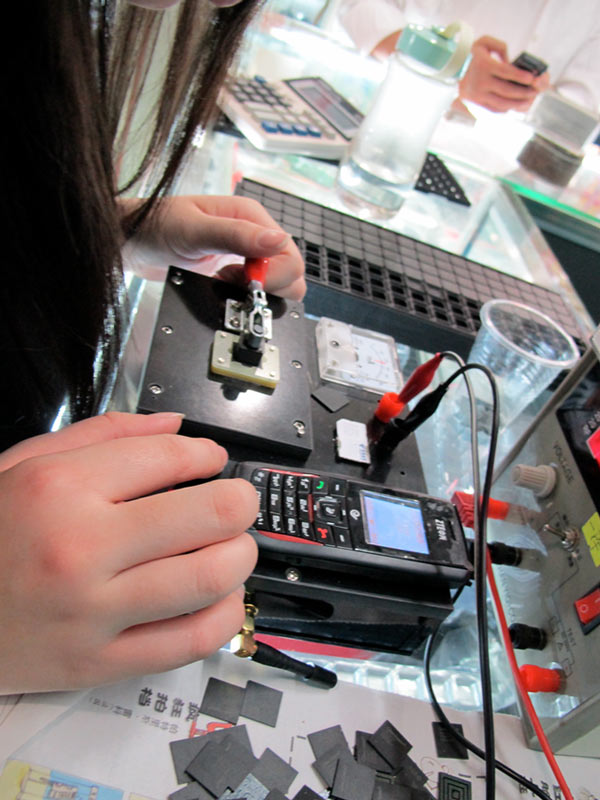
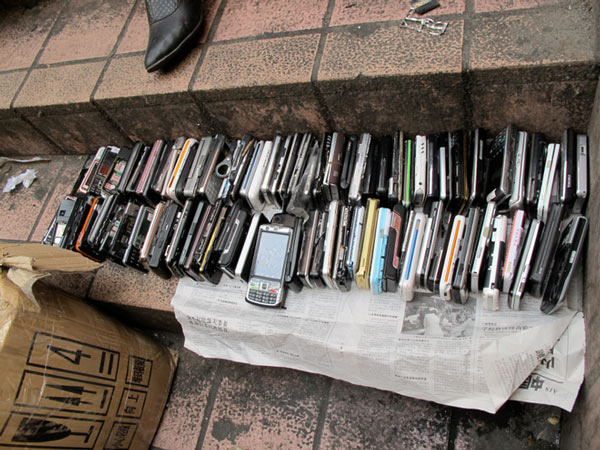
Each box contains a specific part of a phone, such as a processor, chip, camera, circuit board, monitor. Each shop sells different types of components.
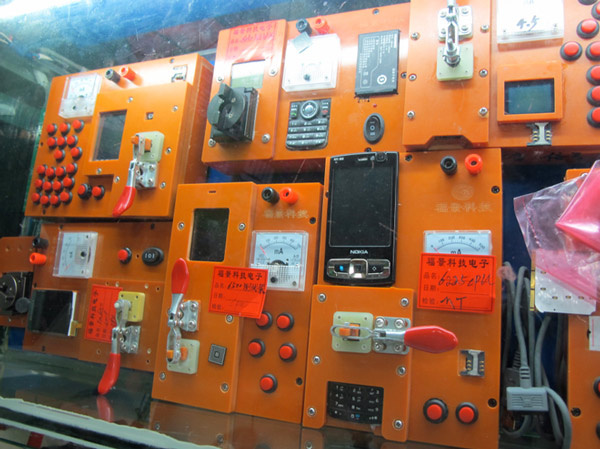
Customers here are mainly mobile phone repair shops. They choose to buy parts here because they are of high quality but are much cheaper than buying from original distributors.
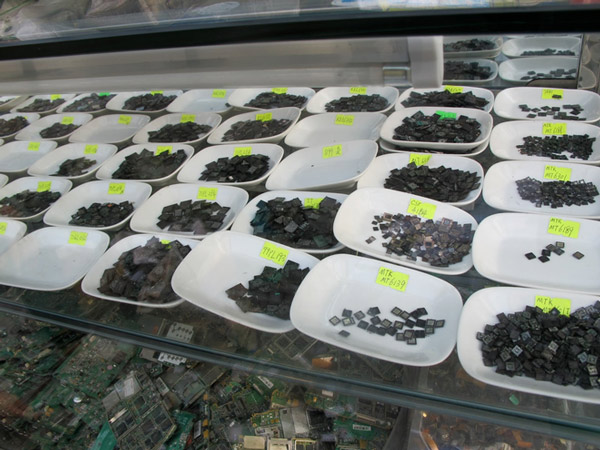
In these old markets, customers can also buy "gold" boxes, small parts containing lots of valuable metal materials, which can extract gold and silver from inside.
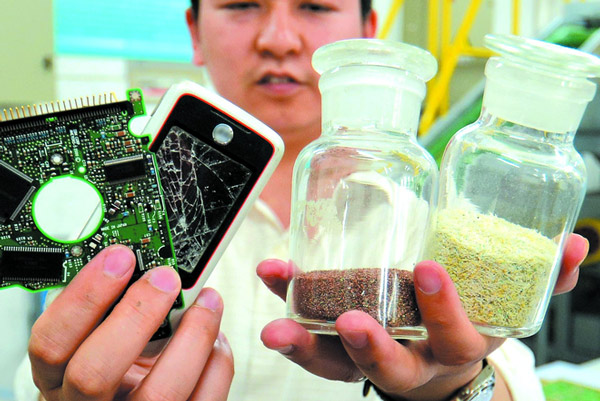
With old phones, which are not much damaged, they will be refurbished and resold.
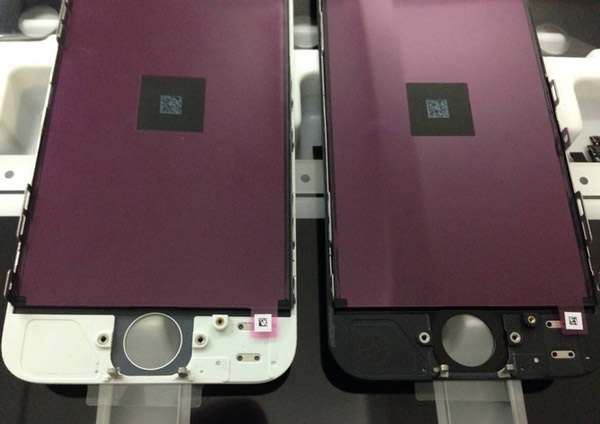
In addition to components, the owner's personal information is also an 'item'. The dismantling experts can use some special technical means to recover some valuable data in mobile phones such as SMS, photos, bank card information. Therefore, if Owners have low personal security barriers, their properties may be threatened.
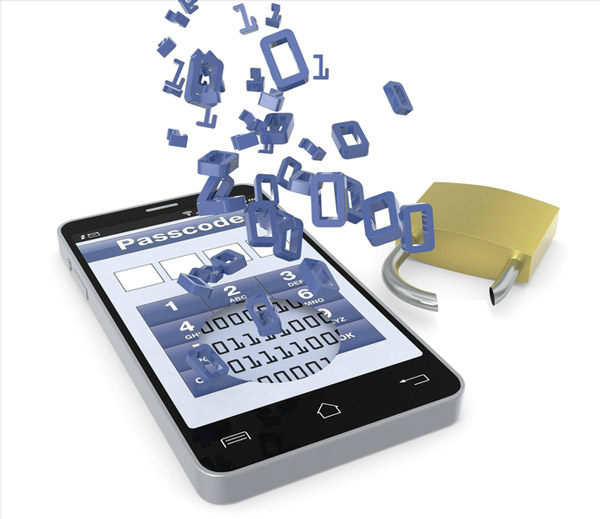
Some "experts" here have confirmed that software can be used to recover information on most old mobile phones, although it is relatively difficult and costly.
- Inside China's 'planting view, planting' farms
FAQ
What is The Fate of the Smartphones in the Second Hand Market: Removed to about?
It provides a structured overview of dismantling old phones, explains the main context, and highlights practical takeaways for readers.
Why does this topic matter?
Understanding the main concepts helps readers evaluate the issue, avoid common mistakes, and make better-informed decisions.
How should readers use this information?
Use the guidance as a practical starting point, confirm details that may have changed, and follow current product, safety, or security recommendations.
Related Articles
 5 Types of Mobile Applications Should Not Be Installed on10 minutes read
 Ways to Control Large Screen Smartphones with One Hand12 minutes read
 23 Malicious Apps That Steal Facebook and Instagram Accounts3 minutes read
 10 Pieces of Information Used to Steal Your Identity9 minutes read
 Hackers Can Steal Data from the Air Gap Network Computer Using Camera IR CCTV5 minutes read
 Information: What to Do to Detect and Prevent Spying1 minutes read
Reader Comments 0
Sign in with email or Google to join the discussion.