Table of Contents
Whole-body vibration machines are currently one of the most sought-after fitness equipment trends. However, is a whole-body vibration machine really right for you?
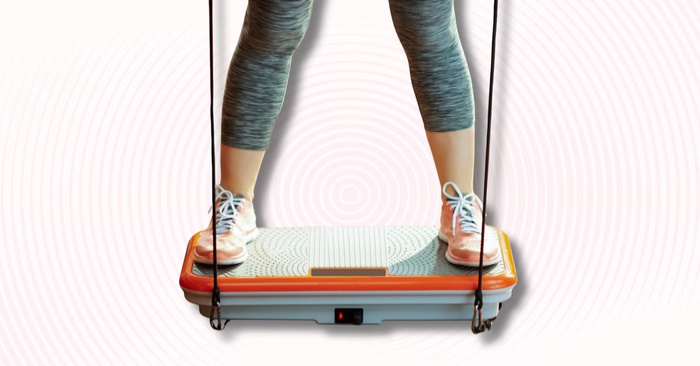
What is a whole-body vibration machine?
Whole-body vibration machines are devices with a low base and an electric motor that create whole-body vibrations when you stand, sit, or place any part of your body on the machine. They typically vibrate at a high frequency (30 to 50 times per second) measured in hertz. This forces your muscles to contract and relax rapidly to maintain stability.
Do all whole-body vibration machines work the same way?
No, there are two different types of vibrators or motion patterns:
- Oscillating vibrations move from side to side , creating a rocking effect that mimics natural walking. This side-to-side oscillation creates alternating loads across the hips and legs. This often feels smoother and less uncomfortable than vertical vibration, making it easier for beginners to use. Oscillating vibrations also cause less joint irritation, excessive muscle strain, or nervous system stress, making them a good option for older adults as well.
- Linear vibration machines move up and down and typically produce a higher intensity. This type of vibration can be helpful for athletes or those who use vibration machines for exercise as it can enhance muscle mobilization, strength, and power when combined with strength training or performance-based movements.
The truth about the benefits of using a whole-body vibration machine.
Burn fat and lose weight
The truth is: Whole-body vibration machines don't burn enough calories on their own to accelerate weight loss. While vibration causes muscle contraction, the energy required to do so is minimal – comparable to a slow walk. Vibration machines don't increase heart rate enough to trigger fat burning or significantly improve cardiovascular health. Fat loss requires a calorie deficit, something this machine alone cannot create. The notion that vibrations 'break down fat' is a myth.
Building muscle
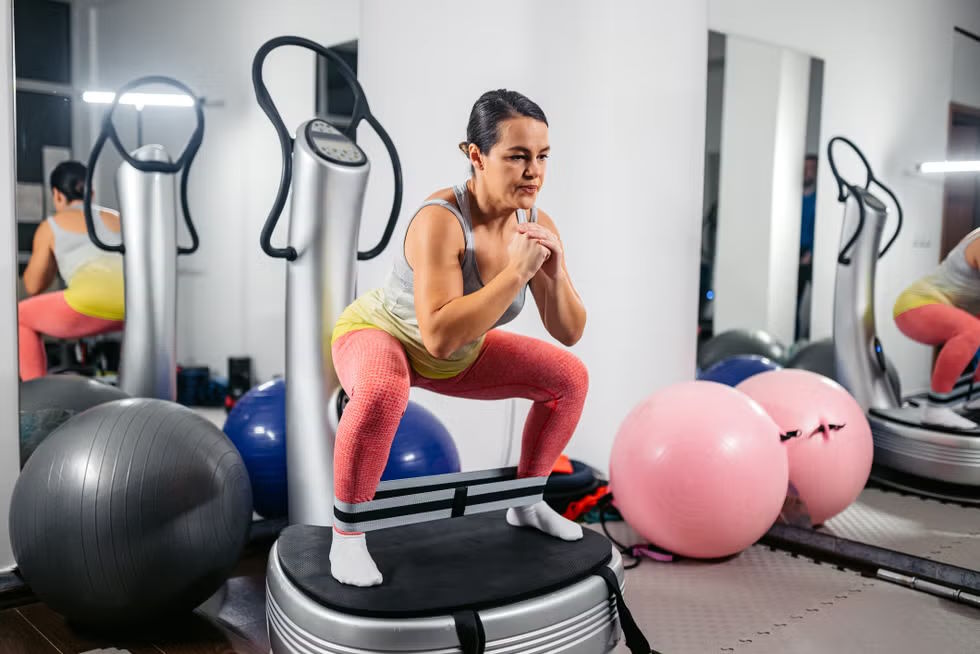
The truth is: Using a whole-body vibration machine can be helpful, but it's not the most effective strategy for building muscle.
Think of it this way: ' Every time a muscle contracts, it's due to a signal ,' says Heather Milton, CSCS, a certified clinical exercise physiologist at the NYU Langone Center for Sports Performance. 'The nervous system is responsible for this signal, and the nervous system is stimulated by the vibration .' Theoretically, regular exposure to vibrational stimulation could improve the body's ability to activate muscle fiber groups. This could lead to better muscle mobilization during strength training, helping to build muscle strength, endurance, and muscle mass over time.
To truly build muscle, focus on lifting weights that you find challenging and gradually push your limits in terms of weight, repetitions, or time.
Promote recovery after exercise.
The truth is : This is a case where a vibrating massager can actually be helpful. If you've ever used a handheld massager, you'll know the healing power of vibration on sore muscles. Vibrating massagers work in a similar way—without the pressure of tapping.
Through rapid muscle contractions, vibration machines help increase blood flow to the muscles, helping to remove waste products like lactic acid (a major cause of soreness) and release tension. Using them for 5 to 10 minutes after a workout can help remove lactic acid, increase oxygen supply to tissues, and potentially support faster, more comfortable recovery.
Enhance stability
The truth is: Vibrators can improve balance, especially in older adults and those with limited mobility. One study published in the journal Frontiers found that older adults using vibrators at higher frequencies saw the most significant improvements in balance. Another study from 2017 showed that whole-body vibration also improved functional movement patterns, such as transitioning from a sitting to a standing position, in older adults who used the device for eight weeks.
Improve bone density
The truth is : Vibrating pads can be a beneficial part of a larger effort to strengthen bones, but they probably won't do the job on their own. Essentially, the micro-movements from a vibrating pad can mimic the bone-building process of high-impact exercises like running without the same risk of harm.
If someone is looking to improve bone density, a whole-body vibration machine won't be the most effective tool. You'll get more benefits from weight-bearing and resistance exercises, such as walking, jogging, or jumping, and from adequate calcium and vitamin D intake.
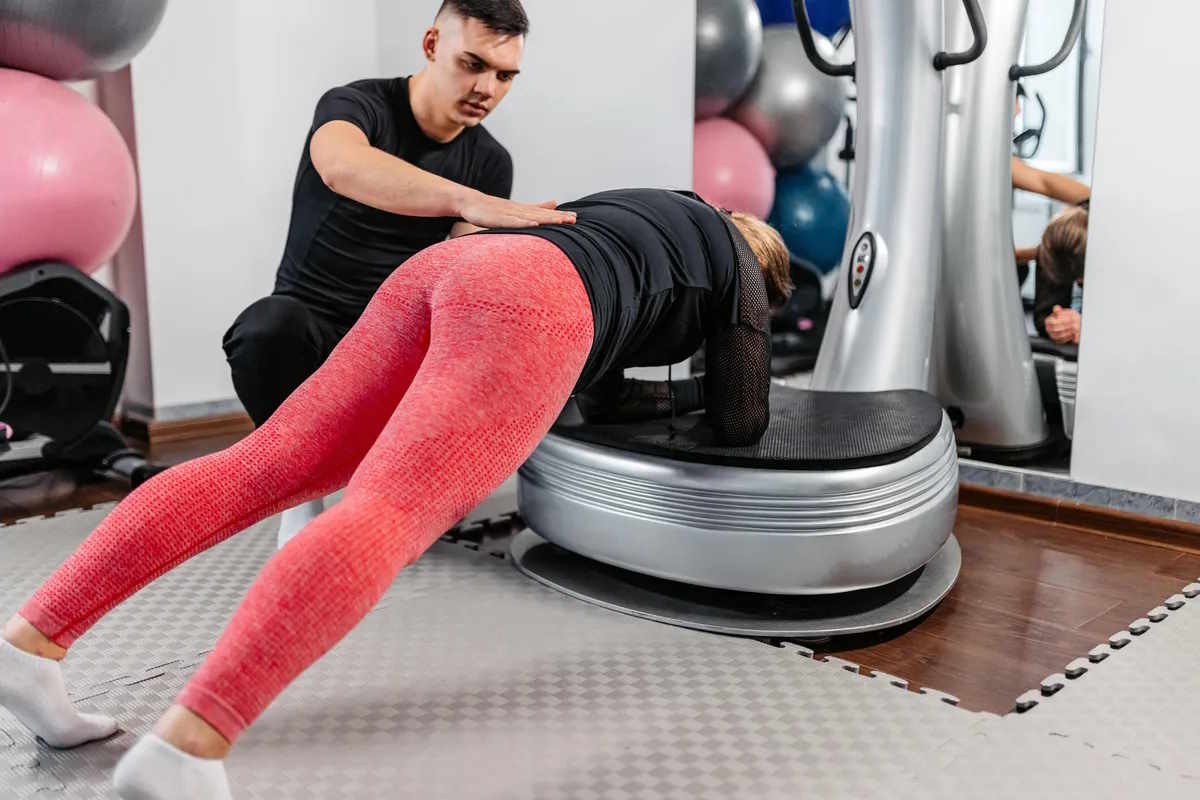
Who should and shouldn't use a whole-body vibration machine?
Studies on vibration therapy have primarily focused on older adults, people with physical limitations, or special populations. Therefore, if you belong to a group that has been studied and proven effective, you may find that vibration therapy offers more benefits than for healthy individuals without disabilities.
Those with sedentary lifestyles, poor blood circulation, lymphatic congestion, joint limitations, or those recovering from injury often benefit the most. It can also be a good option if you prefer low-intensity exercises, as it's a joint-friendly tool when used correctly.
Related Articles
 Where to Buy a Blood Pressure Monitor4 minutes read
 Low Phosphate Levels Can Be Dangerous for Cardiovascular Health3 minutes read
 How to Prevent and Control High Blood Pressure8 minutes read
 Hypertension in Pregnancy Can Affect Long-term Cardiovascular Health2 minutes read
 Beetroot Juice Helps Elderly People Lower Blood Pressure by Changing5 minutes read
 Every Day a Branch of Celery && Surprise Use with High Blood7 minutes read
Reader Comments 0
Sign in with email or Google to join the discussion.