Table of Contents
This article provides a clear overview of The 10 Fastest Animals on Earth, with the main facts, useful context, and practical details organized for easy reading.
1. The cheetah is the fastest animal on Earth with a maximum running speed of up to 115 km / h. A cheetah can accelerate from 0 to 96km / h in 3 seconds and reach a top speed in 60 seconds.
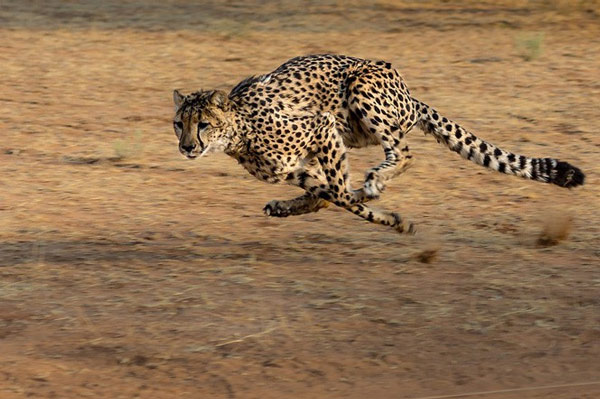
2. Springbok - Springbok, with a top speed of 100km / h, is considered one of the fastest animals in South Africa. In addition to running fast, this antelope also has the ability to jump about 4m high.
3. Horn antelope - Pronghorn. Strong legs help this antelope reach the maximum speed of 88.5 km / h.
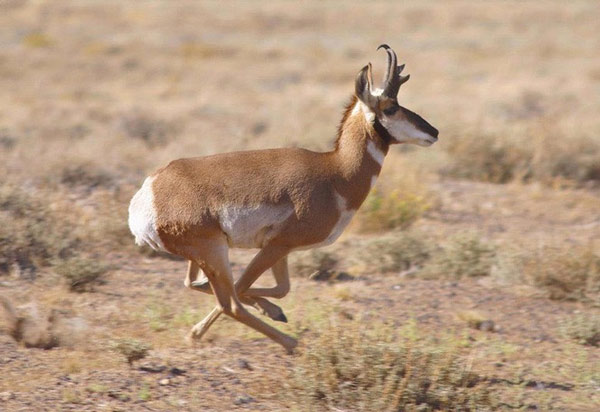
4. Blue wildebeest, with a maximum running speed of 80.5 km / h.
5. Indian black antelope - Blackbuck, featuring long, twisted horns in a V-shape. They can reach amazing speeds, up to 80km / h.
6. When hunted by predators, European hares can reach a top speed of 77km / h. Even animals can run backwards without slowing down and jumping up to about 5-7m high.
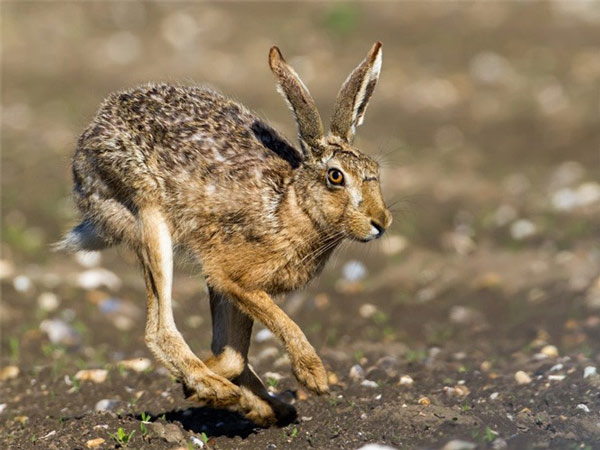
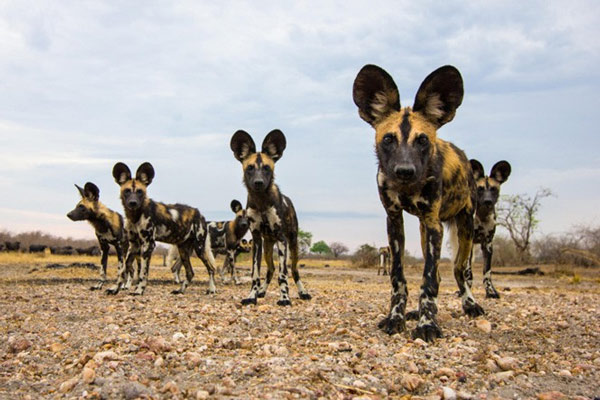
7. With super-fast hunting speed of 71km / h, the African wild dog is one of the fastest animals on Earth.
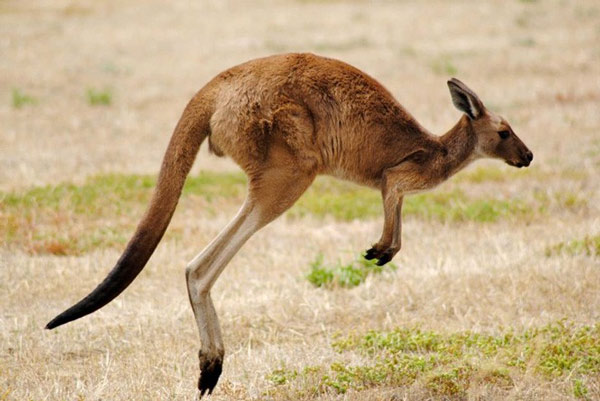
8. Usually a kangaroo has an average speed of about 26km / h, but when in danger, it can accelerate to 71km / h. Kangaroo also only needs 1.2 minutes to pass 2km at a speed of 40km / h.
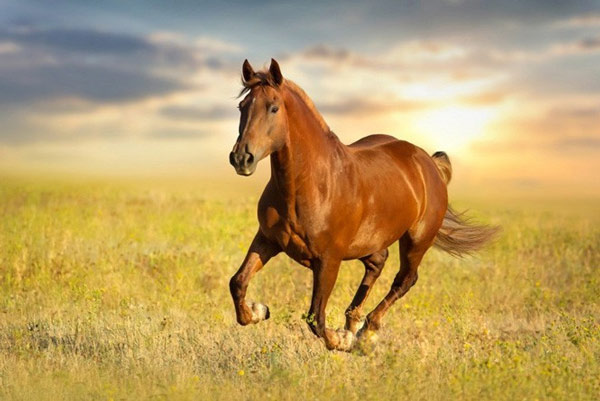
9. Horse speed can range from 56-70km / h, depending on the breed.
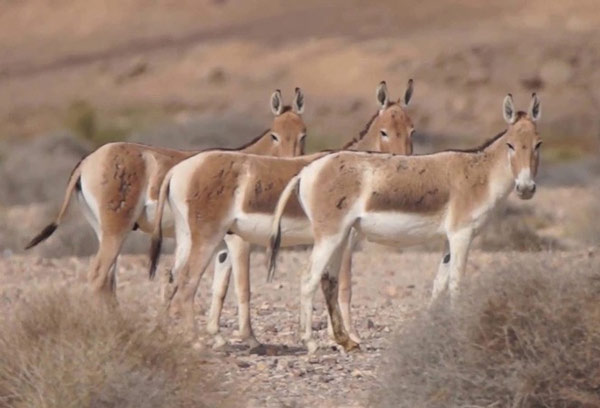
10. With a maximum running speed of 70km / h, wild asses are last in the list of the 10 fastest animals on Earth.
FAQ
What is the main focus of The 10 Fastest Animals on Earth?
The article explains the most important facts, context, and practical details related to The 10 Fastest Animals on Earth.
Who may find this information useful?
It is useful for readers who want a clear overview, practical context, and a better understanding of the subject.
What should readers verify before taking action?
Check current product versions, official requirements, regional availability, and any details that may have changed since the original publication.
Related Articles
 Why Aren't the Largest Animals the Fastest?7 minutes read
 If the Earth Swells Twice, How Will Humans and Plants and Animals4 minutes read
 How Many Animals Have Ever Existed on Earth: What to Know6 minutes read
 Animals That Could Reshape Earth's Waterways11 minutes read
 20 Animals Are So Strange That You Don't Believe They Exist on Earth (Part 1)5 minutes read
 The Strangest Photos on Mars in the World: All Rocks and Earth Overlooking8 minutes read
Reader Comments 0
Sign in with email or Google to join the discussion.