Table of Contents
Winter weather is often more harsh than the rest of the year, so our bodies are often prone to health-related problems, such as sore throat, flu, stomach ulcers. So How to recognize and prevent these diseases effectively when it gets cold.
1. Colds

Colds are the most common disease when weather changes. This disease is caused by bacteria that grow and develop to attack the body when resistance is weak. So to prevent colds, you should wash your hands often before, after eating and after going to the toilet. This helps you eliminate bacteria from colliding with objects around or contacting sick people.
The second is to keep the house clean and ventilated to prevent bacteria from growing.
Tip : If you have a cold, use disposable paper towels instead of handkerchiefs to avoid having to wash your hands and wash towels continuously.
2. Sore throat
Sore throat is a problem that occurs often in winter. The disease is caused by a virus. The next cause can be faced by the body with the temperature difference between the room and the outdoors causing the throat to hurt.
Tip : When you have a sore throat you should rinse your mouth with warm salt water. Although saline is not treatable when you have an infection, it is anti-inflammatory and works to soothe a burning throat.
3. Asthma
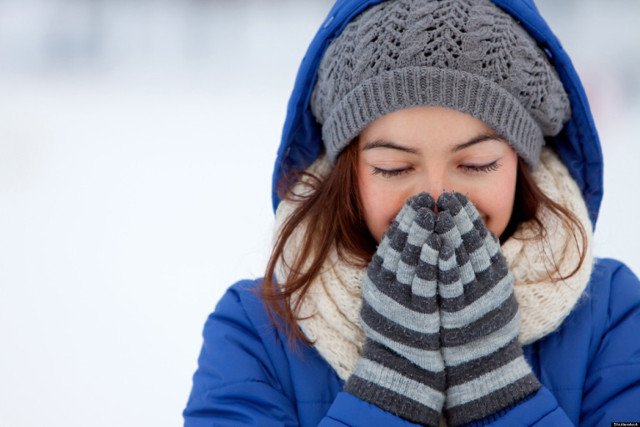
Cold weather is a cause of asthma symptoms such as difficulty breathing, wheezing or shortness of breath. People with a history of asthma should take care of their bodies during the winter.
Tips for small tips : Stay indoors on low temperatures and cold winds. If you have to go outside, wear a scarf or mask to cover your nose and mouth.
4. Norovirus syndrome
Norovirus is a common virus that causes inflammation in the stomach and intestines and is extremely contagious. It can be infected year-round at any time, but is more common in winter and more contagious in places like hotels, hospitals, nursing homes and schools.
When infected with norovirus, people feel very uncomfortable, but fortunately only a few days.
Tip : When a patient has vomiting and diarrhea, it is important to drink plenty of water to avoid dehydration, especially in young children and the elderly so patients need to drink water to compensate for electrolytes as the most effective.
5. Joint pain

Joint pain is a common disease in middle-aged or elderly people. The disease makes them painful and the joints become harder in the winter. However, no studies have proven that joint pain is caused by weather changes.
Tip : Many people experience mild depression during the dull winter months and this can make them feel more painful. Daily exercise can increase mental and physical state. Swimming is an ideal practice because it acts on joints.
6. Stomach pain caused by cold.

Weather changes or cold weather make stomach and stomach ulcers ever more painful. Currently medicine has not been able to find a solution to prevent stomach ulcers. Increasing resistance to the body is a way to reduce the risk of disease.
Tips : Everyday, do things that make you feel less stressed like hot showers, walk in the park or watch one of your favorite movies.
7. Heart attack
In winter, the pain is also becoming more common. The cause may be because cold weather causes high blood pressure in the body, putting pressure on the heart. In the winter the heart must also work harder to maintain body temperature.
Tip : Keep your home warm. Maintain the room temperature at a minimum of 18 degrees Celsius and use a hot water bottle or electric blanket to keep warm in bed.
Wear warm when you go out and remember to wear a hat, scarf and gloves.
8. Cold hands and feet

Cold limb phenomenon is a quite common condition in the winter that makes the feet, fingers numb and change color.
When the weather is too cold, our body will turn from white, then green, then red and swollen, causing numbness and pain in the limbs.
Tips : Don't smoke or drink coffee (both can aggravate symptoms) and always wear warm gloves, socks and shoes when going out in cold weather.
9. Flu
Flu and cold are the two most confusing diseases. Middle-aged people and pregnant women and people with chronic diseases such as diabetes, kidney disease and obstructive pulmonary disease (COPD). are people at high risk of dying from the flu. The best way to prevent the flu is to get vaccinated.
FAQ
What is winter disease?
Winter weather is often more harsh than the rest of the year, so our bodies are often prone to health-related problems, such as sore throat, flu, stomach ulcers.
What makes winter disease notable?
Colds Colds are the most common disease when weather changes.
What are the key facts about winter disease?
Stomach pain caused by cold.
Related Articles
 How to Prevent and Treat Limbs in the Winter8 minutes read
 Winter Statuses for Those Who Are Alone11 minutes read
 Interesting Facts About Winter Solstice4 minutes read
 Good Status Sentences and Meanings for Winter: Warm Winter Stt4 minutes read
 Should Doors Be Left Open in Winter?5 minutes read
 10 Common Diseases in Children in the Fall, Symptoms and Prevention9 minutes read
Reader Comments 0
Sign in with email or Google to join the discussion.