Table of Contents
The best smartwatch is the one that works fully with your phone and fits your charging habits. For iPhone owners, Apple Watch offers the deepest integration. Android users should start with Pixel Watch or Galaxy Watch for apps and communication, while Garmin, OnePlus, and Amazfit are stronger choices when battery life or training tools matter more.
Quick recommendations
| Best for | Recommended model | Why it stands out |
|---|---|---|
| Most iPhone users | Apple Watch Series 11 | Best balance of watchOS features, size choices, health tools, and iPhone integration |
| Lower-cost Apple Watch | Apple Watch SE 3 | Core Apple Watch experience with fewer premium sensors and materials |
| Outdoor use with iPhone | Apple Watch Ultra 3 | Rugged case, longer battery claim, brighter display, and extra outdoor features |
| Google phone integration | Google Pixel Watch 5 | Wear OS, Google services, Fitbit-based fitness features, and a compact circular design |
| Samsung Galaxy phones | Galaxy Watch8 or Watch8 Classic | Strong Samsung integration; Classic adds a physical rotating bezel |
| Rugged Android watch | Galaxy Watch Ultra2 | Titanium outdoor design and long-battery modes |
| Fitness plus longer battery | Garmin Venu 4 | Multi-band GPS, broad activity tracking, and multi-day battery claims |
| Wear OS with fewer charges | OnePlus Watch 3 | Google apps with a manufacturer claim of up to five days in Smart Mode |
| Long battery at a lower cost | Amazfit Balance 2 | Broad sport tracking and a manufacturer claim of up to 21 days in typical use |
Prices, regional availability, and health features change frequently. Compare the exact model, case size, cellular option, and warranty sold in your country before ordering.
Best for most iPhone users: Apple Watch Series 11
Series 11 is the sensible default for an iPhone owner who wants notifications, calls, Apple Pay, apps, workouts, and current watchOS features without the size and cost of an Ultra. Apple's current Apple Watch comparison lists Series 11 alongside the SE 3 and Ultra 3.
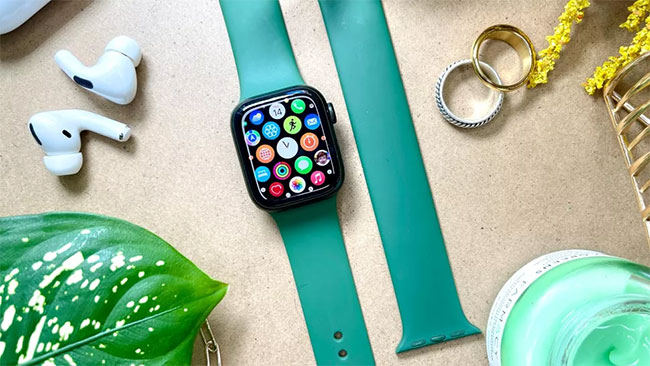
The photo shows Series 7 from the original version of this guide. It can still illustrate the basic Apple Watch shape, but buyers should compare its remaining software support, battery health, and repair cost with a current Series 11. This Series 11 and Ultra 3 comparison explains the practical differences between Apple's current mainstream and outdoor models.
Best lower-cost Apple Watch: Apple Watch SE 3
Choose SE 3 when you want the Apple ecosystem, safety features, fitness tracking, and app support but do not need every sensor or premium case option. Apple says SE 3 supports fast charging, unlike SE 2. Check Apple's comparison page for the specific health and display features omitted from the SE before buying.
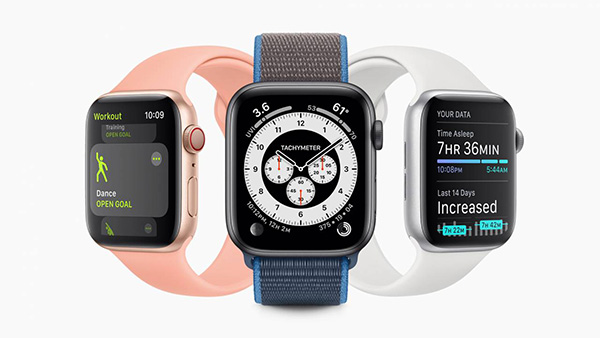
An older SE can be attractive on sale, but a heavily used battery can erase the savings. Ask for battery condition and confirm that the model can run the watchOS version you need.
Best rugged Apple Watch: Apple Watch Ultra 3
Ultra 3 is aimed at hiking, endurance workouts, water activities, and buyers who prefer a large rugged case. It is not automatically better for everyday use: the size, weight, and price are unnecessary if you mainly need notifications and short workouts. Apple lists 100-meter water resistance for Ultra 3, but water resistance is not permanent and activity limits still apply.
Best Google watch: Pixel Watch 5
Pixel Watch 5 is the most direct fit for Android users who want Google's own Wear OS experience, Gemini features, Google apps, and Fitbit-based health and fitness tracking. Google advertises up to 40 hours of battery life, but always-on display, cellular use, GPS workouts, and notifications can reduce real-world runtime. Review the official Pixel Watch 5 page for supported phones and country-specific features.
Best for Samsung phones: Galaxy Watch8 and Watch8 Classic
Galaxy Watch8 is the lighter everyday choice. Watch8 Classic adds a stainless-steel case, Quick Button, and physical rotating bezel, which is useful if you prefer tactile navigation. Some Samsung Health functions depend on a compatible Galaxy phone and may be restricted by country, so do not assume every advertised sensor works with any Android device.
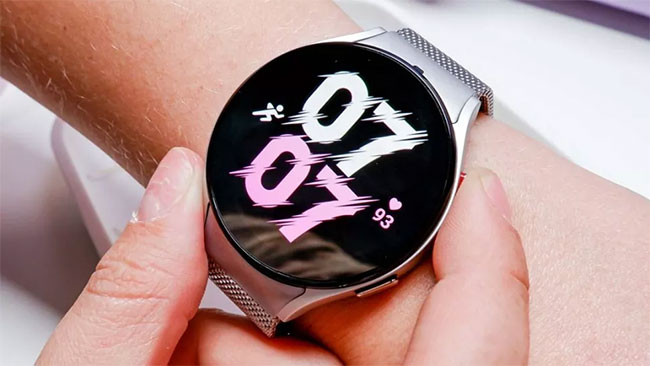
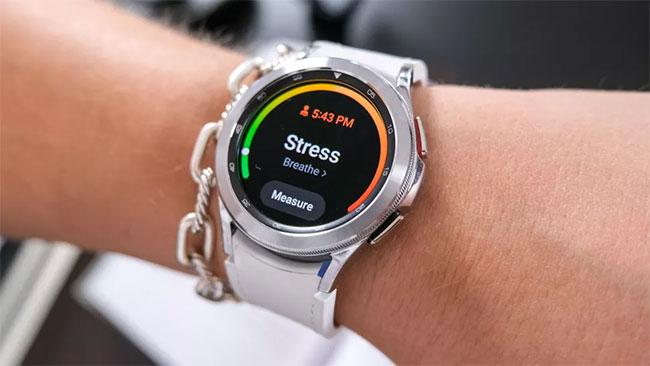
Samsung's Galaxy Watch comparison tool lists sizes, materials, connectivity, sensors, and battery specifications for current models.
Best rugged Android smartwatch: Galaxy Watch Ultra2
Galaxy Watch Ultra2 is the Android alternative for buyers who want a titanium outdoor watch, dedicated action controls, LTE options, and Samsung's health platform. It is a large watch, so try it on before buying. If you do not need the rugged case or extended modes, Watch8 will be more comfortable and less expensive. Samsung's Ultra2 product page has the current compatibility and durability details.
For context on the previous generation, see the key features of the original Galaxy Watch Ultra.
Best fitness-focused all-rounder: Garmin Venu 4
Venu 4 suits people who want serious activity tracking, multi-band GPS, health trends, and fewer charging interruptions without moving to Garmin's bulkier adventure lines. The 41 mm model is rated by Garmin for up to 10 days, while the 45 mm model is rated for up to 12 days; GPS and always-on display use shorten those figures.
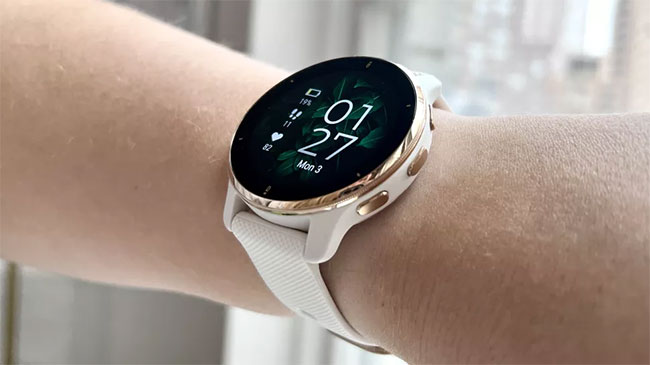
Garmin's Venu 4 specifications are useful for checking size, GPS, battery modes, and phone compatibility. Choose an Apple or Wear OS watch instead if third-party apps and phone-like messaging are more important than training and battery life.
Best Wear OS battery balance: OnePlus Watch 3
OnePlus Watch 3 combines Google Play apps and Google Wallet with a dual-engine design intended to extend runtime. OnePlus claims up to five days in Smart Mode for the larger model, but the smaller 43 mm version has a lower claim. Confirm phone compatibility and whether all health functions are available locally on the official specifications page.
Best long-battery value: Amazfit Balance 2
Balance 2 is worth considering when you want GPS, many sport modes, and infrequent charging without paying for a flagship phone ecosystem. Amazfit claims up to 21 days under typical use and up to 10 days under heavy use. Its app selection and reply features are not as extensive as Wear OS or watchOS, so prioritize it for fitness and battery rather than phone replacement.
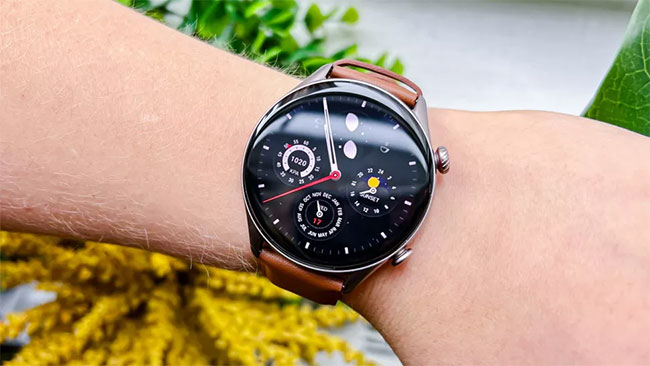
See the Balance 2 product specifications for its current battery test conditions, GPS modes, and supported phone software.
What about Fitbit Sense, Versa, and older watches?
Fitbit Sense and Versa 3 were important fitness-oriented smartwatches, but they are legacy choices beside current Pixel Watch and Fitbit trackers. The same caution applies to Galaxy Watch Active2 and Apple Watch Series 3: old batteries, limited updates, missing apps, and discontinued services can make a cheap used watch poor value.
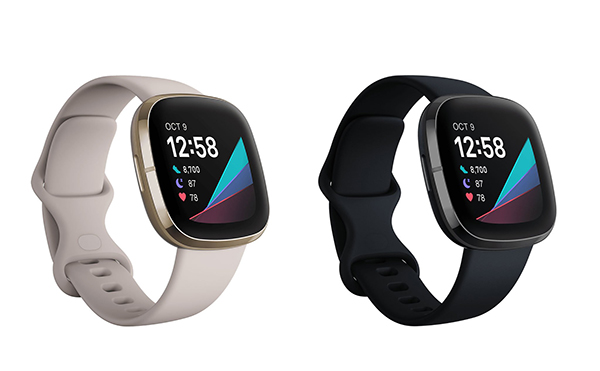
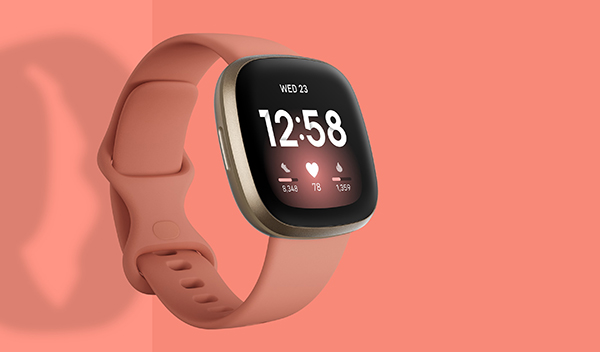
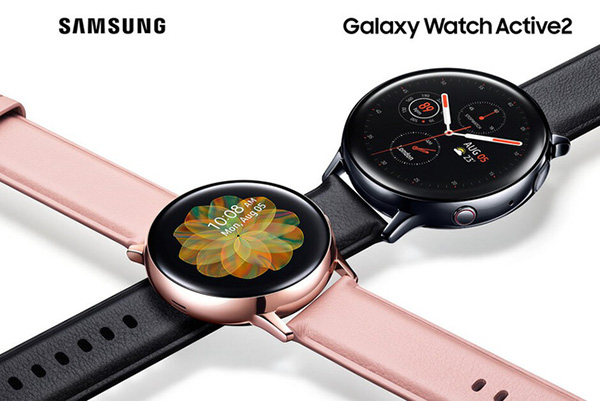
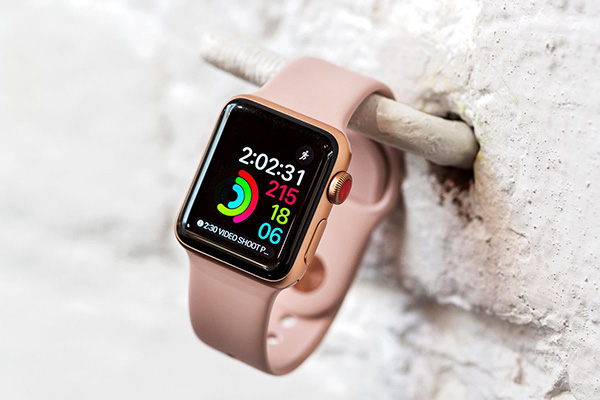
Before buying any discontinued model, verify current companion-app support, security updates, battery replacement options, payment services, and whether the watch can pair with your present phone.
How to choose the right smartwatch
- Start with phone compatibility. Apple Watch requires an iPhone. Wear OS watches are designed for Android. Garmin and Amazfit support broader combinations, but individual features differ.
- Decide how often you will charge. A watch that lasts one or two days may be fine with a nightly routine; continuous sleep and travel tracking benefit from longer runtime.
- Try the case size. A large screen is easier to read, but a thick watch can interfere with sleep tracking and sleeves.
- List the features you will actually use. LTE, contactless payments, offline music, dual-band GPS, and diving support add cost and may require a phone plan or subscription.
- Check regional health availability. ECG, blood-pressure, sleep-apnea, and other regulated features vary by country and compatible phone. A smartwatch is not a substitute for medical diagnosis.
- Look beyond the purchase price. Include straps, cellular service, subscriptions, proprietary chargers, and eventual battery service.
Related Articles
 Can Smartwatches Be Hacked?8 minutes read
 What Makes Hybrid Smartwatches So Popular These Days?7 minutes read
 Do Fitness Trackers and Smartwatches Track Your Health Accurately?10 minutes read
 How Are Smartwatches 'Tracking' You: Explained5 minutes read
 6 Ways ChatGPT Can Revolutionize Smartwatches: Recommended Choices7 minutes read
 6 Reasons Smartwatches Can Be Harmful to Mental Health: Best Options Compared10 minutes read
Reader Comments 0
Sign in with email or Google to join the discussion.