Table of Contents
This guide organizes the entries in "Simple Ways to Protect Your Ears Before It's Too Late" and explains what each option, idea, or example offers. It also highlights practical details that matter when comparing the choices.
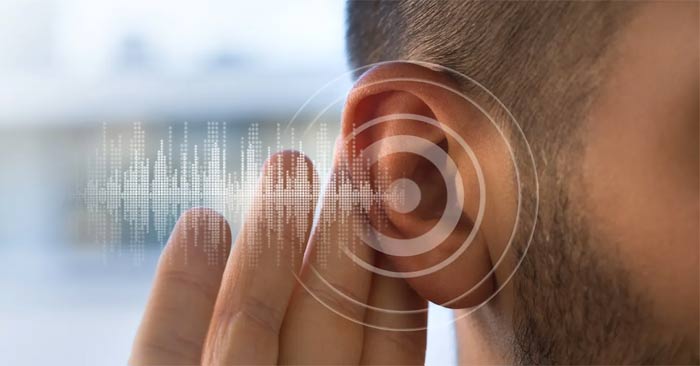
Experts say making small changes now can help protect your ears and hearing later in life. Here are some tips for better hearing as you age that you can implement today.
Limit exposure to loud noises
Whether it's a crowded concert, heavy traffic or the constant hum of power tools, repeated exposure to high noise levels is known to cause permanent damage to the delicate structures in the inner ear.
One of the most effective ways to protect your hearing as you age is to limit your exposure to these noisy environments.
Even small adjustments, like turning down the volume on your headphones or taking a quiet break during a noisy event, can make a big difference over time.
Protect your ears in noisy environments
Damage to the inner ear can occur long before it shows up on a hearing test, which means prevention is key.
When noisy situations cannot be avoided and you expect to be exposed to them for more than a few minutes, experts recommend wearing ear protection, such as foam earplugs or noise-canceling earmuffs.
Foam earplugs are an affordable, portable option; they reduce noise by 15 to 30 decibels, according to WebMD. Earmuffs, which cover the entire ear, provide similar protection and can be worn with earplugs for added protection. Some earplugs are designed to reduce sound evenly across all frequencies, making them ideal for musicians or anyone who wants a clearer but quieter sound.
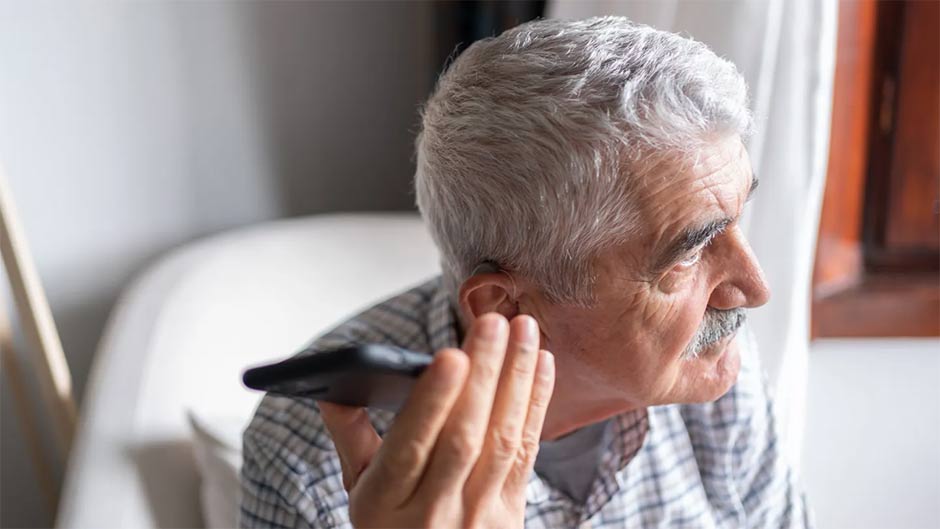
Get your hearing checked regularly
Just like dental cleanings or eye exams, regular hearing checks are an important part of maintaining overall health.
The World Health Organization (WHO) recommends that adults aged 50 to 64 have their hearing examined by a specialist every five years.
Hearing testing is especially important for people who have a family history of hearing loss, notice difficulty hearing conversations, are exposed to high levels of noise, often hear tinnitus, or have no history of previous testing.
Your healthcare provider will assess how well your hearing is functioning and check for any early signs of hearing loss.
Avoid smoking
Smoking doesn't just affect your lungs and heart — it can also damage your hearing. According to a study conducted by the NIH, current smokers are 61 percent more likely to have widespread hearing loss than nonsmokers.
The same study also found that ex-smokers who quit for more than five years had a risk of disease almost as low as people who had never smoked.

Be aware of age-related ear conditions
Although hearing loss is common with age, it is not the only hearing problem.
Conditions like tinnitus, which typically peaks between the ages of 60 and 69, can also develop, according to AARP (American Association of Retired Persons). Tinnitus causes persistent sounds like ringing, hissing, buzzing, or whistling in the ears.
Most cases involve sensorineural hearing loss, the type that usually occurs with age. While there is no cure, a variety of treatments can help reduce the impact of symptoms.
FAQ
What should you know about limit exposure to loud noises?
Whether it's a crowded concert, heavy traffic or the constant hum of power tools, repeated exposure to high noise levels is known to cause permanent damage to the delicate structures in the inner ear.
What should you know about protect your ears in noisy environments?
Damage to the inner ear can occur long before it shows up on a hearing test, which means prevention is key.
What should you know about get your hearing checked regularly?
Just like dental cleanings or eye exams, regular hearing checks are an important part of maintaining overall health.
What should you know about avoid smoking?
Smoking doesn't just affect your lungs and heart — it can also damage your hearing. According to a study conducted by the NIH, current smokers are 61 percent more likely to have widespread hearing loss than nonsmokers.
Related Articles
 How to Wear Headphones Correctly to Protect Your Ears7 minutes read
 Why Mosquitoes Are Always Buzzing Around Our Ears and Simple Ways3 minutes read
 Night Owls and the Risk of Stroke: Why Does Staying up Late Harm Your Heart?6 minutes read
 6 Things to Do to Avoid the Consequences of Staying up Late12 minutes read
 Common Causes of Late Deliveries (and How to Avoid Them)6 minutes read
 How to Drawing Details on Anime and Manga Characters4 minutes read
Reader Comments 0
Sign in with email or Google to join the discussion.