Table of Contents
A laptop cooling pad is optional. It may help airflow or raise the laptop to a more comfortable angle, but results depend on the laptop’s vents, cooling design, workload, and the pad. It will not repair a blocked fan, dried thermal interface, or failing component.
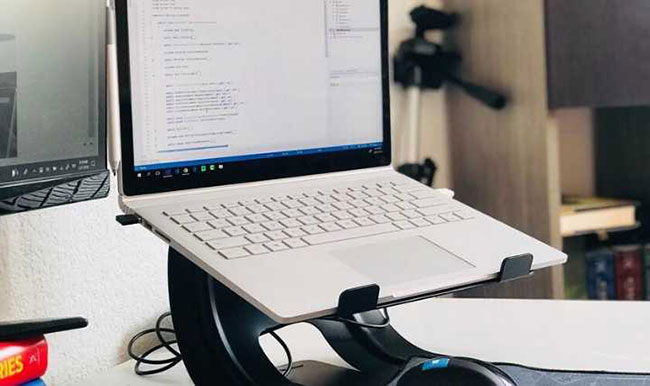
Check for overheating before buying
Place the laptop on a firm, flat surface and keep its vents clear. Check whether the fan is obstructed by dust and whether a particular app is using a lot of CPU or graphics resources. Shut down and seek service if the laptop repeatedly overheats, shuts off, or makes unusual fan noises. Do not open the case unless you are qualified to work on that model.
When a cooling pad may be useful
A pad with a fan can move air beneath a laptop if its intake vents are on the bottom. If the vents are elsewhere, a fan may make little difference. A passive stand can still raise the screen and improve desk posture. Do not expect a pad to guarantee higher CPU or GPU performance; any performance change depends on whether heat was limiting the laptop.
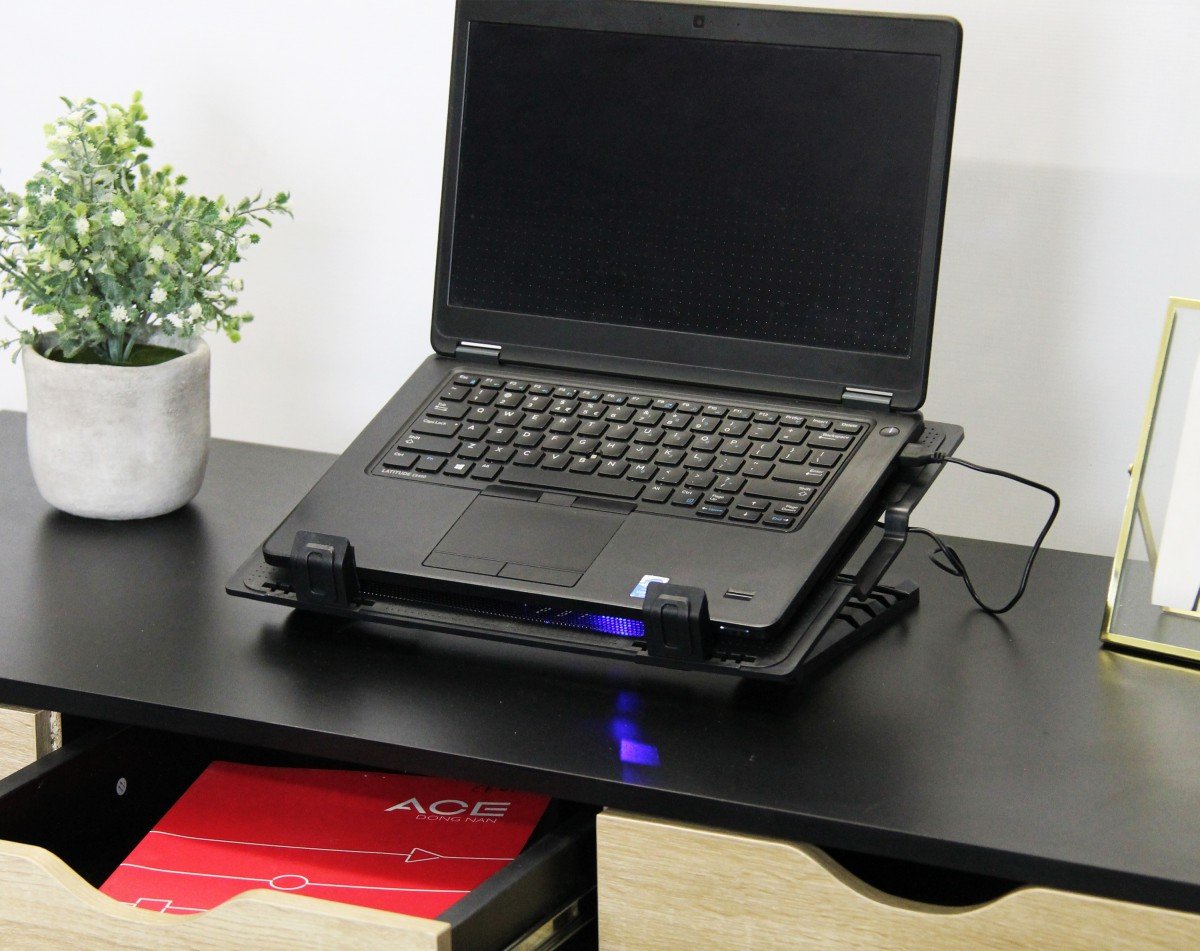
Choose and use a compatible pad
- Check that the pad fits the laptop and does not block its vents.
- Choose a stable stand at a comfortable height. Fan count or size alone does not establish cooling performance.
- If the pad draws power from USB, check its connector and power requirements and avoid straining the laptop’s port.
- Place it on a stable, flat surface and follow the pad maker’s instructions for its controls and cleaning.
If the computer remains hot or slows down after basic airflow checks, the cause may need diagnosis. A cooling pad is an accessory, not a substitute for cleaning or repairing the laptop’s own cooling system.
Related Articles
 Top 8 effective laptop and CPU cooling software
 How to fix the cooling fan phenomenon on the MacBook is loud
 Which cooling pad should I buy for my laptop? Which cooling pad is best?
 Are cooling pads effective? How to use a laptop cooling pad extremely quickly
 Basic instructions on how to properly remove and install a CPU cooling fan
 Why is the computer fan not spinning? How to fix it quickly?
Reader Comments 0
Sign in with email or Google to join the discussion.