Table of Contents
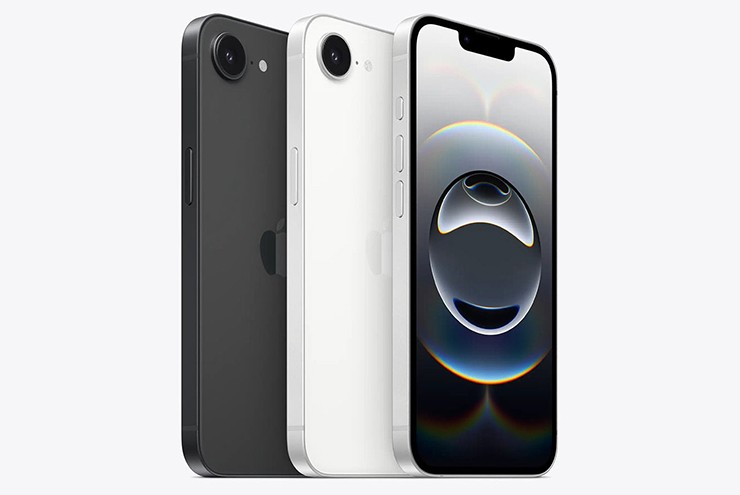
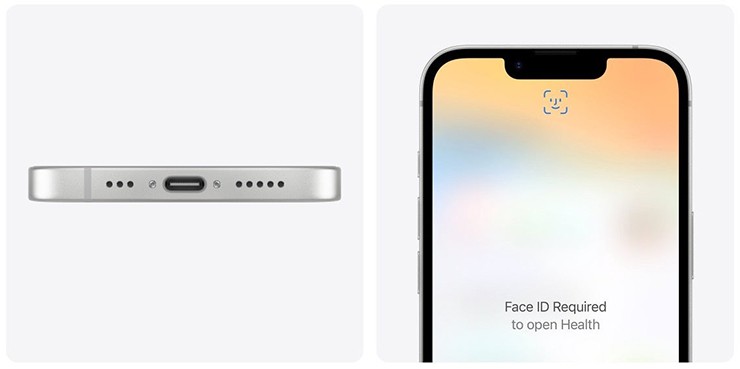
The iPhone 16e makes sense if you want a 6.1-inch OLED iPhone with USB-C and can get it for substantially less than an iPhone 16. Its strongest trade-offs are easy to check: one rear lens, no built-in MagSafe, and a display with a notch.

Check the screen and controls in person
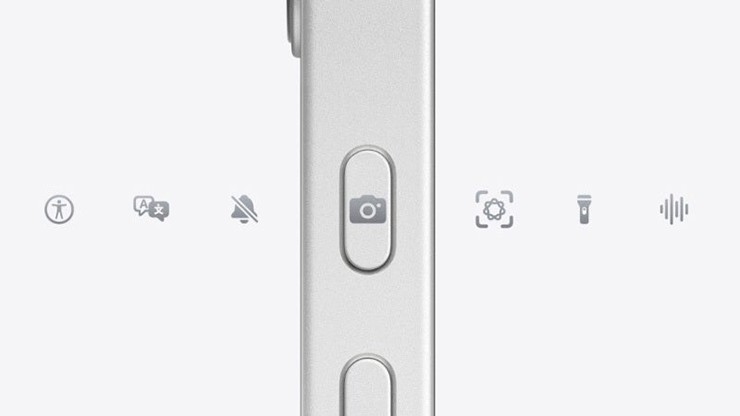
Coming from the 2022 iPhone SE, you get more screen space and switch from Touch ID to Face ID. Try one-handed use before buying if you liked the SE's smaller body. The programmable Action button can open the camera, but the 16e has no separate Camera Control button.
Match the camera to the photos you take
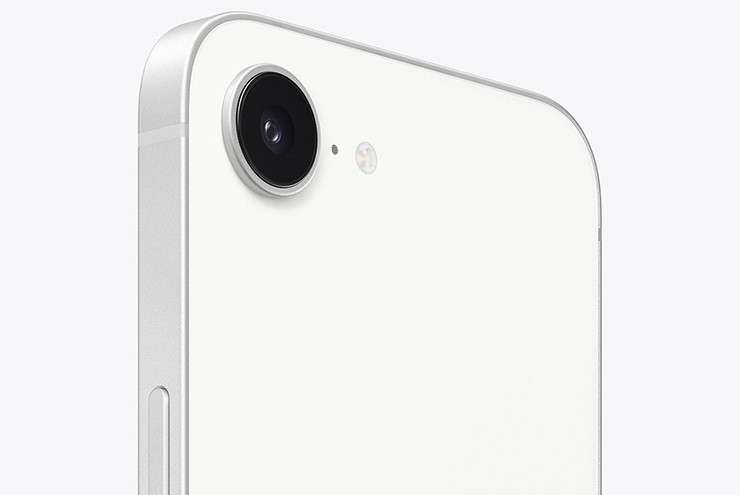
The 48 MP rear camera supports 1× and a 2× crop, and Apple lists 4K video recording. If you frequently photograph groups in small rooms, the missing 0.5× camera is more important than the megapixel count. See the 16e camera and zoom guide for examples of when each view helps.
Choose storage and verify the software
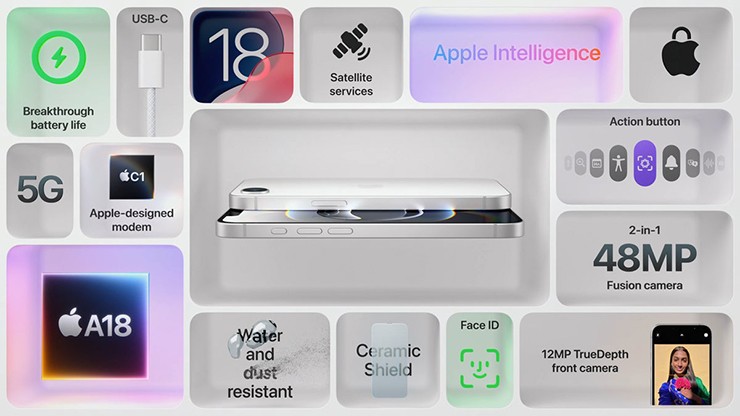
Apple lists 128 GB, 256 GB, and 512 GB configurations. Check your current phone's used storage, then allow room for video and offline content. The A18 supports Apple Intelligence, but individual features depend on software, language, and region. Verify whichever feature matters to you before replacing a working phone.
Check charging and buying condition
Apple rates the battery for up to 26 hours of video playback under its test conditions. That rating describes a test, and a used phone's battery may have aged. Check Battery Health, confirm the phone can be activated, and read the seller's return policy. Qi charging is supported, but built-in MagSafe is absent.
| What matters most | What to compare |
|---|---|
| Lower purchase price | Compare the same storage tier and condition, including any battery replacement cost. |
| Ultrawide camera or magnetic accessories | Compare the standard iPhone 16 before accepting the trade-off. |
| Apple Intelligence | Check feature availability alongside Apple's model specifications. |




Reader Comments 0
Sign in with email or Google to join the discussion.