Table of Contents
This guide provides a practical overview of New Research Shows That North America's 'Cousin' of Velociraptor Originated, including its main features, benefits, limitations, and important considerations.
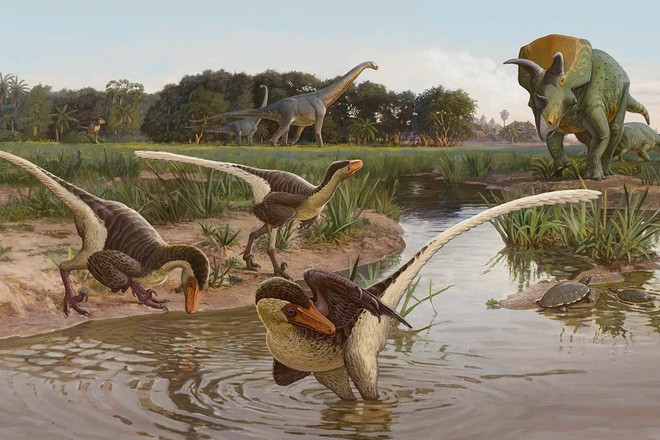
The San Juan basin in the southwestern United States stretches across Colorado and New Mexico, and was formed during the Cramaceous Era, so that the San Juan basin preserves a lot of the sediments of the San Juan. This period, including the geological formation of Ojo Alamo Formation.
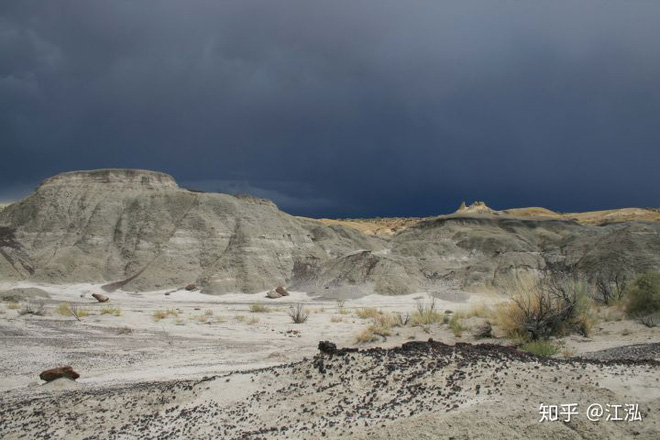
San Juan basin.
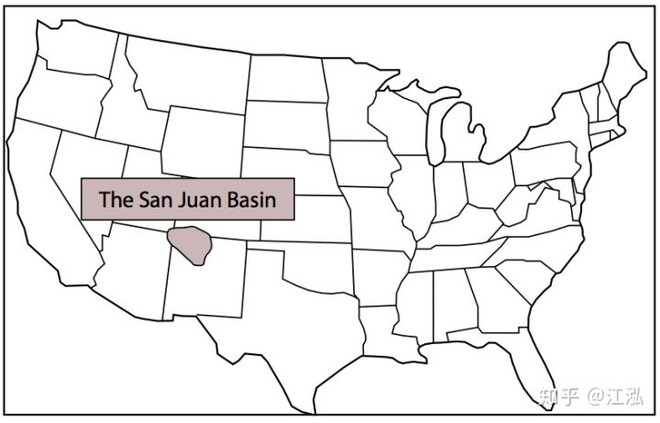
Location of the San Juan basin in the United States.
Large numbers of paleontological fossils are preserved in this formation, especially in the New Mexico region. In 2008, paleontologist Robert M. Sullivan and his colleagues discovered a number of dinosaur fossils scattered in the formation of the Ojo Alamo Formation geological layer, and in 2009 they continued to advance. Carry out further excavations in this area.
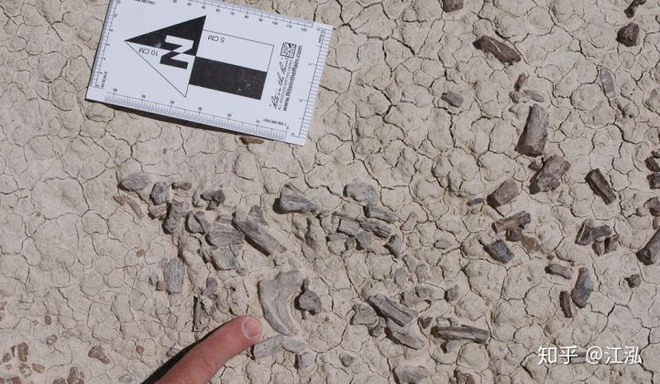
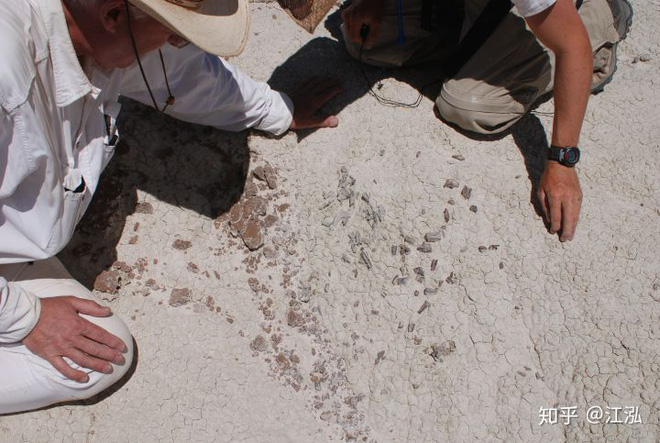
Dinosaur fossils are found in the San Juan basin.
In 2011, fossils discovered at the Ojo Alamo Formation Formation were first described in scientific literature for the first time, and in 2015 and 2016, the area continued to be excavated and discovered by scientists. make many new discoveries.
In 2020, archaeologists published a study on dinosaur biodiversity at the end of the Cretaceous period in the New Mexico area in Scientific Reports and mentioned a new species of dinosaur. Dineobellator name.
In fact, Dineobellator is a compound word with "Diné" in the Native American language of the Navajo and "bellator" means "warrior" in Latin. The dinosaur's full name is Dineobellator notohesperus with "notohesperus" derived from Latin, meaning "southwest" because the San Juan basin where fossils are found is southwest of the United States.
Dineobellator belongs to Dromaeosaurus family, together with other famous dinosaurs such as Velociraptor, Deinonychus, Utahraptor. From the fossil samples discovered, this new dinosaur has a body length of more than 3 meters and is not high yet. to a meter and weighs only 18 - 22kg.
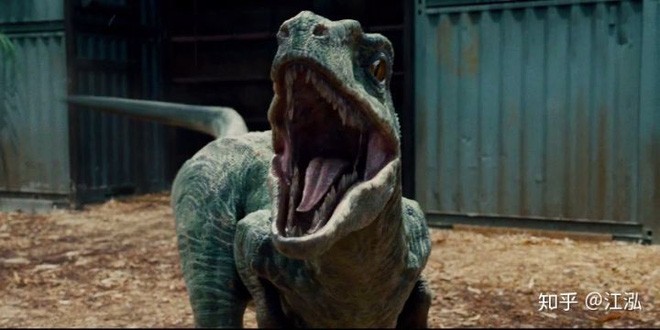
The Blue in Jurassic World is actually the Raptor dinosaur.
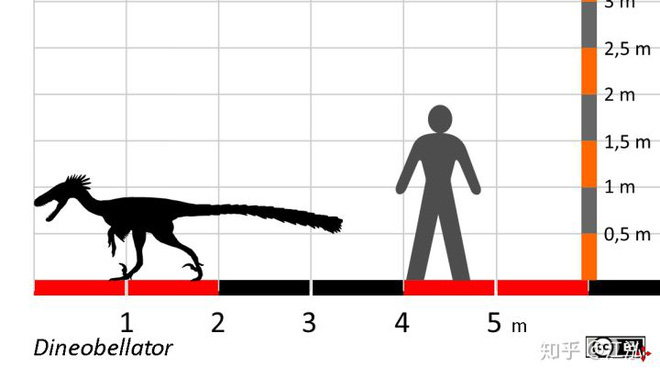
Compare the size of Dineobellato with the size of humans.
Dineobellator has a large head with big eyes on the sides of the head. Dineobellator Raptors possess two sharp rows of teeth in their mouths with extremely strong bite force, which is also considered their main hunting weapon.
In addition, Dineobellator also possesses a relatively flexible long neck with a very strong long tail. Their forelegs have three fingers, allowing them to flexibly grip, and the hind legs are very long and strong, allowing them to run at high speed to hunt for prey.
Like other Dromaeosaurus species, the Dineobellator also possesses an abnormally high toe, which is mainly used for hunting.
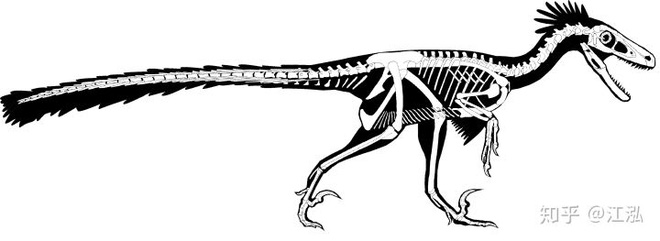
Although the fossils were found to be very limited, there was still enough evidence that there were hair tumors on the scapula - evidence of the appearance of feathers, and it also proved that Dromaeosaurus had feathers and looked Just like the big birds can run fast.
The formation of the Ojo Alamo Formation, where Dromaeosaurus was discovered stretched from the Cretaceous to the Paleogene period (69 million to 64 million years ago), while through carbon dating analysis, the ancient houses Biologists discovered that Dromaeosaurus lived 67 million years ago.
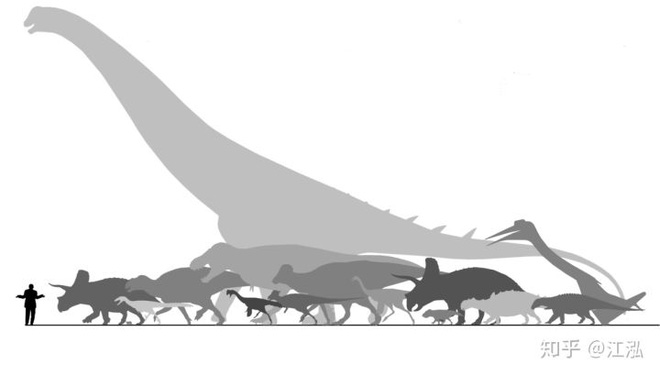
In addition to Dromaeosaurus, a large number of other dinosaurs were found during the Ojo Alamo Formation formation, including Ojoraptorsaurus, Glyptodontopelta, Ojoceratops, Torosaurus, Alamosaurus.
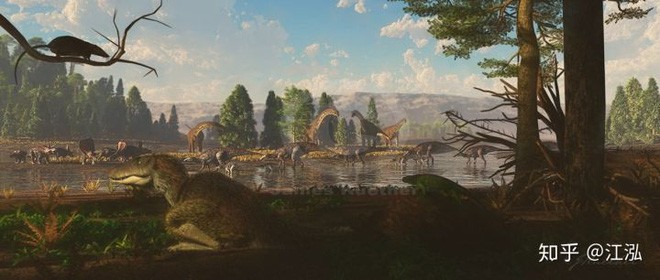
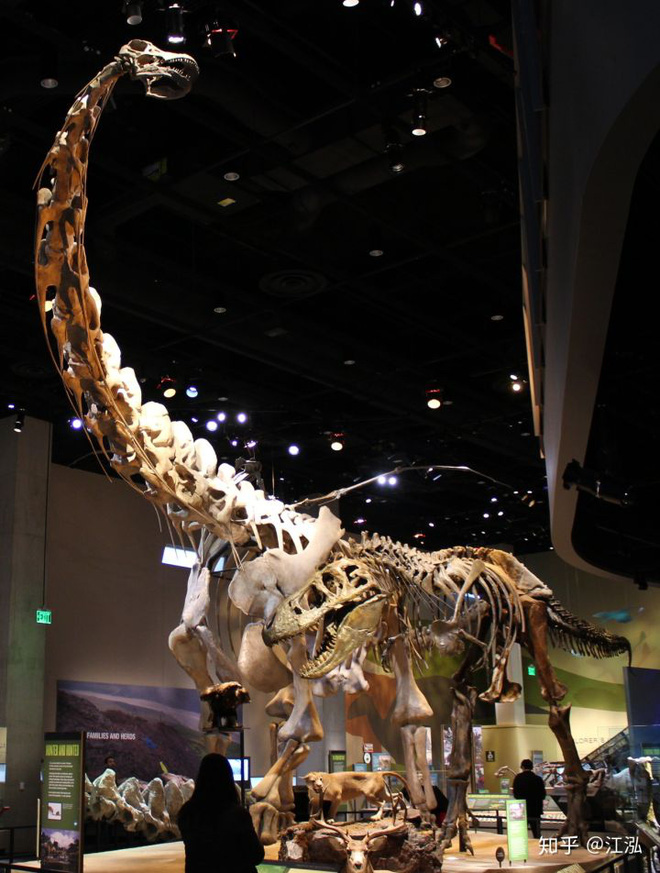
According to the current fossil findings, it was possible to recreate the terrestrial ecosystem at the end of the Cretaceous, showing that the environment at that time was a warm and humid tropics. Dromaeosaurus is a small predator in the food chain and is actually considered a "cold-blooded assassin".
According to phylogenetic analysis, paleontologists believe that Dromaeosaurus belongs to the subspecies Velociraptor and the main members of this subfamily are from Asia, which means that the ancestor of Dromaeosaurus came to North America from The "continental bridge" from Asia is similar to other species in the subspecies.
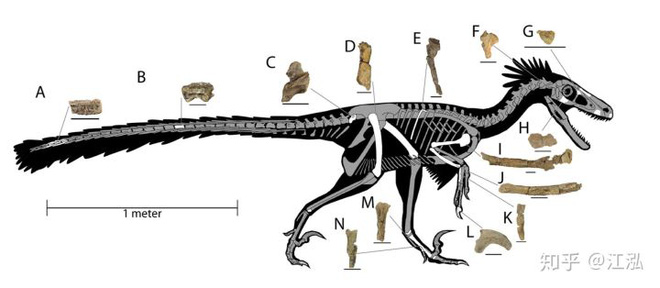
The new species, named Dineobellator notohesperus, was one of the last predators to roam the Earth before the dinosaurs went extinct. Like its infamous relative Velociraptor, this is a fast-running dinosaur, belonging to the bird-like animal group of dinosaurs.
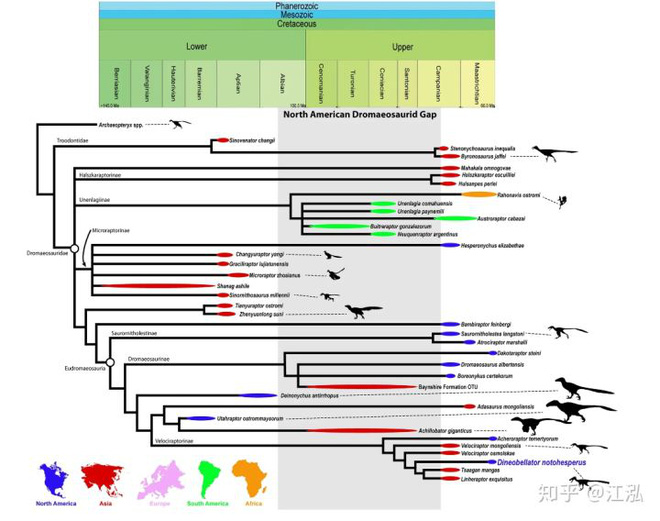
As a newly discovered species, Dromaeosaurus also exhibits many unique characteristics, including the bend of the vertebrae at the base of the tail. This structure can increase the flexibility of movement and facilitate the hunt for small prey. Dromaeosaurus not only enriched the discovery of new species in this dinosaur genus, but also demonstrated that the dinosaur's distinct evolution continued to develop before the great dinosaur extinction event took place.
FAQ
What should I know about New Research Shows That North America's 'Cousin' of Velociraptor Originated?
Focus on the key features, requirements, limitations, and practical use cases explained in this guide.
How do I get the best results with New Research Shows That North America's 'Cousin' of Velociraptor Originated?
Follow the recommended steps, use current software or information, confirm compatibility, and review settings before major changes.
Are there any risks or limitations?
Potential limitations depend on compatibility, data quality, cost, privacy, support, and how the product or method is used.
Related Articles
 How to Eat Daylilies: Step-by-Step Guide7 minutes read
 Does the North Star Ever Move Across the Sky?6 minutes read
 Microsoft Developed the Technology to Feel User Mood3 minutes read
 Bad North, Download Bad North, a Great Strategy Game About3 minutes read
 Direct View Link U23 Vietnam - Thailand U237 minutes read
 Why Is North Always at the Top on Maps?4 minutes read
Reader Comments 0
Sign in with email or Google to join the discussion.