Table of Contents
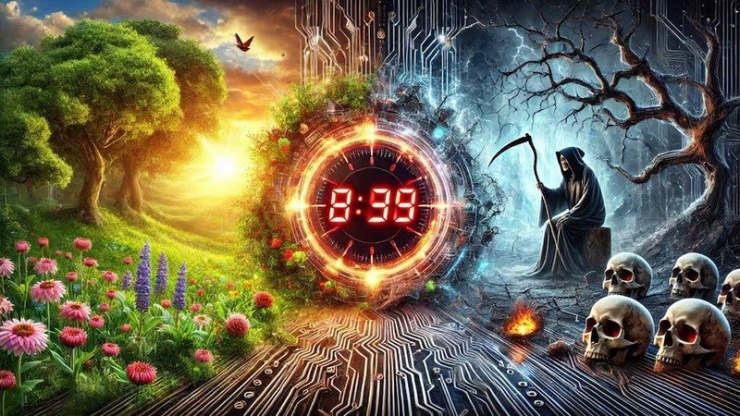
A Death Clock app can display a life expectancy estimate, but it cannot reliably predict an individual’s date or cause of death. A countdown displayed to the second reflects the interface’s precision. It does not show that the underlying estimate is that precise.

What a life expectancy estimate measures
A life table estimates average remaining years for people at a given age using population mortality rates. The U.S. Social Security Administration’s period life table is an example. A questionnaire can adjust an estimate using the answers it collects, but people who give similar answers can have very different outcomes.
What the app asks and displays
Tools using the Death Clock name can ask about age, weight, and habits such as smoking, drinking, or exercise. A result may show a countdown or a comparison with a population average. Changing an answer shows how the model responds. It does not tell you exactly how changing that habit would affect your lifespan.


Before entering personal information
Check who runs the specific app or website, whether answers are linked to your account, and how the provider stores or shares them. If you want a general population estimate, a published life table does not require you to submit a health questionnaire.
Additional illustrations from the original article

Related Articles
 Predictable death through blood test, accuracy up to 83%
 Can people put themselves in a state of death to live longer?
 14 human sensations can be experienced in 10 seconds before dying
 Mysterious prophetic dreams about the death of celebrities
 The AI system can predict a stroke risk more accurately than a doctor
 Nostradamus and 10 prophecies about world destiny in 2017
Reader Comments 0
Sign in with email or Google to join the discussion.