Table of Contents
This article provides a clear overview of Close-up of the Refrigerator Manufacturing Process, with the main facts, useful context, and practical details organized for easy reading.
For more details on the refrigerator production process, please watch in the 2 videos below.
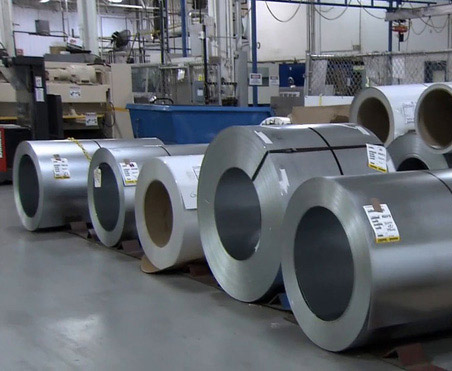
The production of refrigerators starts with 'giant' steel coils, as shown in the picture below. They are used to make exterior, back and side fridges. Each steel coil can create 100 refrigerators.
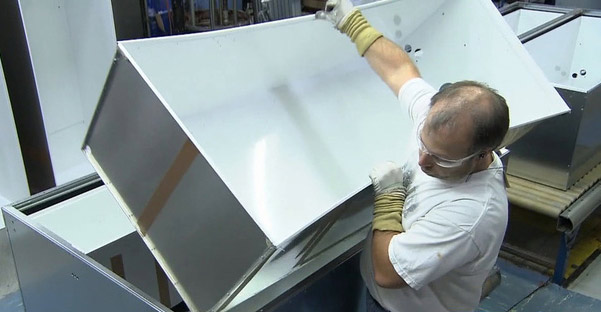
After creating the outer shell of the refrigerator, people began the process of creating the inner compartment. The inner compartment of the refrigerator is made of anti-rust aluminum material and lined with acrylic.
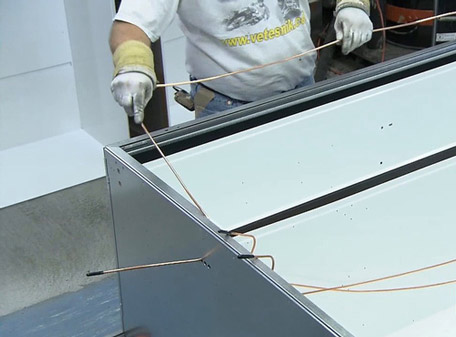
Along the outer edge of the refrigerator door are fitted copper pipes that contain heated gas to prevent moisture buildup.
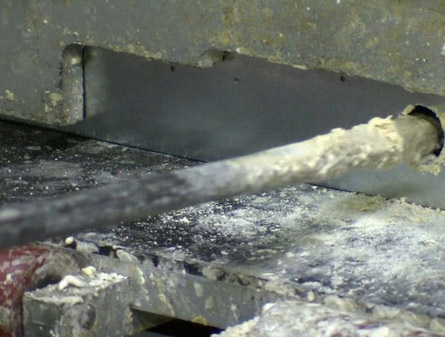
The space between the outer shell and the inner compartments of the refrigerator is filled with foam to keep the structure of the refrigerator solid and insulate the refrigerator.
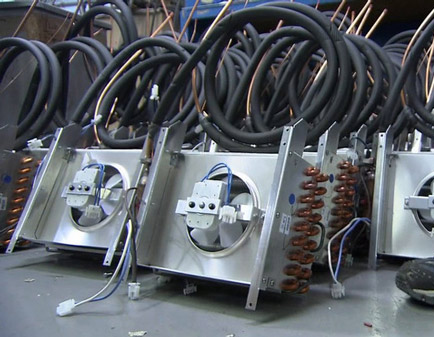
Evaporators are responsible for drawing heat out of the fridge to help keep food in the refrigerator.
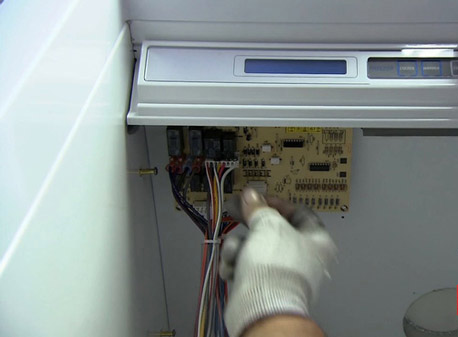
The control panel is an electronic center of the refrigerator that is connected to a maze of wires and a microprocessor.
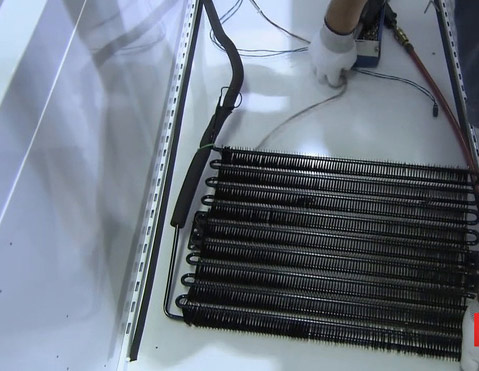
Next, the evaporator assembly will be installed on the cabinet wall.
Then was the fridge door.

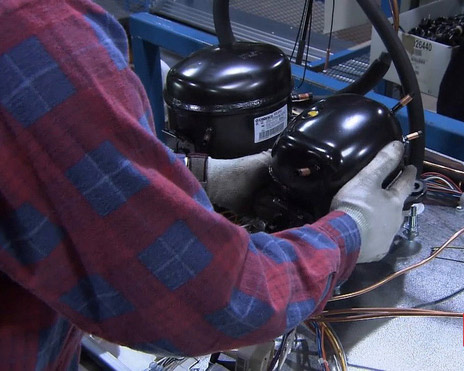
Two compressors are used to pump air through the various tubes inside the refrigerator.
Radiators help to dissipate the heat gained from food.
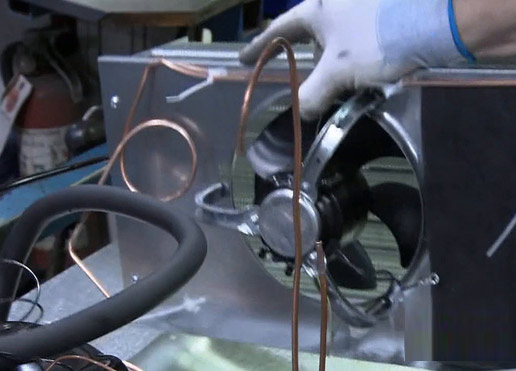
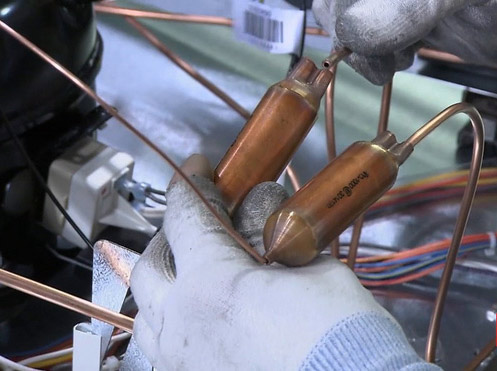
The next stage is to attach the adjustment valves, weld the copper pipe into the compressor and fill the refrigerant.
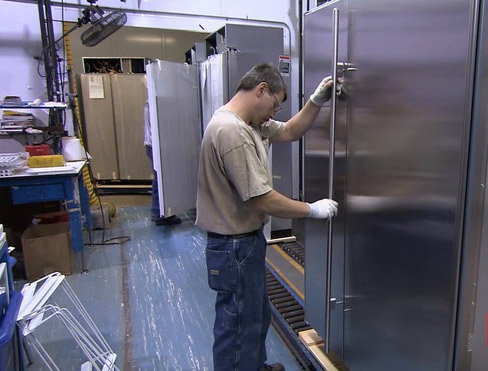
The final stage is to attach the handle to the front of the refrigerator door, to put fruit, vegetable compartments and compartments into the cabinet, the manufacturer's logo.
FAQ
What is the main focus of Close-up of the Refrigerator Manufacturing Process?
The article explains the most important facts, context, and practical details related to Close-up of the Refrigerator Manufacturing Process.
Who may find this information useful?
It is useful for readers who want a clear overview, practical context, and a better understanding of the subject.
What should readers verify before taking action?
Check current product versions, official requirements, regional availability, and any details that may have changed since the original publication.
Related Articles
 Cause and Remedy When the Refrigerator Is Sweating, Condensing Steam6 minutes read
 How to Clean the Refrigerator Properly?7 minutes read
 Why Does the Refrigerator Lose Heat and Is Not Cold Enough?9 minutes read
![[Experience] Which Refrigerator Is the Best and the Most Durable](/data/thumbs_200x120/[experience]-which-refrigerator-is-the-best-and-the-most-durable-one_thumbs_200x120_EjJT2CgWm.png) [Experience] Which Refrigerator Is the Best and the Most Durable11 minutes read
[Experience] Which Refrigerator Is the Best and the Most Durable11 minutes read Should the Refrigerator Be Unplugged in the Winter, When Traveling7 minutes read
 What to Do When the Refrigerator Vibrates and Screams Abnormally?9 minutes read
Reader Comments 0
Sign in with email or Google to join the discussion.