Table of Contents
Quick Overview
Onion : Get a clear, practical overview of Onion, including Interesting facts about onions you may not know.
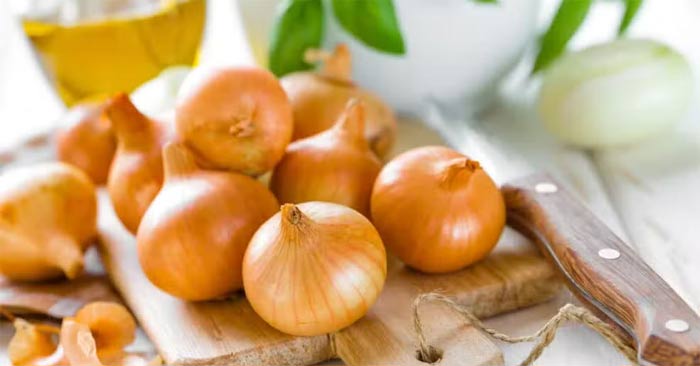
Interesting facts about onions you may not know
- The ancient Egyptians considered onions a symbol of eternal life. They even found traces of onions in the eye sockets of mummies like Ramses IV.
- Onions were widely used in ancient Rome, not only for cooking but also as medicine. Pliny the Elder of Pompeii wrote about how they could cure eye problems, toothaches, and even dog bites.
- Onions are often used in schools to teach students how to use a microscope. This is because onion cells are quite large and easy to see.
- The New Zealand Plant and Food Research Institute created genetically modified onions in 2008 that don't make you cry when you cut them. However, some people find these onions to have a less-than-intense taste.
- You should never feed your pet onions, no matter how eager they are to eat them. Onions can be toxic to cats, dogs, rabbits, and many other common pets.
- Onions should be stored separately in a mesh bag at room temperature. They absorb moisture from other vegetables they come into contact with, causing them to spoil more quickly.
- Onions have many health benefits. They are high in vitamin C, calcium, and iron. They are also a good source of fiber and antioxidants.
- Two 2019 studies in China and Puerto Rico found a link between onion consumption (the onion family includes garlic, chives, and scallions) and lower rates of various cancers.
- As onions grow, they absorb a lot of sulfur. This sulfur mixes with other compounds and becomes a gas. When onions are cut, this gas irritates the eyes and makes you cry.

- There are a few things you can do to stop your eyes from stinging when cutting onions: Use a fan to blow the gas away before it gets in your eyes, or chill them in the refrigerator or freezer to slow down the sulfur-enzyme reaction.
- Some onions can walk! Egyptian onions are one of these. Instead of flowering, they grow another bulb on a long stem that curves as the bulb gets larger before attaching itself to the soil to form a new clump.
- Onion skins have a long history of being used as a dye for clothing. Red onions produce light browns and pinks, while yellow onions produce a yellow-brown dye.
- Easter eggs were not always brightly painted. Many cultures dyed them with onion skins. In Greece, eggs were boiled with onion skins to give them a yellow color, while in England, the skins were tied around the eggs with yarn.
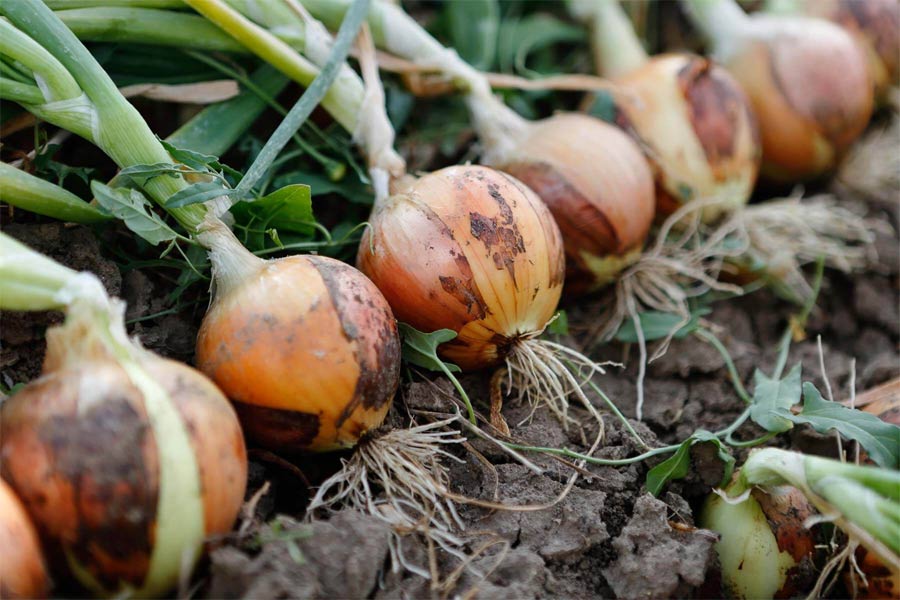
- Growing garlic along with other crops is a natural pest repellant because they release odors that insects hate, forcing them to leave your farm.
- Due to their pungent smell, onions can cause bad breath. To combat this, you can drink milk or green tea and chew herbs like mint or parsley.
FAQ About Onion
What is Onion?
This is because onion cells are quite large and easy to see
Why is Onion important?
Understanding Onion helps you evaluate its benefits, limitations, and potential risks before making a decision.
How can you use or manage Onion effectively?
Onions should be stored separately in a mesh bag at room temperature
Related Articles
 Interesting Facts About the Sun That You May Not Know15 minutes read
 40 Interesting Facts You Didn't Know About the Sun13 minutes read
 What Does It Mean to Eat Onions? What Does It Mean?3 minutes read
 15 Interesting Facts About DRAGON Phenomenon You May Not Know3 minutes read
 11 Interesting and Quirky Historical Facts That Make4 minutes read
 12 Interesting Facts About Food That Everyone Should Know7 minutes read
Reader Comments 0
Sign in with email or Google to join the discussion.