Table of Contents
This practical guide explains how to set up a rust environment on linux with clear steps and useful context. It also covers common requirements, potential problems, and the details that can help you get better results.

According to Stack Overflow's Developer Survey 2022, Rust has become the most popular programming language for the past 7 years. It is secure, efficient and flexible to handle applications of all levels of complexity, from system programming to chatbots and more.
If you haven't had a chance to start developing in Rust yet, you should start by setting up a Rust development environment on Linux.
Rust Installation Required on Linux
Before installing Rust, you need to install a dependency: the build-essential package. Why? Because Rust needs a link to link all the object files produced by the Rust compiler into an executable binary. The build-essential package contains a linker that will get the job done.
Here is the command to install the build-essential package on Linux:
sudo apt update && sudo apt install build-essentialFor Arch Linux, run:
sudo pacman -S base-develOnce you've finished installing this package, move on to installing Rust.
Install Rust on Linux

Rust is super easy to install and set up. All you need to do is run a single script. It will install and set everything up for you.
The best thing is that the official Rust developer has developed this script strictly, so you can't run suspicious software on the system.
Here is the command to install and run the rustup script:
curl --proto '=https' --tlsv1.2 -sSf https://sh.rustup.rs | shThis command will use curl to load the script and run it using sh. Enter 1 when prompted.
After a while, the script will complete the task and ask you to update the PATH variable to include the Cargo bin directory. You can do that with the source command:
source "$HOME/.cargo/env"Setting Up and Writing ''hello, World'' in Rust
Rust's build system, Cargo is a resourceful tool that helps you get up and running, organize, and test your code with a few lines of command. To set up a new Rust project, run this command:
cargo new 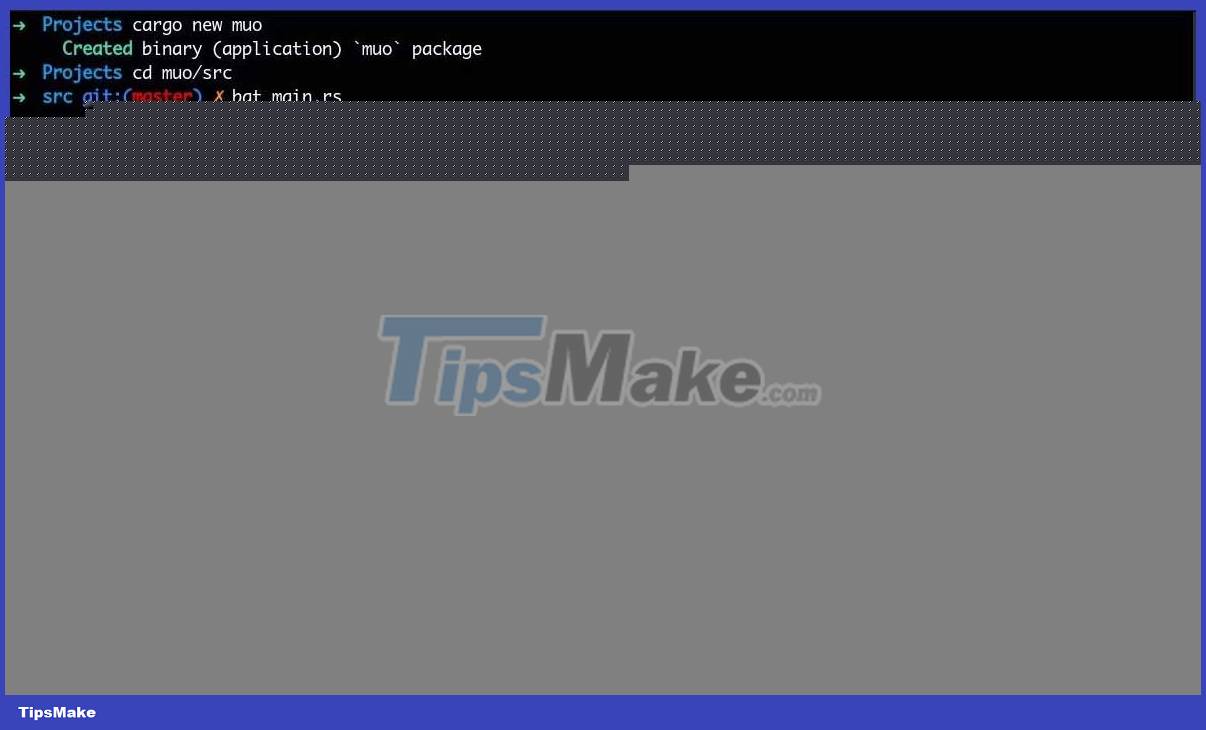
This command will set up a directory structure for the base project and add the main.rs file containing the code for the 'Hello, World' program inside //src . You can manually compile this code with compiler rustc or use Cargo to run it:
cargo run
Also, here's the syntax for using rustc to manually compile the code:
rustc main.rs ./a
Now that you have Rust installed and set up on your Linux system, you can focus on learning and developing all kinds of programs with Rust right away.
Conclusion
Understanding Rust makes it easier to compare options, avoid common mistakes, and apply the information in this guide more effectively. Review the relevant requirements before making changes or choosing a solution.
FAQ
How do you set up a rust environment on linux?
Follow the steps in this guide in order, confirm the required settings or tools, and verify the result before making additional changes.
Is it safe to set up a rust environment on linux?
It is generally safe when you follow the recommended instructions, use trusted tools, and avoid changing settings you do not understand.
What should you do if the process does not work?
Recheck the requirements, restart the device or application when appropriate, and review each step for missed settings or compatibility issues.
Related Articles
 The Newly Released System76 Rust-based Desktop COSMIC for Linux Is Fantastic7 minutes read
 What Is Unsafe Rust?6 minutes read
 How to Check the Desktop Environment You Are Using on Linux5 minutes read
 Ways to Handle Errors in Rust9 minutes read
 Things to Know About Fearless Concurrency in Rust8 minutes read
 Documenting a Rust Project with Mdbook6 minutes read
Reader Comments 0
Sign in with email or Google to join the discussion.