Table of Contents
To remove sweat stains, pretreat the affected area with a fabric-safe laundry detergent or stain remover, wash according to the care label, then check the stain before using a dryer. Older underarm stains may need a second treatment. Heat can make a remaining stain harder to remove.
White shirts, colored clothes and hats need different precautions. Check the garment and product labels before choosing a treatment; a method suitable for a cotton T-shirt may damage a delicate blouse or structured cap.
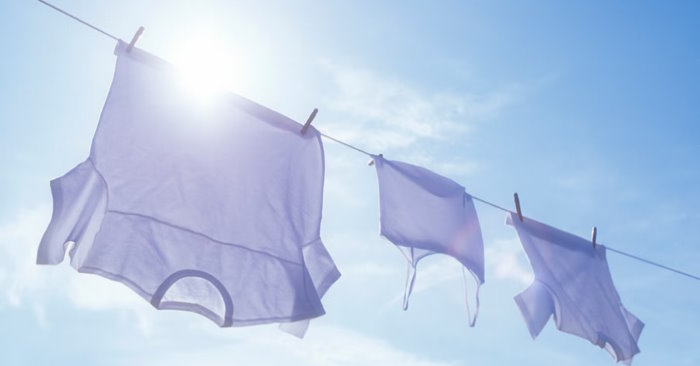
Check the fabric before treating it
- Follow the washing temperature, drying and bleaching instructions on the care label. If you use an iPhone, Visual Look Up can help explain laundry symbols.
- For dry-clean-only items, tell the cleaner where the sweat stains are rather than soaking the garment at home.
- Test a stain remover on an inconspicuous seam first. Stop if the color transfers or the fabric changes.
- Use an enzyme product only when its label says it is suitable for that fabric.
Remove sweat stains from colored clothes
- Turn the garment inside out and rinse the stained area with cool water.
- Apply a small amount of suitable liquid laundry detergent or prewash stain remover. Gently work it into the fabric without hard scrubbing.
- Leave it for the time stated on the product label. Do not assume every concentrated detergent should sit for an hour.
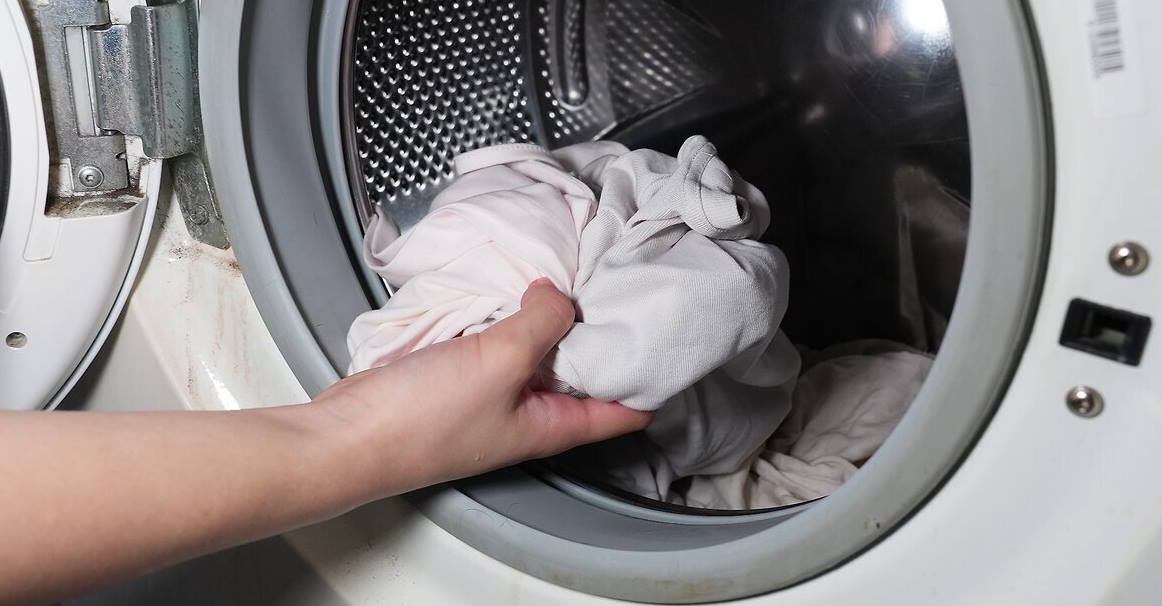
- Wash using the care label's recommended cycle and an allowed water temperature. Measure detergent for the load and machine type.
- Inspect the damp fabric. If the stain remains, repeat treatment before air drying or using a tumble dryer.
If pretreatment is not enough, try soaking in a compatible laundry product according to its dilution and timing instructions. The amount needed varies by product, so a fixed spoonful-per-basin recipe is not reliable.
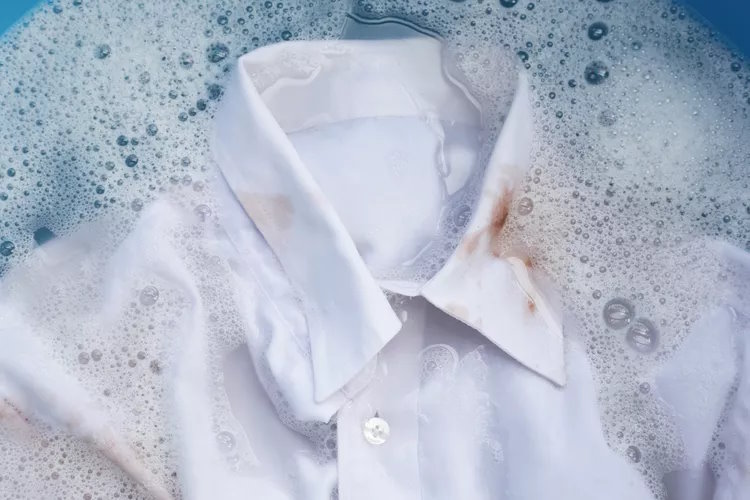
An oxygen-based stain remover may help if both the garment and product labels allow it. “Color-safe” does not mean safe for every fabric or dye. See precautions for using laundry bleach without ruining clothes.
Treat yellow stains on white shirts
Start with the same rinse, pretreat and wash process. White fabric is not automatically bleach-safe: its fibers, finish, prints or trim may limit which products you can use.
For persistent yellow underarm stains, choose a compatible oxygen-based laundry treatment rather than automatically adding chlorine bleach. Whirlpool's sweat-stain guidance notes that chlorine bleach can darken these stains.
If you use white vinegar as a separate pretreatment, test it first and rinse it out thoroughly. Never mix vinegar with chlorine bleach, or combine cleaning products into a homemade stain-removal mixture. Clorox's bleach-safety instructions warn that mixing bleach with acids or ammonia can release dangerous fumes.
Clean sweat stains on hats
Check the cap manufacturer's instructions before immersing it. Some caps are spot-clean only. For example, New Era recommends spot cleaning its caps rather than machine washing or full submersion.
Where permitted, fold the sweatband outward and gently clean it with a damp cloth and mild, fabric-safe detergent. Avoid saturating the brim. Remove detergent with a clean damp cloth, then reshape the hat and let it air dry naturally.
If the label permits hand washing, follow its water temperature and cleaning instructions. Do not wring the cap or put it in a dryer to speed up drying. Stop treatment if the fabric fades, and accept that long-established discoloration may not disappear completely.




Reader Comments 0
Sign in with email or Google to join the discussion.