Table of Contents
This updated guide examines How to Compile Python Script and organizes the essential facts, background, and practical takeaways in clear American English.
Method 1
Using CX_Freeze
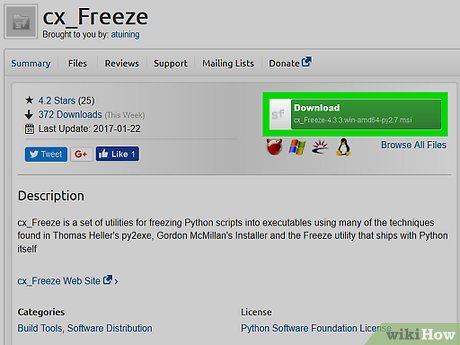 Download cx_Freeze from Sourceforge. It's a tool for packaging Python scripts into standalone executables.
 Make sure you are working on the platform you need your executable to run on. For example, if you want to create a Windows executable file, run cx_Freeze on Windows. Same goes for Mac and Linux.
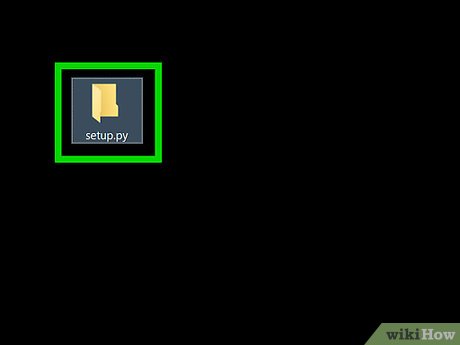 Create a new Python file named setup.py in the directory of the Python program you wish to compile.
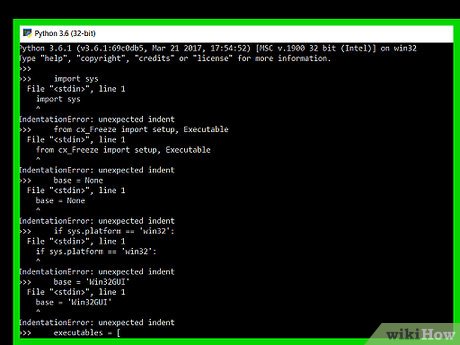 Enter the following code into your new setup.py file. (As always in Python, correct indentation is important, and unfortunately is not shown here due to formatting difficulties.):
importsysfromcx_Freezeimportsetup,Executablebase=Noneifsys.platform=='win32':base='Win32GUI'executables=[Executable(Pythonprogramname,base=base)]setup(name=executable_name,version='version',description='desc',executables=executables)
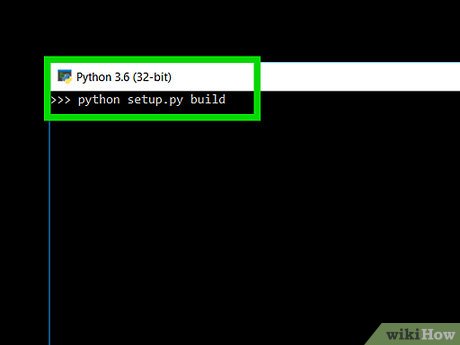 Run the following commands in your computer's terminal:
cd[path to your Python file's directory]python setup.py build
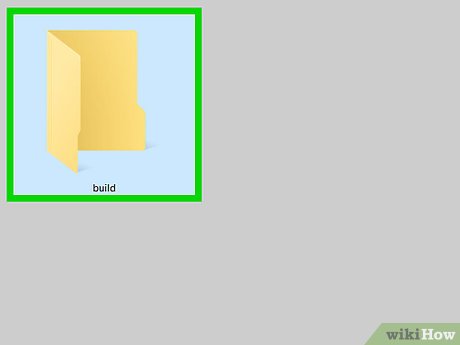 Look for a new folder called "build" in the Python program's directory. It should have been created during the previous step. Open that folder and the folder inside it.
- There's your executable! The other files in that directory are required to run your executable, so be sure to always keep them with the executable.
- The build can be customized in many ways. See cx-freeze.readthedocs.org for a description of all possible options.
Method 2
Using PyInstaller
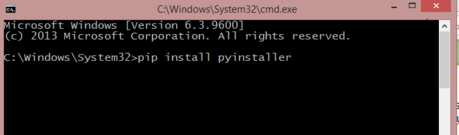 Open terminal or command prompt and execute the following code. This will install pyInstaller.
pip install pyinstaller
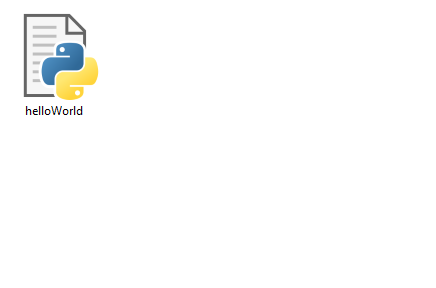 Open the directory where the python script is located. On Windows "Right Click" while holding "Shift" and select "open command window here". On linux "Right Click" and select "Open Terminal".
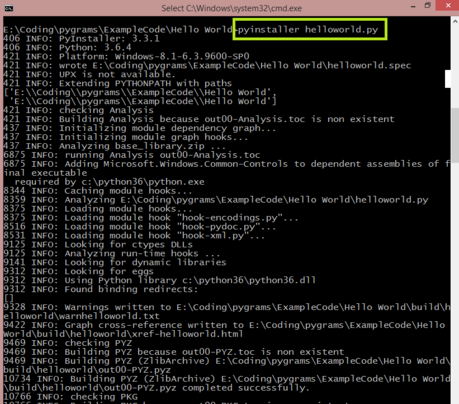 Type this command to compile your script. Wait for the command to finish.
pyInstaller script_name.py
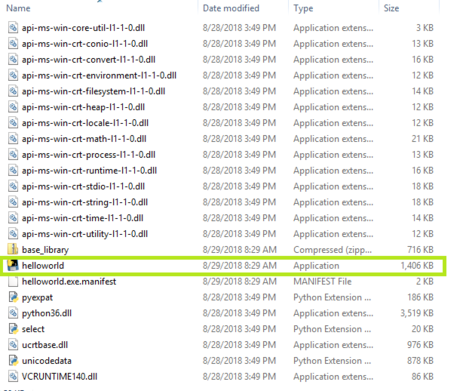
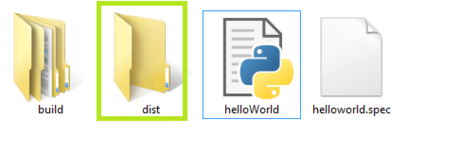 Move into the newly created "dist" directory. Your compiled project will be there.
FAQ
What is How to Compile Python Script about?
It provides a structured overview of python, explains the main context, and highlights practical takeaways for readers.
Why does this topic matter?
Understanding the main concepts helps readers evaluate the issue, avoid common mistakes, and make better-informed decisions.
How should readers use this information?
Use the guidance as a practical starting point, confirm details that may have changed, and follow current product, safety, or security recommendations.
Related Articles
 The Compile ()() Function in Python4 minutes read
 How to Run Python Scripts Using Docker6 minutes read
 TOP 6 Websites That Support Online Python Programming Compilation6 minutes read
 Protect Python Scripts Against Reverse Engineering with Pyarmor7 minutes read
 Python Online Editor: Explained3 minutes read
 How to Open a Python File6 minutes read
Reader Comments 0
Sign in with email or Google to join the discussion.