Table of Contents
This practical guide explains how to choose the correct shipping container with clear steps and useful context. It also covers common requirements, potential problems, and the details that can help you get better results.
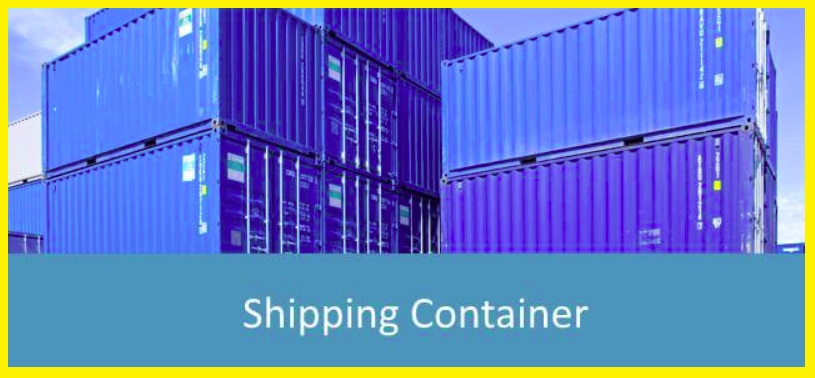
If you are not sure which kind of shipping container would suit you the best, here are different kinds of shipping containers and what purpose they serve.
- Dry Storage Container - These are the most popular shipping containers used. They come in different sizes and as the name suggests are best used to transport dry products. Doors are present on only one side of the container.
- Open Top Container - Open Top containers are used with the height of the cargo is more than the height of a standard dry storage container. It is loaded and unloaded using the top of the container. It has the same build as a dry storage container but the top is absent. Instead, the top is covered with a tarpaulin.
- Flat Rack Container - Flat Rack Containers are giant metal frames that are tightly bolted to the deck of the ship. Don't worry they are removable and offer extra stability to cargo. Flat Rack containers are extremely durable as they are made of heavy-duty aluminum alloy. Some containers come with doors while others don't. And you need to chain your cargo on this metal frame. They are best suited for transporting cargo which is either too heavy or does not fit in a standard shipping container.
- Open-Side Storage Container - As the name suggests, open-side containers have doors on the side. It means that once the doors are open the entire length of the container is accessible from both sides. With a large access area available it becomes easier to load and unload.
- Refrigerated Container - These are the best containers available for the transport of perishable goods. Refrigerated containers are well insulated to keep the insides of the container cool. They also come with a cooling system that constantly monitors and maintains a pre-decided temperature depending on the cargo.
- Tunnel Shipping Container - Instead of having one set of doors only on one end, Tunnel shipping containers have two sets of doors on opposite ends. It adds a huge advantage as having multiple entrances makes it easy to load stuff. Tunnel Shipping container is commonly used to transport precious items like cash, gems, and documents. This explains the reason for it to be equipped with a security system.
- Half-Height Container - They have the same features as a dry storage container but only have half the height. It is best suited for small cargo. It is commonly used to transport coal and stones.
- Car Carriers - Car carriers are special shipping containers designed to transport cars. They come with special features to ensure that cars are transported with minimal damage.
These are some of the most common types of shipping containers used. When picking out the type of shipping container you want your cargo, two important things you need to consider. First, you need to pick a container that suits your cargo's dimensions. Second, you need to pick a container that can withstand the weight of your cargo. If you go for a container that is not strong enough for your cargo, you might face some serious issues. Besides this, you need to inspect the shipping container in great detail. It includes everything- interior, exterior, walls, roof, and doors. Any sign of damage or rust can be a red flag. When checking the doors make sure that they have a wide range of motions and are not restricted. Also, check the locks properly before purchasing any shipping container.
Conclusion
Understanding Shipping Containers makes it easier to compare options, avoid common mistakes, and apply the information in this guide more effectively. Review the relevant requirements before making changes or choosing a solution.
FAQ
How do you choose the correct shipping container?
Follow the steps in this guide in order, confirm the required settings or tools, and verify the result before making additional changes.
Is it safe to choose the correct shipping container?
It is generally safe when you follow the recommended instructions, use trusted tools, and avoid changing settings you do not understand.
What should you do if the process does not work?
Recheck the requirements, restart the device or application when appropriate, and review each step for missed settings or compatibility issues.
Related Articles
 How to Use Container Queries in CSS9 minutes read
 What Is Container Linux? Should I Use It?17 minutes read
 How to Use Docker Container7 minutes read
 How to Ship a Bicycle Cheaply: Step-by-Step Guide11 minutes read
 How to Use WUD to Monitor Container Updates7 minutes read
 This Cargo Ship Could Turn CO₂ Emissions into Cement: Complete Guide5 minutes read
Reader Comments 0
Sign in with email or Google to join the discussion.