Table of Contents
Shampoo can clean hair and improve how it feels, but it cannot permanently reunite split ends or return a damaged strand to its original condition. Conditioning ingredients may smooth the surface and reduce friction. That cosmetic improvement is useful, but it is different from reversing all damage.

What “repair” on a shampoo label can mean
A product may make rough hair easier to comb, reduce the appearance of frizz, or help limit breakage during handling. Judge the claim by the result it promises rather than treating “repair” as proof of permanent restoration. Trimming removes split ends; a coating can only disguise them temporarily.
A higher price does not establish that a shampoo is a better match for your hair. Choose for your scalp, hair texture, and chemical treatments, and follow the product directions.
Shampoo and conditioner have different jobs
Shampoo removes oil and buildup. Conditioner helps with softness and detangling. Scrubbing the lengths harder will not repair them and can add unnecessary friction.
The American Academy of Dermatology recommends gently massaging shampoo into the scalp and using conditioner after shampooing. Let rinsing carry the shampoo through the lengths rather than rubbing them vigorously.
A cold rinse is not a repair treatment
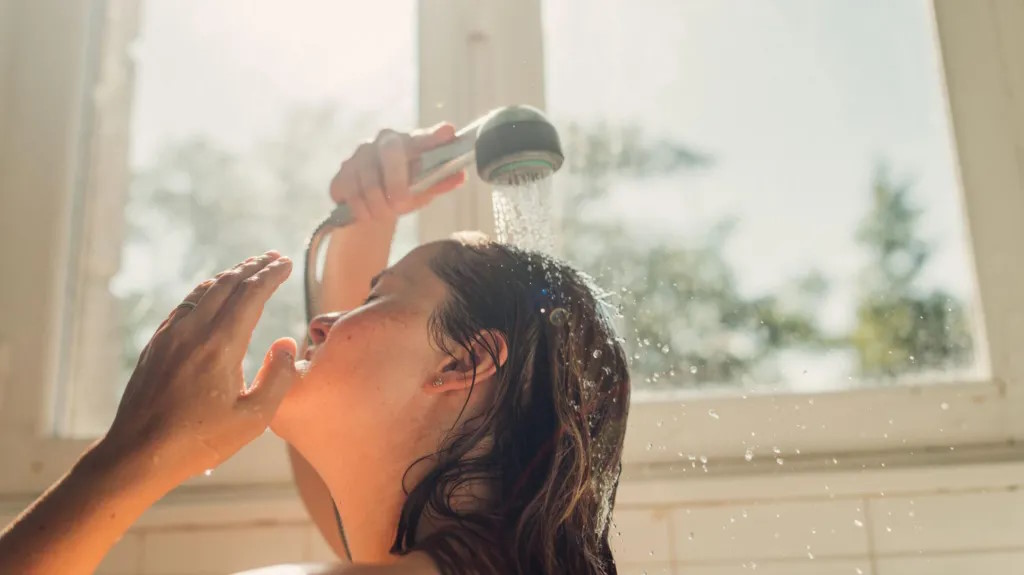
You do not need an icy shower to care for damaged hair. Use comfortably lukewarm water and avoid water hot enough to hurt or irritate your scalp. A change in water temperature cannot mend split ends.
Choose a wash schedule for your own scalp
Hair does not become self-cleaning when you stop washing it. However, everyone does not need the same schedule. An oily scalp and dry, tightly curled hair may need quite different routines.
Use oiliness, buildup, comfort, and your hair type as guides. The AAD's healthy-hair guidance explains how washing frequency and conditioner placement can vary. Avoid adopting an every-other-day rule simply because someone else uses it.
Dry shampoo does not replace washing

Dry shampoo absorbs oil and can make roots look fresher between washes. It does not remove buildup in the same way as shampoo and water. Follow its label, use only as much as needed, and continue regular washing.
If it leaves your scalp itchy, sore, or coated, stop using it and review your routine. Repeatedly layering it onto an uncomfortable scalp is not a solution.
Focus on preventing the next round of damage
- Reduce repeated bleaching, chemical processing, and excessive heat.
- Use a low or medium heat setting when styling and follow heat-protectant directions.
- Detangle gently instead of pulling through knots.
- Blot or wrap hair rather than rubbing it roughly with a towel.
- Trim split ends when needed; trimming the ends does not make the roots grow faster.
If breakage continues despite gentler care, or you notice persistent scalp symptoms, unusual shedding, or patches of hair loss, consult a dermatologist. A cleansing product cannot address every cause of a hair or scalp problem.






Reader Comments 0
Sign in with email or Google to join the discussion.