Table of Contents
Using one AI model to review another can catch omissions, contradictions, weak structure, and awkward prose. It does not make a draft true simply because two models agree. Language models can repeat the same plausible error, and a reviewer without reliable sources is still guessing.

The safest use of an “AI editor” is as a structured critic inside a documented workflow: sources establish the facts, software flags defined problems, and a responsible human decides what is publishable.
What AI-on-AI review can and cannot do
A second model is useful when it receives a specific task. It can compare a draft with a brief, identify unsupported claims, list questions for a subject-matter expert, find repeated passages, or test whether instructions are complete.
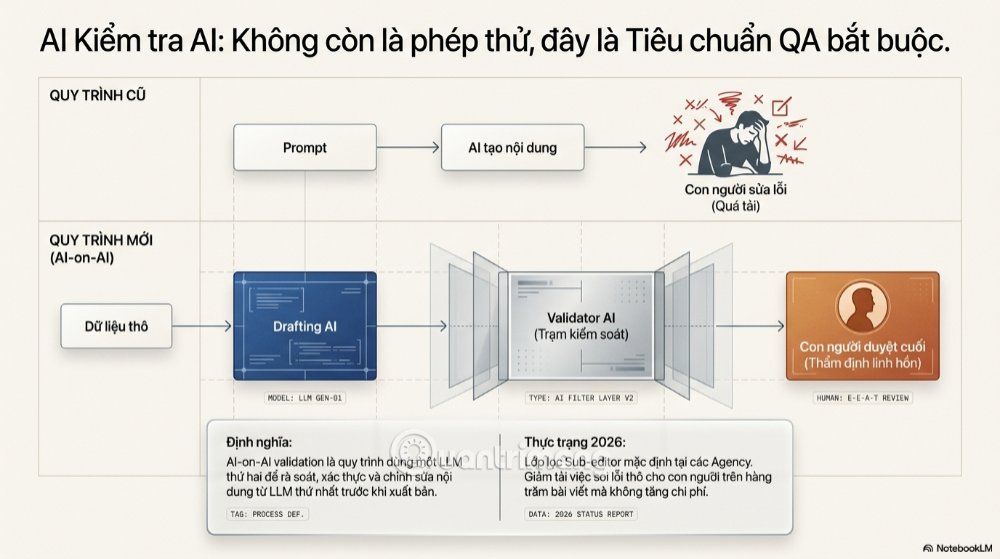
It cannot independently verify a statistic, quotation, product specification, law, or medical claim unless it checks an authoritative source that actually supports the statement. A confident answer from a different model is not a source.
| Review task | AI is useful for | What still requires evidence or judgment |
|---|---|---|
| Fact review | Extracting claims and finding statements that need citations | Confirming each claim against an authoritative source |
| Structure | Finding missing steps, weak headings, and repetition | Deciding what the intended reader truly needs |
| Style | Shortening sentences and enforcing a style guide | Protecting voice, nuance, and original experience |
| SEO | Checking title clarity, topic coverage, and internal consistency | Providing original value and satisfying search intent |
| Risk | Flagging possible legal, safety, privacy, or bias issues | Expert review and publication accountability |
Why a first draft needs scrutiny
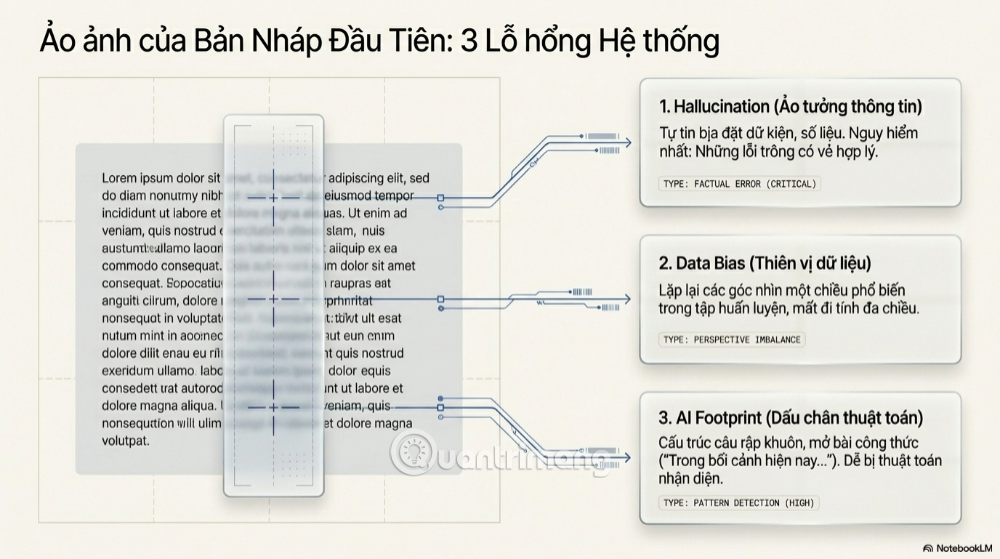
Fabricated or unsupported details
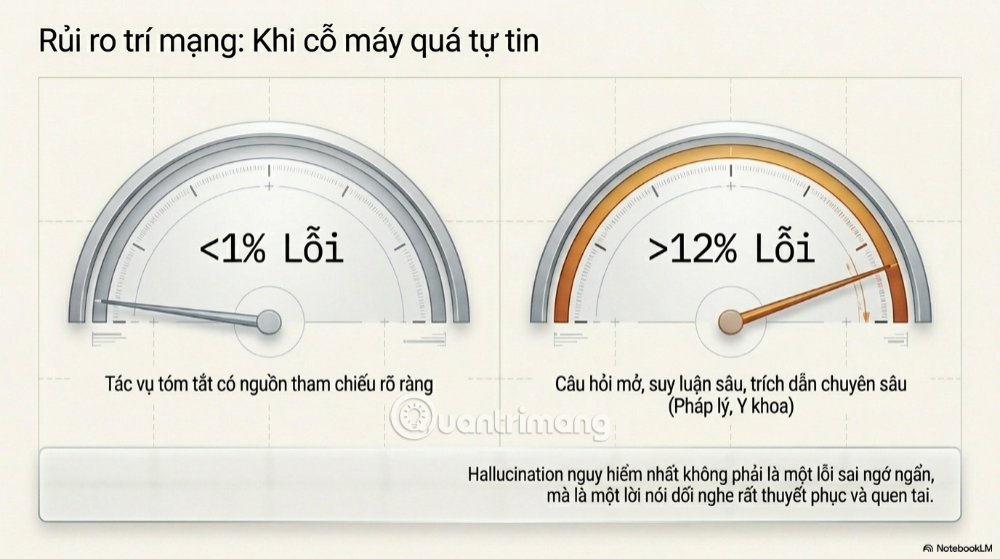
A model may invent a source, misstate a date, combine details from different products, or turn a tentative claim into a fact. Plausibility is the danger: the sentence may read naturally enough that an editor does not notice it.
Outdated information
Prices, feature availability, regulations, software interfaces, executives, and service limits can change. Both the writer and reviewer may rely on stale knowledge unless the workflow explicitly requires current, dated sources.
Generic structure and repetition
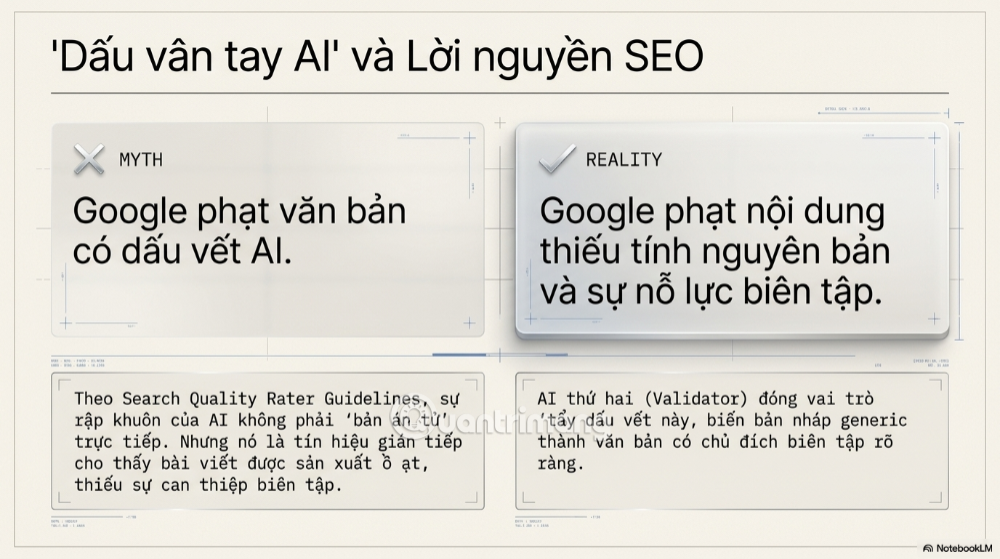
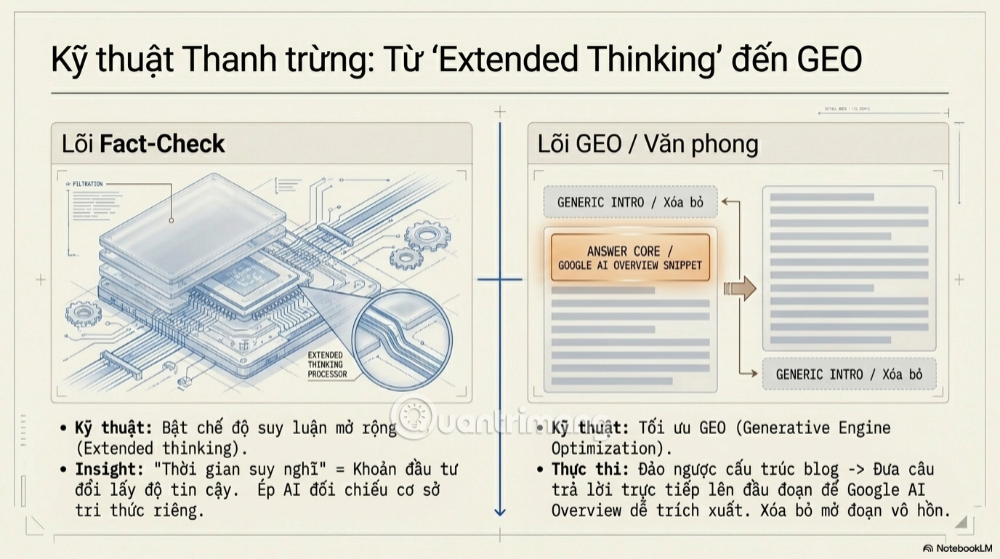
AI drafts often restate the introduction, add unnecessary FAQs, or use headings that promise more than the section delivers. This is a quality problem, not proof that a search engine has detected AI. The remedy is substantive editing: answer the query directly, remove repetition, and add verified detail or firsthand value.
Shared blind spots
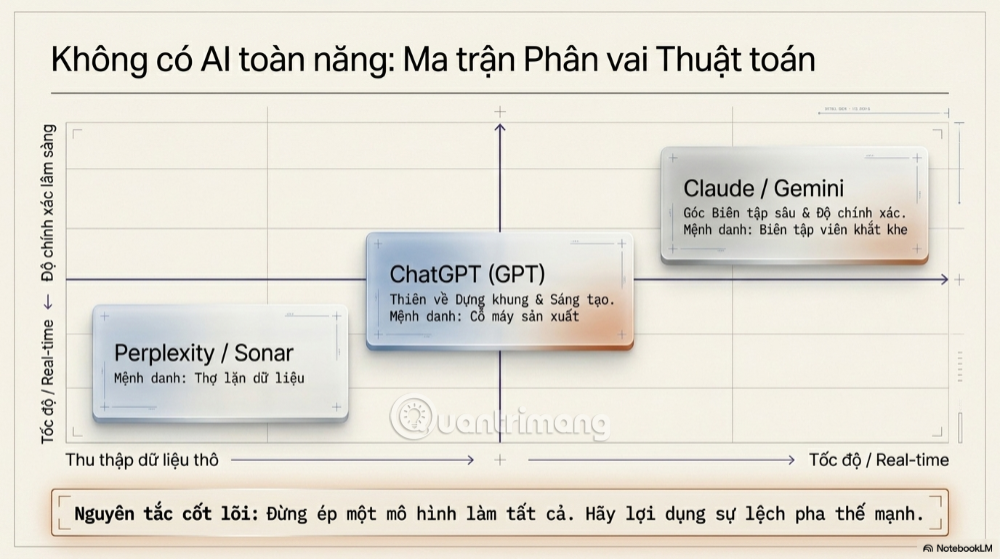
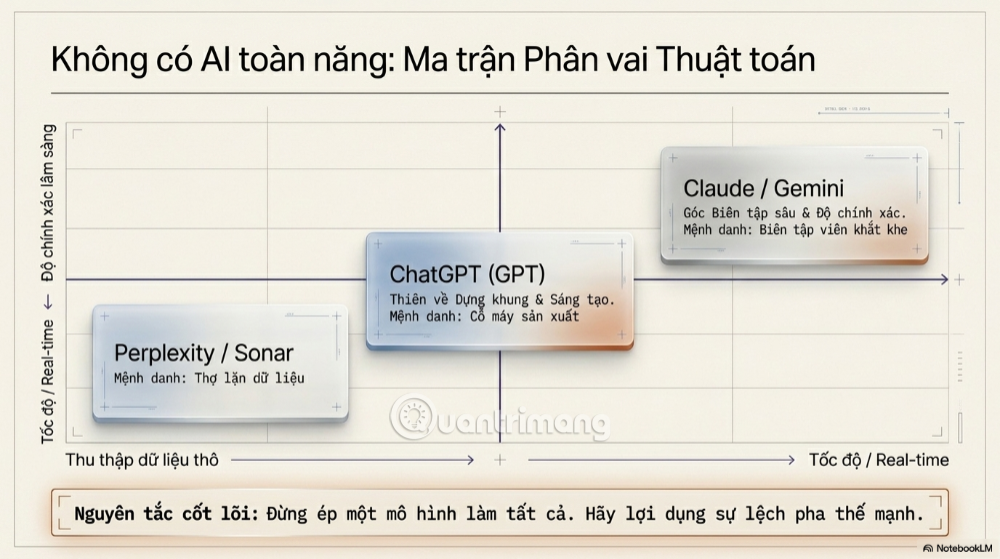
Changing models does not guarantee independence. Models may have learned from overlapping material or follow the same misleading premise in the prompt. A second model can increase coverage, but evidence must break the tie.
A reliable multi-pass editing workflow
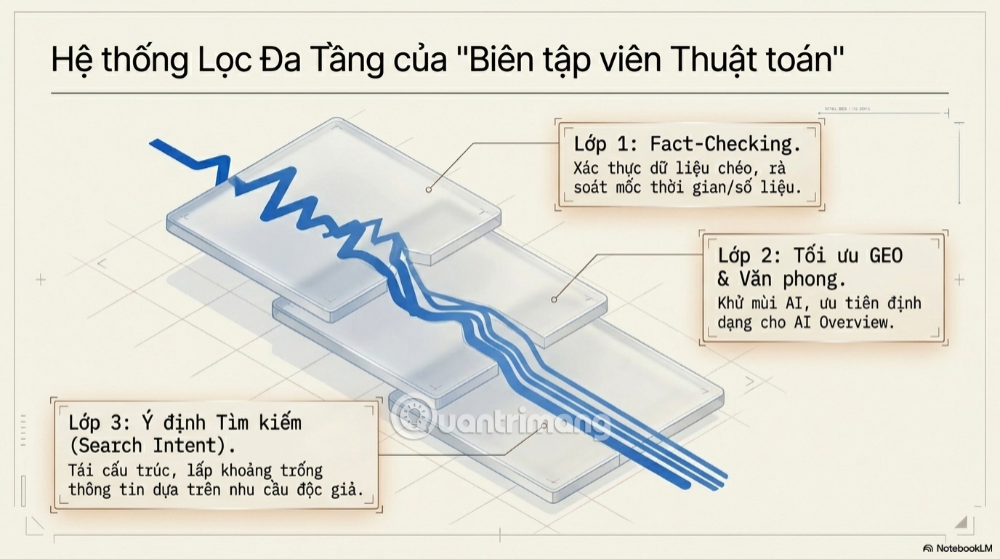
1. Preserve the brief, sources, and original draft
Save the unedited version. Record the audience, search intent, claims that must be included, prohibited claims, style rules, and publication date. Collect the authoritative source material before requesting a factual review.
2. Create a claim ledger
Ask the reviewer to list every checkable claim in a table with the exact sentence, claim type, source required, available evidence, and status. Include proper names, dates, statistics, quotations, compatibility claims, prices, health or safety guidance, and legal statements.
| Claim | Evidence needed | Status | Action |
|---|---|---|---|
| Exact feature or specification | Current official documentation | Verified / unsupported / outdated | Keep, correct, qualify, or remove |
| Reported result or statistic | Original study or dataset | Verified / context missing | Add context or remove |
| Personal result | Recorded test method and observation | Reproducible / anecdotal | Describe method and limitations |
3. Verify against sources, not model memory
Open the cited source and check that it supports the precise wording. Prefer primary material such as official documentation, original research, regulatory text, or the organization responsible for the data. Confirm the date and whether the claim applies to the same product version, region, or population.
4. Run separate editorial passes
Do not ask one prompt to fact-check, rewrite, optimize, and proofread simultaneously. A useful sequence is:
- Accuracy pass: find claims and compare them with supplied sources.
- Intent pass: identify the reader’s question, missing steps, and off-topic sections.
- Structure pass: improve the opening answer, headings, order, and transitions.
- Style pass: remove filler, repetition, vague claims, and unnatural keyword use.
- HTML pass: verify links, images, tables, captions, embeds, and valid markup.
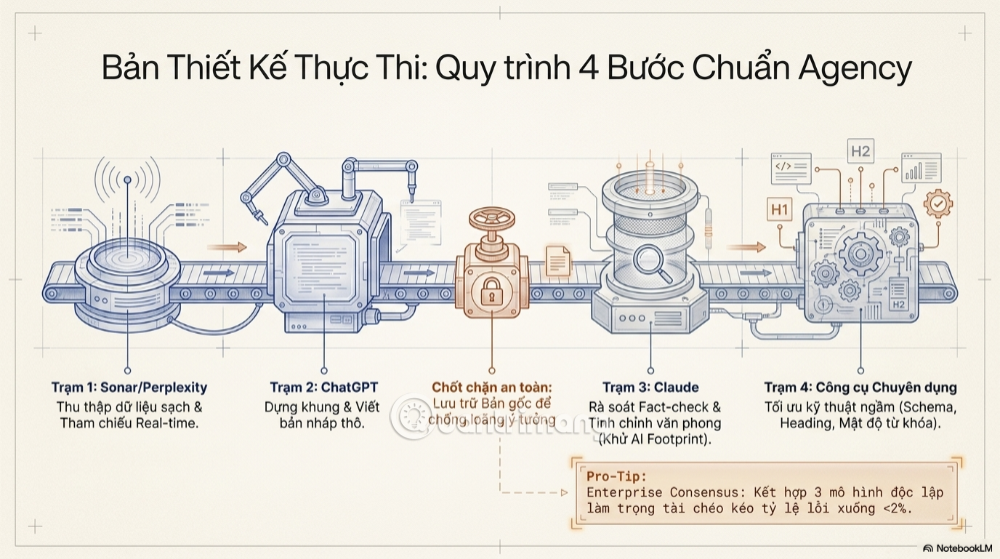
5. Require an edit report
Have the reviewer return the revised draft plus a concise list of material changes, unresolved claims, removed facts, and passages that need expert input. Reject silent corrections that cannot be traced to evidence.
6. Perform human sign-off
A named editor should review the final text in context, inspect every high-risk claim, and confirm that images, links, and formatting still work. Medical, legal, financial, security, and safety content needs qualified subject-matter review; another general-purpose model is not an adequate substitute.
Prompt pattern for the reviewing model
A narrow prompt produces a more useful critique:
Review this draft against the attached source packet. Do not rely on memory for factual claims. List each checkable claim, the source that supports it, and any mismatch. Mark unsupported statements for removal or qualification. Do not rewrite until the claim review is complete. Preserve quoted text, links, images, tables, and the author’s firsthand observations. Return unresolved issues separately.
For a later style pass, specify the target audience, tone, acceptable reading level, headings to retain, and types of filler to remove. Explicitly prohibit invented examples, sources, quotations, and results.
Protect originality and firsthand experience
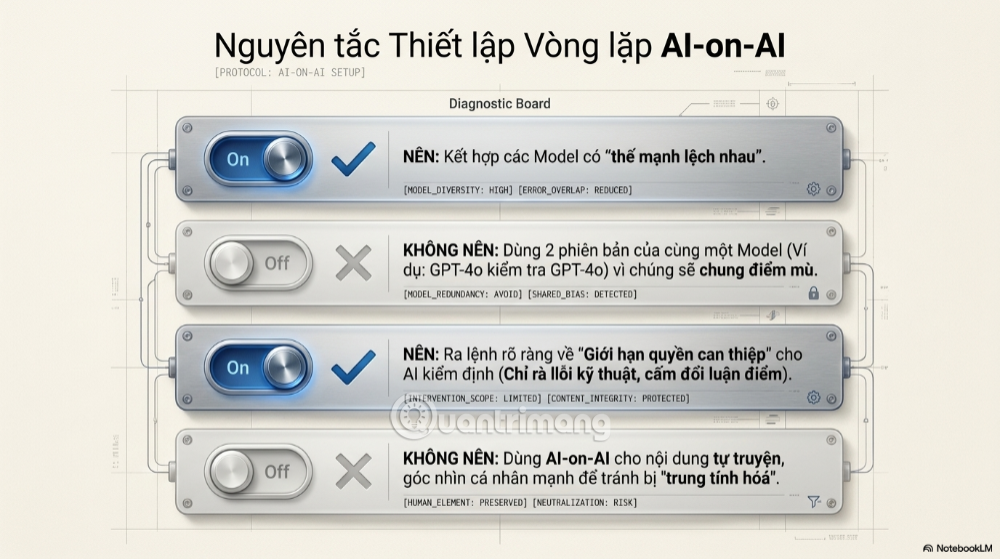
An AI editor can accidentally flatten a distinctive voice or convert a careful observation into a generic claim. Lock passages that contain interviews, test notes, original data, or personal experience. Let the system flag clarity problems, then have the author decide how to revise them.
Never ask a model to create “experience” it did not have. If an article needs a product test, screenshot, measurement, or professional judgment, collect that material from a real test or qualified contributor.
SEO implications

There is no special ranking benefit from having a second AI approve an article. Search quality comes from meeting the reader’s intent with accurate, original, well-organized information. Rephrasing generic text to hide an “AI footprint” does not add value.
Use the editorial pass to make the title truthful, answer the main question early, remove keyword stuffing, retain useful internal links, and improve instructions or comparisons. For generative search features, concise answers and clear structure may improve extractability, but they do not replace authority, evidence, or originality.

Practical acceptance checklist
- Every name, number, date, quotation, specification, and high-risk claim has been verified.
- The title and opening match the reader’s actual question.
- No section merely repeats the introduction or conclusion.
- Firsthand experience is authentic, attributed, and preserved.
- Images, captions, internal links, external references, tables, and embeds still work.
- External links follow the site’s editorial linking policy.
- No model instruction, review note, or placeholder appears in the published copy.
- A responsible human has approved the final version.

AI-on-AI review is best treated as quality-assurance assistance, not automatic validation. Use models to expose problems and enforce repeatable checks; use authoritative sources and human judgment to decide what is true, useful, and ready to publish.
Related Articles
 Vpbank: Instructions for Writing Bank Checks13 minutes read
 How to AI Text Detection Using Canva's AI Detector3 minutes read
 CPU-Z Checks Computer Configuration Details3 minutes read
 What Is Latex? Top 5 Most Popular Latex Editors 20217 minutes read
 5 Best Markdown Editors for Linux: Explained5 minutes read
 5 IF Commands Help Use Batch Script Smarter9 minutes read
Reader Comments 0
Sign in with email or Google to join the discussion.