Table of Contents
This article examines 3 Antibiotic Resistant Viruses Have Almost No Drugs to Treat. It presents the main facts, practical implications, and key points in a clearer, easier-to-follow format.
Recently, the World Health Organization - WHO has announced a "priority" list of 12 most dangerous antibiotic resistant viruses in the world, becoming the biggest threat to human health. 3 of these viruses are almost no medicine to treat.
WHO published this list hoping that scientists, governments, pharmaceutical companies around the world embark on action to develop new types of antibiotic resistance.
To classify these 12 viruses, scientists rely on the following criteria:
- Current antibiotic resistance levels are recorded.
- Mortality rate for patients.
- Their presence in the community.
- The burden that viruses place on the health system.
 List of 12 most dangerous viruses published by WHO.
"Critical" Priority Group, 3 Dangerous Viruses Have No Drugs to Treat
Gram-negative bacteria are classified as "critical" priority, the group that tops the list of 12 dangerous viruses. They are resistant to many antibiotics in treatment and are known as a horrific obsession in hospitals.
Leading this group are acinetobacter baumannii and pseudomonas aeruginosa, two viruses that are resistant to one of the most powerful antibiotics of humans, Carbapenem.
 Acinetobacter baumannii virus tops the list.
Ranked third in this group, Enterobacteriaceae, a family of viruses including species such as E. coli and klebsiella.
Currently, we are forced to use our most potent antibiotic, Colistin, but bacterial resistance to it is becoming increasingly common.
Only a Few Antibiotics Remain Valid
We only have a few remaining antibiotics that are effective for dealing with the bacteria in groups 2 and 3 on the list. The antibiotic resistance of these bacteria is very high.
The "high priority" group of Salmonella, gonorrhea, Campylobacter causes food poisoning and Helicobacter pylori causing gastritis. Drugs for this group of bacteria need to be developed quickly.
While waiting for new drugs, we need to develop faster and more accurate forms of diagnosis to destroy them the first time, avoiding using antibiotics for the next time.
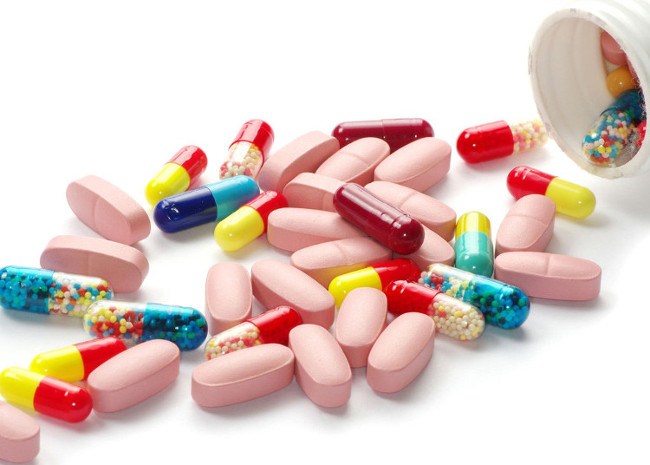 Need to quickly find new antibiotics.
Currently, antibiotic resistance has spread globally. The viruses are causing more than 700,000 deaths a year and if we don't act this number could increase to 10 million by the middle of the century.
FAQ
What is the main point of 3 Antibiotic Resistant Viruses Have Almost No Drugs to Treat?
Recently, the World Health Organization - WHO has announced a "priority" list of 12 most dangerous antibiotic resistant viruses in the world, becoming the biggest threat to human health. 3 of these viruses are almost no medicine to treat.
Why is 3 Antibiotic Resistant Viruses Have Almost No Drugs to Treat important?
3 Antibiotic Resistant Viruses Have Almost No Drugs to Treat matters because it can affect how readers understand, choose, use, or respond to the subject discussed in the article.
What should readers verify about 3 Antibiotic Resistant Viruses Have Almost No Drugs to Treat?
Check the date, product or software version, compatibility, and any current guidance before acting, especially when technology, security, health, or pricing is involved.
Related Articles
 10 Reasons Why Antibiotic Resistance Is Scary Right Now9 minutes read
 How Did Bacteria Learn to Fight Antibiotics?7 minutes read
 Using AI to Develop Super Strong Antibiotics That Can Kill4 minutes read
 Multiple Sclerosis Drugs Can Combat Antibiotic Resistant Bacteria3 minutes read
 How to Use Antibiotics Effectively: Antibiotic Creams12 minutes read
 Accidentally Discovered a Drug That Kills Antibiotic-resistant Bacteria in...4 minutes read
Reader Comments 0
Sign in with email or Google to join the discussion.