Table of Contents
A new study finds the common secret of the origin of all life on earth that can be lived in hot springs where there is a lot of iron and less oxygen. This article explains the key facts and context behind luca.
Key Facts About Luca
The " Common ancestor " of life on earth or. LUCA Is the name scientists mention when talking about the origin of all life. Most LUCA existed uncertainly, while previous research suggested that it was less than a chemical ". Soup bowl " from the forming process that gradually shifted to more complex shapes. Recent research indicates that it can be a complex organism with a complex structure.
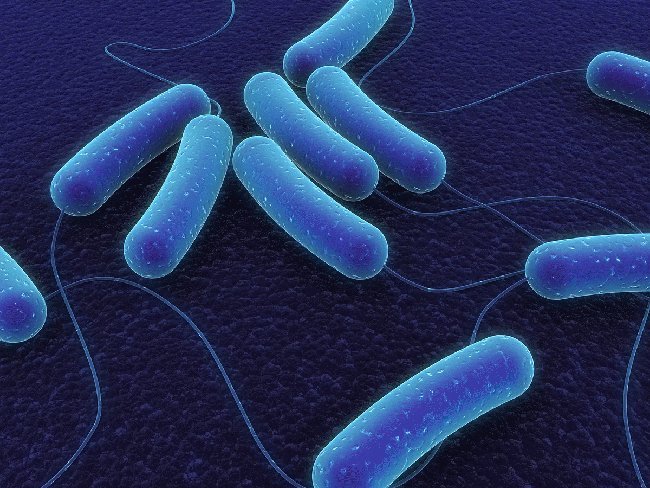
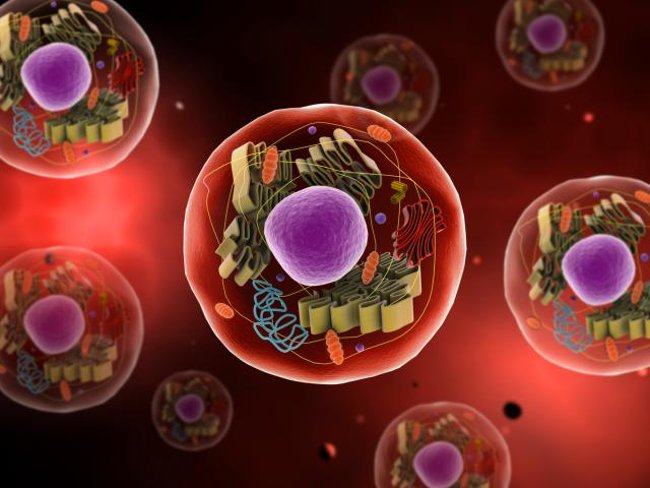
To better understand where and how LUCA lives, researchers analyzed 6.1 million genes from primitive organisms - microscopic single-celled organisms, lacking separate cell nuclei. Bacteria are an example of a non-human organism, while animals, plants and fungi are organisms with a nucleus or a living form of DNA that resides in the cell nucleus. Recent studies indicate that primitive organisms are the earliest group to appear on earth and from non-human organisms to human beings.
The researchers gathered the gene groups found in many different groups of primitive organisms. After pointing out their similarities and differences, the researchers created the family tree of those genes. This helps scientists find out which genes are the largest in primitive organisms and therefore most of them are inherited from LUCA.
Scientists tested the genes according to the detailed plan for proteins (Some genes do not target protein production). The researchers found 286,514 protein groups but only 355 groups matched the stringent criteria given by the researchers in the potential availability of LUCA. Previous research has not yet fully discovered the function of this gene so now they are more clear about the environment and lifestyle of LUCA.
Why Luca Matters
The study by William Martin, a microbiologist at Heinrich Heine University in Duseldorf, said: ". We have the opportunity to observe most of our ancestors where and when we lived. That environment still exists today and the lifestyle of cells is the same as LUCA. ".
LUCA is thermophilic so it can grow in high temperatures and anaerobic - no oxygen is needed to grow. In contrast, LUCA must live in an environment rich in hydrogen, carbon dioxide, nitrogen and iron. These places also contain sulfur and selenium.
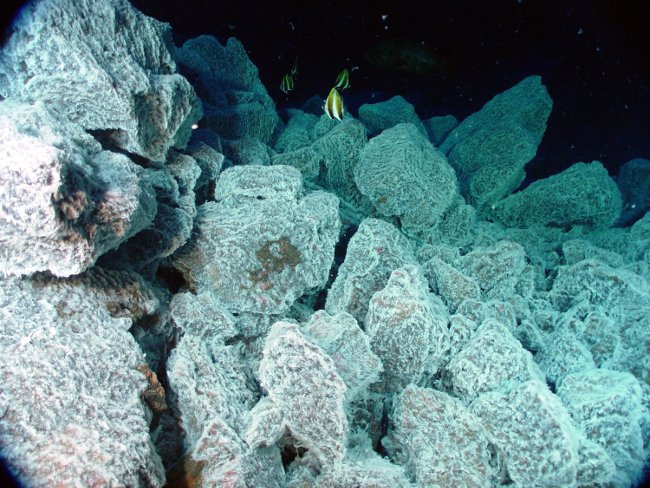
Scientists conclude that there are still many primitive organisms living in such environments, called hydrothermal vents of hot springs on land as well as cracks near the sea floor. fire. These modern creatures include rodents and bacteria that produce methane.
" The interesting thing is that some bacteria still live in the biology wall where life has existed 4 billion years ago,. " Martin told Live Science.
On July 25, scientists synthesized their results on the Nature Microbiology magazine website.
FAQ
Where Did All the Origins Come from: Luca?
A new study finds the common secret of the origin of all life on earth that can be lived in hot springs where there is a lot of iron and less oxygen.
What makes luca notable?
This article explains the key facts and context behind luca.
What are the key facts about luca?
Key Facts About Luca The " Common ancestor " of life on earth or.
Related Articles
 Instructions for Downloading and Playing Age of Z Origins Game for Newbies10 minutes read
 Download Assassin's Creed Origins Gold Edition - How to Install and8 minutes read
 The Strange, Thorny and Sometimes Sleazy Origins of 11 Tech7 minutes read
 The Origin of Some Familiar Icons on the Computer10 minutes read
 The Surprising History Behind Popular Halloween Costumes13 minutes read
 Chinese Archeology Seeks to Source Human History in Africa3 minutes read
Reader Comments 0
Sign in with email or Google to join the discussion.