Table of Contents
This updated guide examines What Are Super Apps: What Is a Super App? and organizes the essential facts, background, and practical takeaways in clear American English.
Although most have not yet spread out of Asia, apps like WeChat, Alipay, Grab, Go-Jek, Paytm, Kakao and Line are becoming an essential part of life in many places. Most of these apps start with a few functions, like chatting with friends, paying or hailing a car, but have essentially turned into a miniature operating system for life.
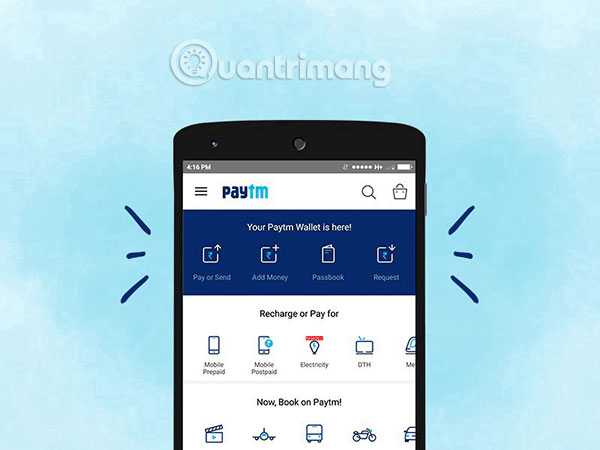
The super application model means an easy way to access many different services, saving phone space and preventing users from having to search for different applications. However, there are also notable drawbacks, especially when it comes to privacy and competition.
This trend is also starting in Latin America - one of the first mobile cultures in the world. Companies in North America and Europe like Facebook, Uber and Amazon are paying close attention to the possibility of becoming a super-app in the region. But with so many services in super apps already being dominated by individual companies, it's hard for these tech giants to achieve what WeChat has done.
'Superstar' in the super app world
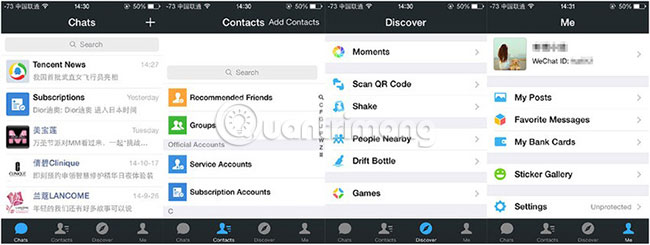
Without a doubt, the 'king' in the current super-app world is Tencent's WeChat - an application used by more than two-thirds of the Chinese population, many of whom spend an average of several hours each. day. WeChat and its rival app, Alipay, are often used for mobile payments, so paying everything with cash or a card is actually becoming a challenge.
Texting, social networking, news, electronic payments, ticketing, car rides, gaming, financial services, food delivery, movie tickets, hotels, flights, hospital appointments, dog grooming - the list of things you can do with WeChat and / or Alipay is infinite. You can even create games and applications that exist in WeChat, as well as take advantage of its existing infrastructure for things like messaging and payment.
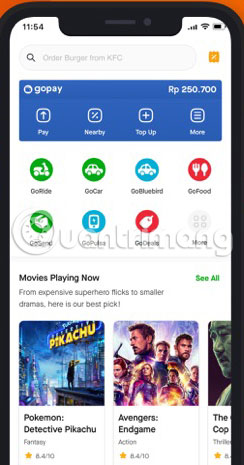
Some of the biggest downsides of super apps are also evident here. The great scale of WeChat and Alipay is effectively preventing competition, as anyone who wants to bring a new service to users often does so through one of these apps. Privacy is also a major concern, because the more things a user can do in an app, the more likely that app will learn about them.
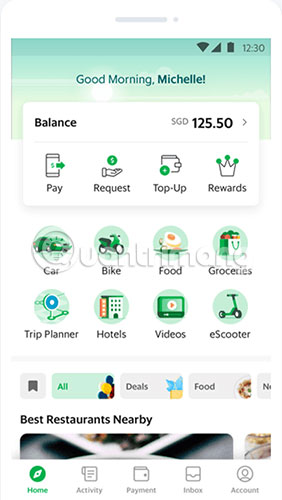
Pretty much any other super app is the 'lightweight' version of WeChat. They aggregate services the same way, but you won't open one until it's time to order food or ride a car. They are very handy, but most users will not value them like electricity or the Internet. However, super applications still do a lot of things. The following are some typical examples:
- Go-Jek (Indonesia and Southeast Asia): More than 20 services ranging from mobile payments to massage therapists.
- Grab (Singapore and Southeast Asia): One of the most successful startups in Southeast Asia, starting with a ride-hailing and now used to pay for electronics, food delivery, as well as some other.
- Paytm (India): Supported by Alibaba (Alipay), Paytm provides electronic payment, financial services, car rental, shopping and many other services for Indians.
- Rappi (Colombia and Latin America): Initially an app that connects users to delivery services that can receive and deliver a lot of things, but it is moving into areas such as e-payment and sharing. scooters and financial services.
Is a super app like an app store?
Today, Europe, Australia, Africa, the United States and Canada do not have anything that can be called a 'super app'. Especially in the United States, this is the result of gradual development of digital goods and services. Japan and South Korea are also in a similar situation.
Although Line and Kakao are super applications, the gradual development of digital services means limiting the opportunity for any company to participate and dominate most of the market.
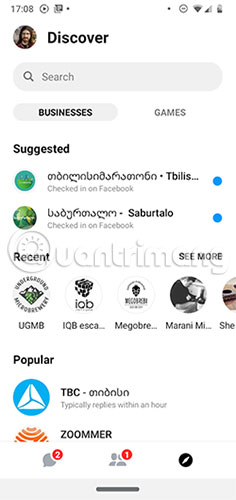
Of course, every company still wants to become a super app and is trying to do that. David Marcus, the leader of Facebook Messenger, described WeChat as the source of inspiration for the world in the past and if you've been following the app for the past few years, you'll notice some parallel development. Its move toward Libra payments is a particularly big step towards 'super apps'.
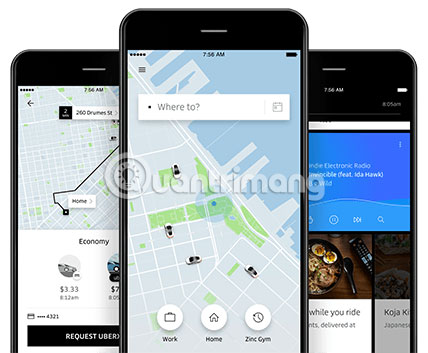
Uber has also stated its intention to become an 'operating system for everyday life'. It started by combining Uber and Uber Eats into one app and expanded the transportation options you might find. Today, Uber even has a freight company called Uber Freight.
Next is Amazon, which is pursuing the goal of becoming a super-app in India, where it provides e-payment, flight booking, car rental, food delivery, etc. directly or through The company has bought.
Do you want or need a super app?
Undeniably super apps are very convenient and make life a bit simpler, but putting those services together under the control of a company might not be the best idea. for the digital ecosystem, in the long run. Competition helps drive innovation and prevents any company from having too much power.
It is very likely that there will be a number of different ecosystems that have the characteristics of super applications. Messenger and Uber may not become US WeChat and Grab, but these apps will probably add some useful features in an effort to get there.
FAQ
What is What Are Super Apps: What Is a Super App about?
It provides a structured overview of What are super apps, explains the main context, and highlights practical takeaways for readers.
Why does this topic matter?
Understanding the main concepts helps readers evaluate the issue, avoid common mistakes, and make better-informed decisions.
How should readers use this information?
Use the guidance as a practical starting point, confirm details that may have changed, and follow current product, safety, or security recommendations.
Related Articles
 What Is Amd's FSR? What Does the FSR Do?5 minutes read
 Compare NVIDIA RTX 4070 Super, RTX 4070 Super Ti and RTX 4080 Super Explained8 minutes read
 Don't Miss the Biggest Super Moon View in 2017 in the Afternoon3 minutes read
 How to Download Marvel Super War for iOS and Android4 minutes read
 How to Transfer the Holy SIM Package to Super Holy SIM3 minutes read
 20 Pictures of Super Beautiful Splendor Around the World7 minutes read
Reader Comments 0
Sign in with email or Google to join the discussion.