Table of Contents
When an online game world was about to be erased, many players stopped investing in character progression but continued interacting with one another. That was the finding of a study of an ArcheAge beta test. It offers evidence about behaviour in a temporary virtual world, rather than a reliable prediction of how people would react to a real apocalypse.
What the researchers studied
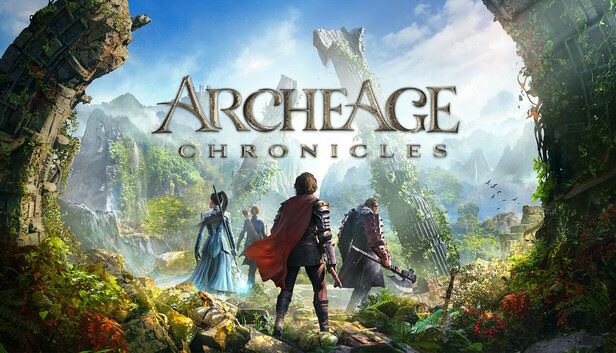
ArcheAge is a massively multiplayer online role-playing game, or MMORPG, in which players complete quests, develop characters and form social groups. During the closed beta examined in the research, the world was temporary: player data would be deleted when the test ended.
The 2017 paper by Ah Reum Kang and colleagues analysed approximately 270 million records of in-game activity. These were action records, not 270 million participants. The researchers looked for changes in progression, combat and social interaction as the wipe approached.
Players knew that the roughly 11-week test would end. This was not a surprise announcement made only after 11 weeks of ordinary play.
Progression lost its appeal
Quest completion, levelling and ability changes declined near the end of the test. That makes sense within the game: improving a character has less lasting value when the character and its achievements will soon be erased.
These activities resemble the progression systems described in TipsMake’s Lineage2M levelling guide. The study’s question was what happened to such long-term goals when their future payoff disappeared.
The ending was not widespread chaos
The researchers did not find a general collapse into destructive behaviour. Some players engaged in more antisocial actions, including attacks on other players, but these outliers did not describe the whole community.
Social activity also continued. The analysis found patterns consistent with strengthening existing connections and forming temporary groups, particularly among players who stayed until the end. Some group-chat sentiment became more positive.
The source paper uses “pandemic” to describe widespread behaviour changes. In this context it does not refer to an infectious-disease outbreak.
Why a game wipe is different from a real disaster
The paper’s limitations section explicitly cautions against a direct mapping to real-world behaviour. No participant’s physical safety depended on the server’s survival. Players could log out, return to daily life and join another game.
They had invested time and effort in their characters, so the ending could still matter to them. But losing virtual progress is different from facing injury, death, displacement or loss of essential services. Participants were also a particular gaming population, and some may have experienced earlier beta wipes.
What the findings are useful for
The study helps explain how incentives and social ties can change before a known game-world ending. It may inform game design and research into online communities. It does not establish that humanity would remain calm, become happier or abandon self-improvement during a real catastrophe.
A beta wipe also differs from the permanent closure of a released game’s servers. TipsMake’s historical overview of Android open-world games explains why server availability matters when evaluating older online titles.






Reader Comments 0
Sign in with email or Google to join the discussion.