Table of Contents
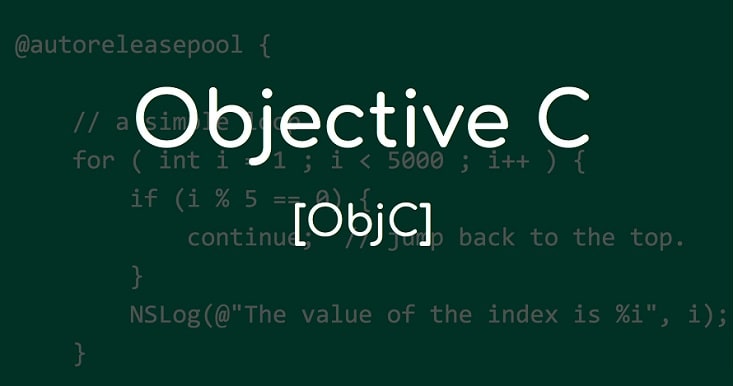
Objective-C is an object-oriented extension of C with a dynamic runtime. It remains useful when maintaining existing Apple-platform applications, working with Objective-C frameworks, or integrating code across C, Objective-C, and Swift boundaries.
For a new project, choose a language based on the required frameworks, team experience, and existing code rather than assuming an older language is automatically faster or more stable.
What Objective-C adds to C
Objective-C retains C syntax and primitive types while adding objects, classes, methods, and message sending. A method call such as [object performAction] uses a messaging syntax that differs from many newer languages.
Its runtime supports dynamic behavior, including selecting methods at runtime. This flexibility is valuable for some frameworks and tools, but it also means certain mistakes become visible during execution rather than being rejected by the compiler.
Foundation, AppKit, and UIKit are frameworks used by applications; they are not part of the Objective-C language itself. The language does not inherently make touch input faster or guarantee a smooth user interface.
Advantages in existing projects
Access to established code and frameworks
Learning Objective-C lets you read and maintain code that a full rewrite would otherwise replace. It can be more practical to test and improve an established component than to migrate it solely for stylistic consistency.
C integration and Objective-C++
Because Objective-C extends C, it can work directly with C interfaces. C++ integration generally uses Objective-C++, commonly in .mm source files. It is not accurate to treat arbitrary C++ code as interchangeable with ordinary Objective-C source.
Interoperation with Swift
Supported interfaces can bridge between Swift and Objective-C, allowing gradual migration or a mixed-language application. Design that boundary carefully: not every type or language feature maps directly between them.
Dynamic runtime facilities
The runtime enables reflection and other dynamic patterns used in some mature frameworks. Most everyday code does not need direct runtime calls. Such capabilities are specialized tools, not proof that one language's runtime is universally more powerful than another.
Limitations developers should understand
- Learning overhead: Message syntax, header and implementation files, conventions, and C concepts can take time to learn.
- Runtime failures: Dynamic dispatch can defer some invalid operations until execution. Static types, compiler warnings, and tests remain important.
- Memory ownership: Automatic Reference Counting handles much object-lifetime bookkeeping, but strong-reference cycles can still leak memory. Older code may use manual retain/release, and C resources need their own cleanup.
- Unsafe operations: C pointers and low-level code require careful bounds and lifetime handling. Language choice alone does not establish application security.
- Project maintenance: A mixed Swift/Objective-C codebase needs clear interfaces, build configuration, and tests on both sides of the bridge.
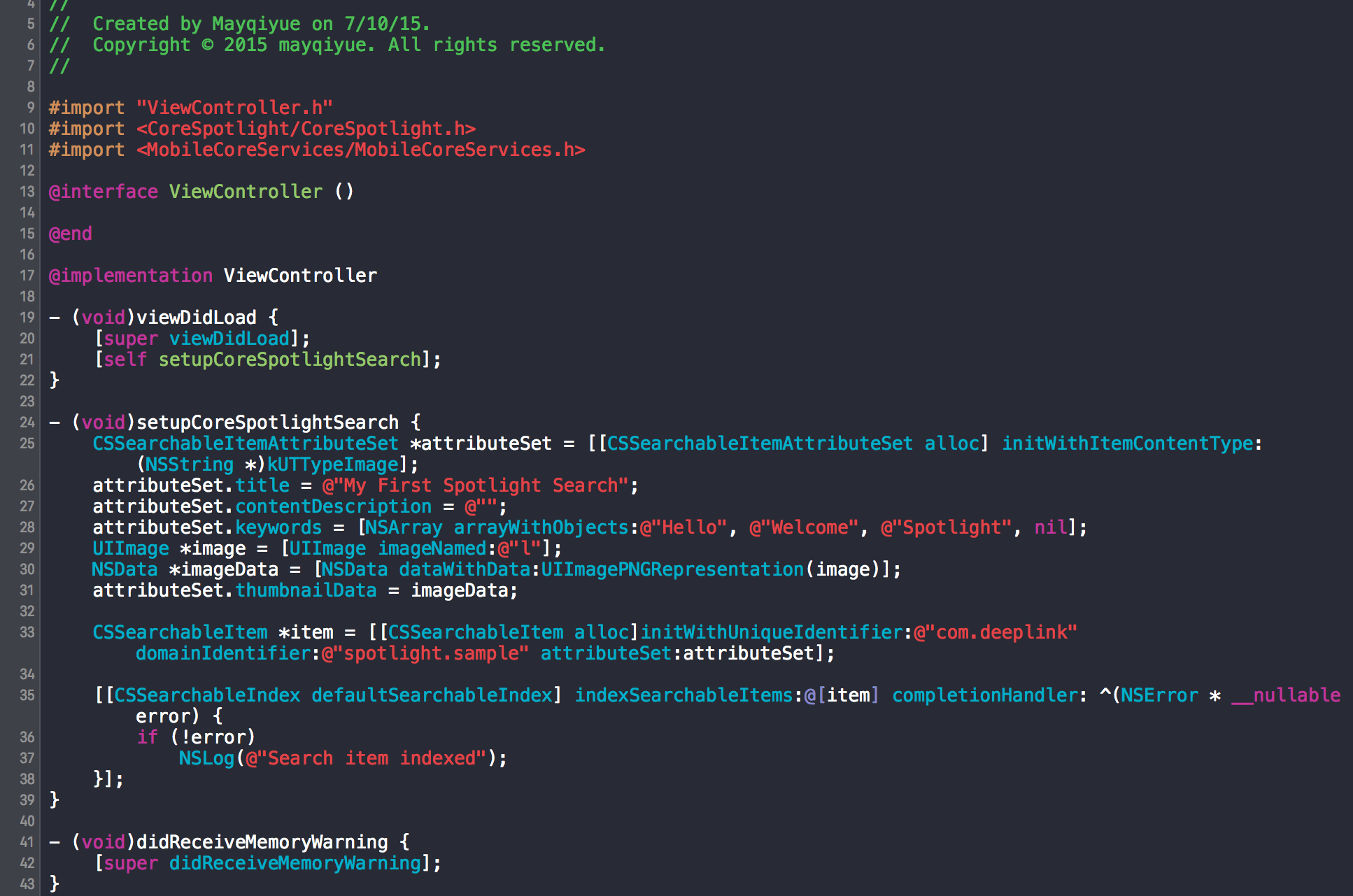
Objective-C or Swift?
If your task is maintaining a substantial Objective-C application, learn enough Objective-C to debug it confidently before proposing migration. If you are beginning native Apple development, assess Swift alongside the frameworks and tools you plan to use. Avoid changing a working component without a concrete maintenance or product benefit.
Compare the Swift learning roadmap with the broader iOS development curriculum. Apple's archived Objective-C programming guide explains the language and ownership model, though its historical platform-version statements should not be used as current deployment requirements.
Start by reading a small class, following a method call, and adding a test around one behavior. Then study properties, protocols, blocks, ARC, and the interoperability needed by your actual project.
Related Articles
 Swift Programming Language: Advantages, Limitations, and When to Use It
 Pascal Advantages and Disadvantages Compared with Other Languages
 Overview of R language, install R on Windows and Linux
 16 programming languages will change your luck
 Why should you learn Python programming language?
 Do you know what programming language is?
Reader Comments 0
Sign in with email or Google to join the discussion.