Table of Contents
With the trend towards digitalization, many people wonder what digital devices are and their role in modern life. Digital devices appear when you buy a phone, study online, work remotely, or use online public services, clearly demonstrating their role in processing data faster and more accurately. This article will help you gain a comprehensive understanding of digital devices and their role from a technological, legal, and practical application perspective.
What are digital devices?
Digital devices encompass tools capable of processing digital data. Digital data is typically represented by bits 0 and 1. Below are two common perspectives when defining digital devices.
The concept of digital devices from a technological perspective
From a technological perspective, a digital device is an electronic device that processes discrete signals. Input data is converted into binary form. The microprocessor then reads that sequence of bits to execute a command. The result is displayed on a screen, played through sound, or transmitted as a control signal.
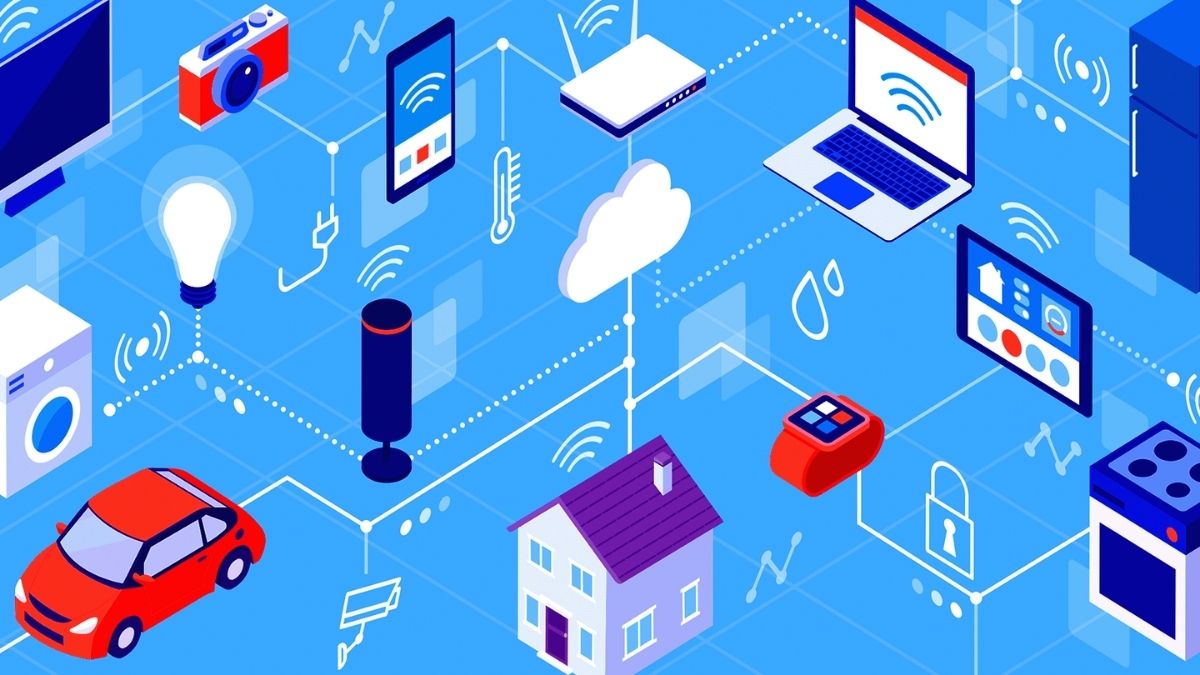
The strengths of digital devices lie in their fast processing and precise repeatability. They are also easily upgradeable thanks to software. You can update the operating system to add features and install applications to expand your workflow. Therefore, a digital device is not just a 'machine'. It's a platform that runs programs.
Digital devices and data responsibility
Definitions can vary between technical, policy, and legal contexts. When a device collects, stores, or transmits information, users and organizations should consider applicable privacy, security, licensing, and data-handling requirements rather than relying on a broad hardware label alone.
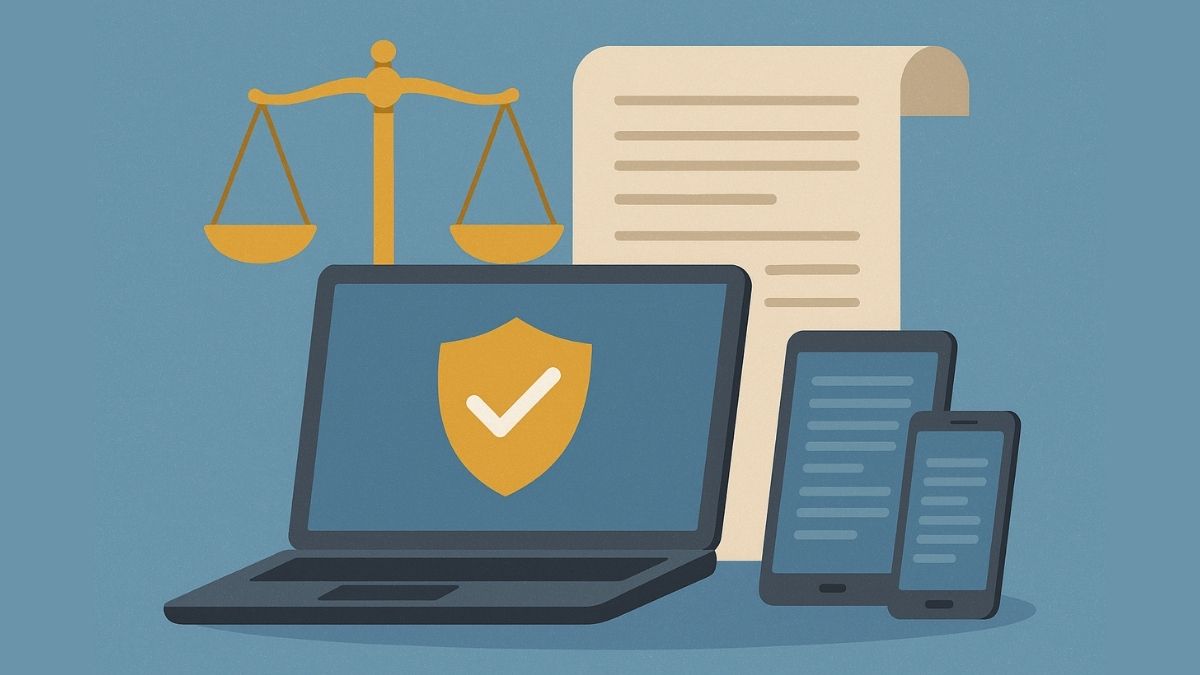
When applying the law, the focus is often on data management responsibilities, such as protecting personal data and system security. Users need to be mindful of their privacy and comply with software usage regulations. Therefore, understanding digital devices legally involves more than just looking at the hardware. You need to consider the software, the data, and how the device connects to the network.
Common examples of digital devices today
Examples of the most common digital devices are phones, laptops, and tablets. These are a group of devices used for both personal and professional purposes. They have operating systems, applications, and internet connectivity. They also have cameras, microphones, and sensors to collect data.
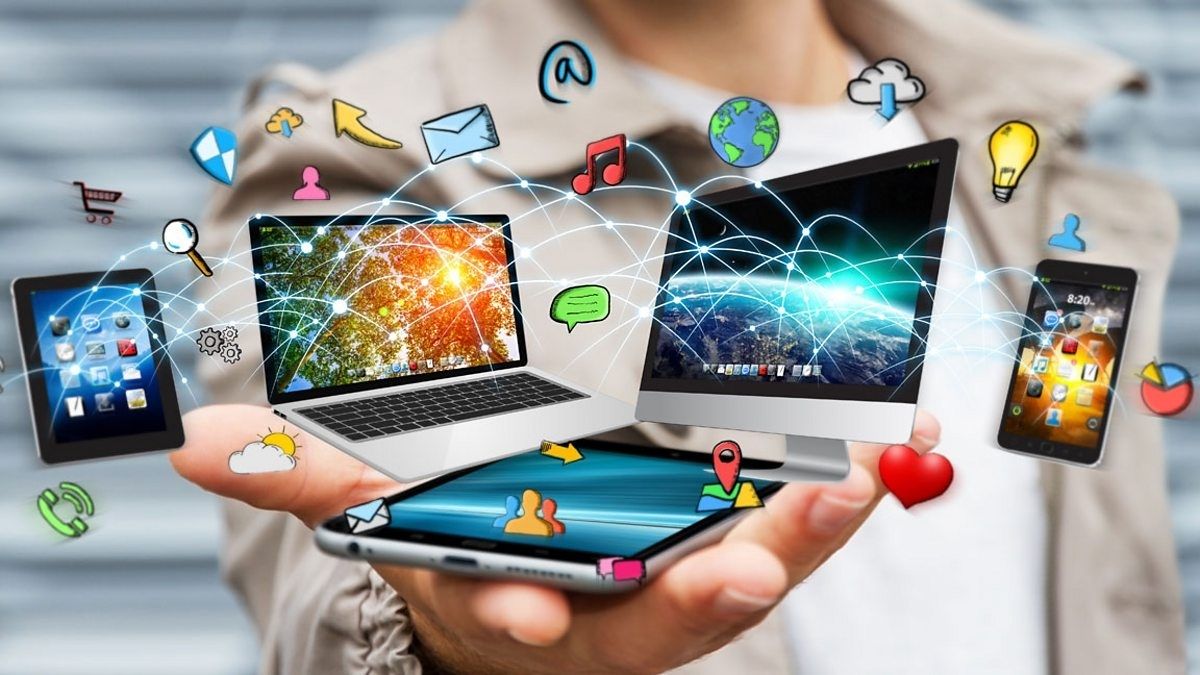
In addition, businesses also have digital devices such as servers, POS systems, barcode scanners, and networking equipment. In factories, temperature sensors and PLC control systems are also considered digital devices. Recently, the group of smart digital devices has grown significantly, including smart TVs, smart watches, and robotic vacuum cleaners.
What does a digital device include?
When asked what a digital device consists of, the answer usually points to two main components: hardware and software systems. These two parts always go together; without one, the device will have difficulty functioning properly.
Digital device hardware
Hardware refers to the physical components that make up a digital device, including the processor, RAM, and storage memory. It also includes the motherboard, battery, screen, and connection ports. For network devices, the hardware also includes the chipset and antenna.
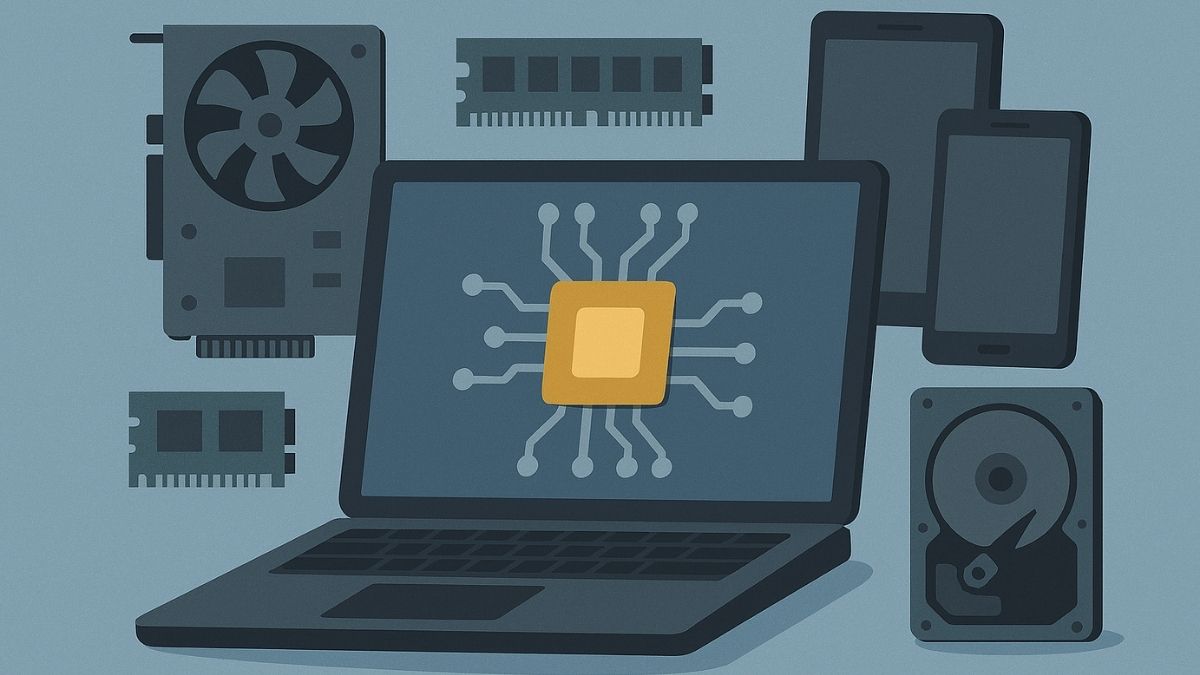
Hardware determines processing speed and stability. RAM allows for running multiple tasks simultaneously. Storage affects application opening speed and data writing. Connectivity ports determine the ability to communicate with other devices. Therefore, when choosing a device, you should consider the CPU, RAM, and storage type simultaneously.
Software and operating systems in digital devices
Software is a collection of programs that helps a device perform a task. The operating system acts as a platform for managing hardware, allocating resources, and coordinating applications to ensure basic system security.
Software determines what a device can be used for. Office applications help with document creation and calculations. Communication applications enable video calls and messaging. Specialized applications support accounting, design, or programming. When the operating system is updated, the device is usually more secure. It also becomes more compatible with new applications.
How do digital devices work?
Digital devices operate in an 'input - processing - output - storage' cycle. The device receives input data from a keyboard, sensor, or network. This data is digitized and encoded into a sequence of bits. The microprocessor uses this bit sequence to execute instructions.
The program then processes the data and generates results. These results can be displayed on a screen, play audio, or control other devices. Data can also be stored in memory or synchronized to the cloud. This allows digital devices to process data quickly and connect to form a system.
The role of digital devices in daily life
The role of digital devices is evident in their convenience and speed. Digital devices enable quick communication via text messages and video calls, and allow you to learn anytime through online classes. Digital technology also supports flexible work through cloud storage.
In consumer settings, digital devices play a crucial role in supporting cashless payments and managing expenses through banking applications. In healthcare, digital devices store records, track health indicators, and assist in diagnosis. In entertainment, digital devices continue to play a vital role in providing users with convenient access to movies, music, and games. In short, the role of digital devices is not only to bridge the information gap but also to transform lifestyles towards a data-driven approach.
The role of digital devices in the digital transformation phase
Digital transformation requires an infrastructure foundation for data creation and circulation. Digital devices are the physical base of that infrastructure, clearly demonstrating their role in collecting, processing, and transmitting information. Government agencies also face difficulties in providing stable online public services.
In businesses, digital devices play a crucial role in automating and measuring operations, such as sensors in manufacturing and point-of-sale systems. In management, digital devices also collect data for analysis and decision-making. Therefore, when discussing digital transformation, devices are always a mandatory 'input' component. They are the gateway that brings real-world operations into the digital environment.
What is the difference between digital devices and smart devices?
Digital devices are a broad concept encompassing all devices that process digital data. Desktop computers are digital devices. Printers with processors are also digital devices. Barcode scanners and network devices also fall into this category.
Smart devices are a narrower group, often featuring internet connectivity and a high degree of automation. They can learn habits, respond contextually, or be controlled remotely. Therefore, smart digital devices are typically digital devices with added sensors and connectivity. Many also integrate AI to optimize the user experience. Simply put, a smart device is always a digital device. But a digital device isn't necessarily 'smart'.
Advantages and disadvantages of digital devices
Digital devices offer significant advantages in terms of speed and connectivity. However, they also bring with them security risks and the potential for technological dependence.
Advantage
- Demonstrates its ability to process data quickly and stably, and effectively meet the demands of multitasking.
- Serving as a flexible link via the Internet, it supports effective remote sharing and collaboration.
- Leverage the advantage of easy software upgrades, adding features without needing to change devices.
- This confirms the role of automation in many processes across manufacturing, services, and management.
Disadvantages
- There is a risk of personal data leakage if you install unfamiliar apps or those with weak security.
- It's easy to get distracted, especially when using social media too much.
- The cost of upgrades, repairs, and replacements can be high.
- Create a digital divide for those who lack technological skills.
How to use digital devices safely and effectively
To use digital devices safely, you should focus on two main things: keeping your devices 'up to date' and protecting your accounts/data. Regularly update your operating system and applications to patch security vulnerabilities. Also, only install software from trusted sources to avoid malware hidden in unfamiliar files.
Regarding accounts and data, use strong passwords, enable 2FA for important accounts, and absolutely do not share OTPs. You should also back up your data regularly to protect against device loss or system errors. When out and about, avoid logging into sensitive accounts on public Wi-Fi. Finally, set up screen locks, encryption if available, and manage app permissions to prevent unnecessary data collection.
Understanding what digital devices are and their role will help you choose the right devices and use them more effectively. Digital devices are increasingly present in learning, work, and public services. They are also a crucial foundation for digital transformation. By understanding their structure, operation, and risks, you can leverage technology better. Simultaneously, you reduce the risk of data loss and over-reliance on technology.
Related Articles
 Typical Examples of Spirit Overcoming Fate16 minutes read
 The Set of Real Descriptions of Modern Life Is Startling, People3 minutes read
 The Crucial Role of Software Testing: Ensuring Quality in the Digital Age8 minutes read
 How to Choose a Semi-Professional Digital Camera9 minutes read
 Google Allows Remote Logging Out of Strange Devices4 minutes read
 Keep Digital Devices from Overloading12 minutes read
Reader Comments 0
Sign in with email or Google to join the discussion.