Table of Contents
This article examines Websites That Use HTTP Protocol Will Have to Switch to HTTPS If They Do Not Want to. It presents the main facts, practical implications, and key points in a clearer, easier-to-follow format.
Understanding Websites That Use HTTP Protocol Will Have to Switch to HTTPS If They
Google has announced that websites using the HTTP protocol will be listed on the company's non-secure list and must switch to HTTPS. This is the next step in Google's user protection strategy.
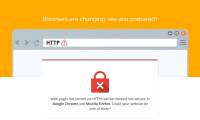
In early 2017, Google's Chrome browser also started adding the word Not secure to the site's link if it felt unsafe for users.

From July 2018, when the Chrome 68 version was released and became more stable, all websites using the HTTP protocol will be added from the Not secure in front of the path as shown below for users to identify. and be more careful.
In addition, Google also provides some guidelines for setting up and explaining security-related issues for webmasters who haven't converted to HTTPS protocols to learn.

According to statistics, 81 of the top 100 websites switch to using HTTPS protocol by default in the past year. There are about 78% of user visits on Chrome OS and macOS devices, 68% access to Chrome on Android and protected Windows applications.
- Don't ignore these 10 security tips when creating a new website.
- 4 ways to protect personal information should everyone know and use when surfing the web.
- How does setting HTTPS affect SEO?
FAQ
What is the main point of Websites That Use HTTP Protocol Will Have to Switch to HTTPS If They Do Not Want to?
Google has announced that websites using the HTTP protocol will be listed on the company's non-secure list and must switch to HTTPS. This is the next step in Google's user protection strategy.
Why is Websites That Use HTTP Protocol Will Have to Switch to HTTPS If They Do Not Want to important?
Websites That Use HTTP Protocol Will Have to Switch to HTTPS If They Do Not Want to matters because it can affect how readers understand, choose, use, or respond to the subject discussed in the article.
What should readers verify about Websites That Use HTTP Protocol Will Have to Switch to HTTPS If They Do Not Want to?
Check the date, product or software version, compatibility, and any current guidance before acting, especially when technology, security, health, or pricing is involved.
Related Articles
 Instructions for Setting up HTTPS for Simple Websites10 minutes read
 Find Out What Is HTTPS? Why Should You Use HTTPS Instead10 minutes read
 Firefox Is About to Mark All HTTP Pages as Unsafe4 minutes read
 What Is HTTPS? and Why Is It Needed for Your Site5 minutes read
 What's the Difference Between HTTP and HTTPS?7 minutes read
 How HTTP Works4 minutes read
Reader Comments 0
Sign in with email or Google to join the discussion.