Table of Contents
What was the Earth like 2 billion years ago? How was the Earth formed today? The following section will find out together!
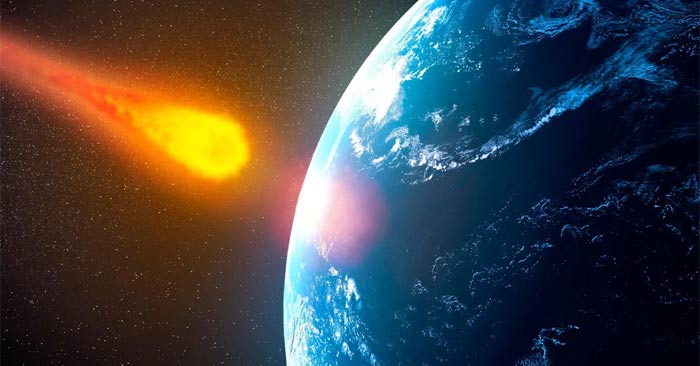
Two billion years ago, Earth was a strange and inhospitable place. It was an era marked by dramatic climate changes and dangerous atmospheric changes, and the emergence of conditions that would eventually allow complex life to flourish. The planet was still young compared to today, and the environment was unlike any other in which humans could survive.
Here are the ways our world changed in appearance and action during this extraordinary chapter in history, and why these events have shaped the Earth we live on today.
The land is bare and lifeless
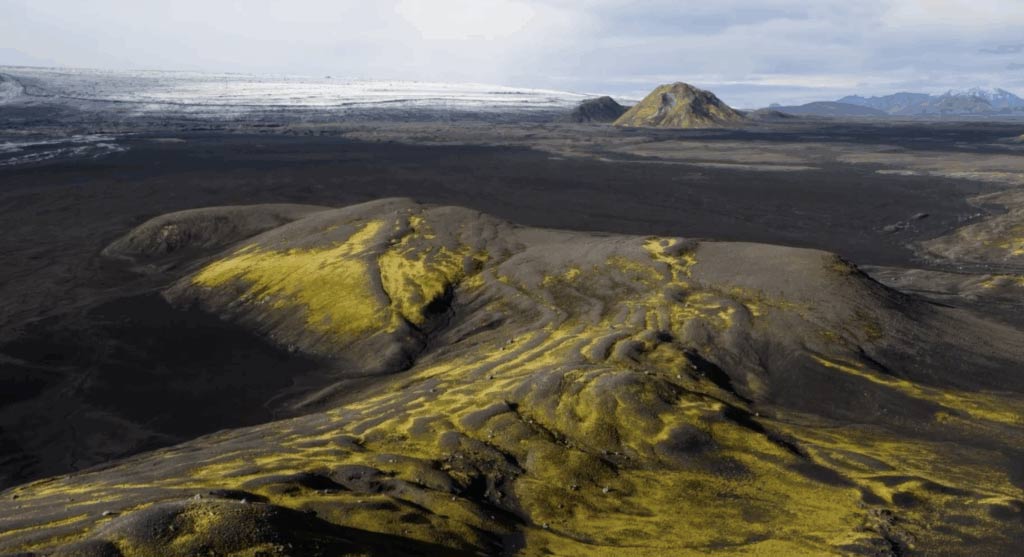
If you visited Earth 2 billion years ago, you would not have seen any trees, flowers, or even a blade of grass. The land was a barren, rocky wasteland, devoid of any vegetation. There were no animals, not even insects or other small creatures. The only living things existed in the oceans, and they were very small.
Without vegetation to anchor the soil or provide shade, the landscape would appear bare, stark, and alien. The wind would blow freely over the rocky surface, carrying dust and debris with no hindrance. This lifeless landscape would be both silent and still, broken only by the sound of water lapping against the bare rocks along the shore.
Cyanobacteria dominate the oceans
The Earth's oceans at that time were dominated by green, slimy mats of cyanobacteria. These tiny organisms were the most important form of life on the planet, although they were invisible to the naked eye. Cyanobacteria could perform photosynthesis, using sunlight to convert water into energy and releasing oxygen as a byproduct.
Over millions of years, they began to alter the chemistry of the oceans and atmosphere in ways that would forever reshape the planet. The seas would glow when they appeared, turning the water a murky green. Without these microbes, there would be no oxygen-rich air for future plants and animals to breathe. Their work laid the foundation for all advanced life to come.
The Great Oxidation Event wiped out most life
The oxygen produced by cyanobacteria was toxic to most other bacteria alive at the time. As oxygen levels increased, methane and carbon dioxide, greenhouse gases that warmed the Earth, were removed from the atmosphere. This sudden change caused the Great Oxidation Event, which wiped out about 99% of life on Earth.
The extinction was slow on human timescales but rapid in geological terms, forever changing the direction of evolution. The seas and skies began to change color as new chemical reactions took hold. For many of the creatures that survived, adapting to this oxygen-rich environment meant the difference between survival and extinction.
Earth enters 200 million year ice age
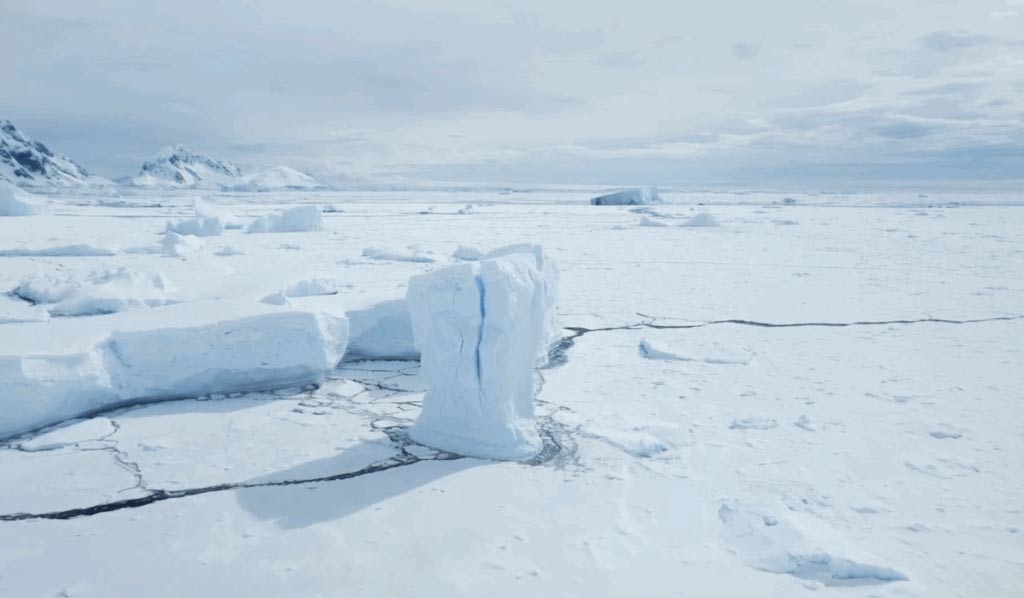
As greenhouse gases largely disappeared, global temperatures plummeted. The Huronian Ice Age began, lasting about 200 million years. Ice sheets spread across much of the planet, from the poles to the equator. The oceans froze, trapping marine life under thick sheets of ice.
The continents turned into vast, glittering ice fields that reflected sunlight back into space, intensifying the cold. Only about 1% of life survived this deep freeze, clinging to rare warm spots where geothermal heat or chemical energy could sustain life. A frozen Earth would be a beautiful and deadly place to behold.
Volcanoes reshape the climate
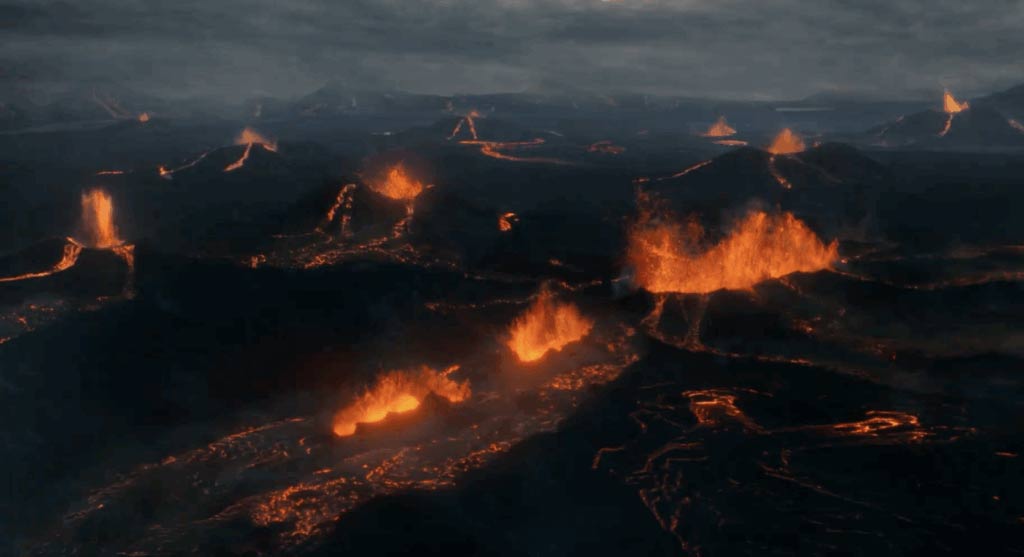
Beneath the frozen surface, volcanic activity continued to rage. For millions of years, massive eruptions released carbon dioxide and water vapor back into the atmosphere. These gases created a powerful greenhouse effect, slowly warming the planet and melting the ice sheets. The same volcanic activity pushed tectonic plates together, bringing small land masses together to form Earth's first known supercontinent, called Nuna.
Volcanic ash darkened the skies in some areas, while molten lava poured onto the ground, creating new rock formations. As the climate warmed, meltwater from glaciers created new rivers and reshaped coastlines. The Earth was entering a period of dramatic geological change.
The first natural nuclear reactor on Earth was formed
In what is now Africa, extraordinary conditions created the world's first natural nuclear reactor. Ancient uranium deposits, concentrated by microbial activity and buried by tectonic forces, reached a critical mass that allowed nuclear fission to occur naturally. This reaction continued for hundreds of thousands of years, releasing heat and energy deep underground.
Today, scientists study this rare phenomenon to better understand nuclear power and the safe storage of radioactive waste. This natural reactor shows that even in the distant past, the Earth's chemistry and geology could have produced powerful energy without human intervention. It remains one of the most extraordinary natural events in the planet's history.
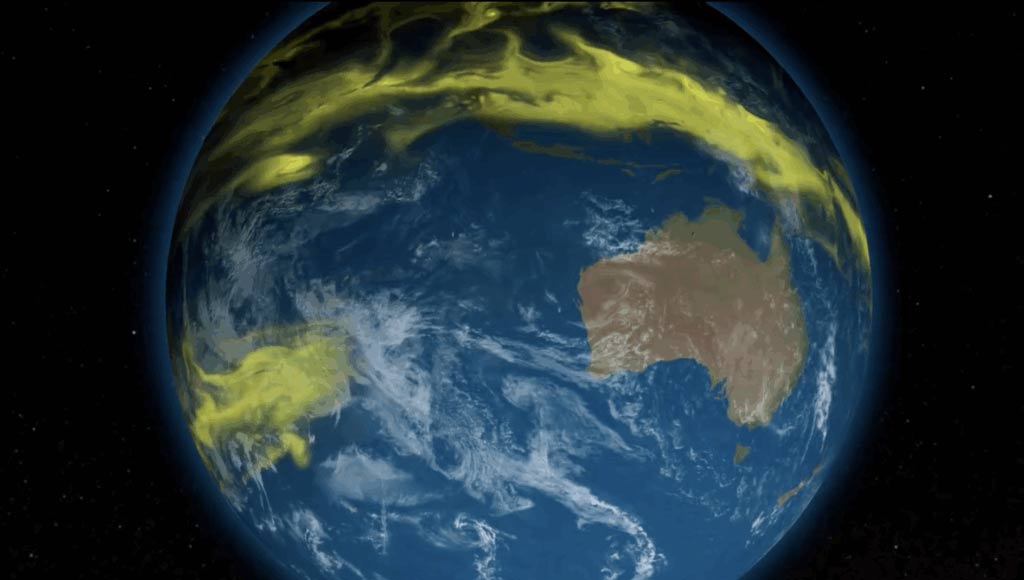
The foundation for complex life emerged
The small percentage of life that survived the ice age adapted to the oxygen-rich conditions. Some microorganisms evolved to use oxygen to breathe while producing carbon dioxide, which fueled photosynthesis by cyanobacteria. This cycle created a more balanced atmosphere and supported further development of life.
Oxygen in the atmosphere also began to form the ozone layer, protecting life from harmful ultraviolet radiation, and at the same time, opening up new habitats on land and in shallow water. Cells became more complex, developing nuclei and different internal structures. These early eukaryotic cells were the ancestors of all plants, animals, and fungi alive today. This was the starting point for the rich diversity of life we see on Earth today.
Final Thoughts
The best choice depends on your needs, compatibility requirements, and the trade-offs described above. Use the listed criteria to compare the options rather than relying on a single feature or headline.
FAQ
What should you consider when reviewing Ways the Earth Was Completely Different 2 Billion Years Ago?
Focus on compatibility, practical value, limitations, and the specific needs described in the article. What was the Earth like 2 billion years ago? How was the Earth formed today? The following section will find out together!
What should you know about The land is bare and lifeless?
If you visited Earth 2 billion years ago, you would not have seen any trees, flowers, or even a blade of grass. The land was a barren, rocky wasteland, devoid of any vegetation. There were no animals, not even insects or other small creatures.
How should you use this comparison or list?
Use it as a starting point, then verify current specifications, availability, safety guidance, and pricing when those details affect your choice.
Related Articles
 How Bad Is the Earth After 1 Billion Years1 minutes read
 History of Earth Formation and 25 Milestones (part I)10 minutes read
 When Did the First Rain Appear on Earth?3 minutes read
 The Galaxy Containing Earth Has a 'Second Heart', Which Is 13 Billion Years Old6 minutes read
 The End of the Earth Actually Happened About 250 Million Years Ago8 minutes read
 What Has Changed After 250 Million Years: Earth1 minutes read
Reader Comments 0
Sign in with email or Google to join the discussion.