Table of Contents
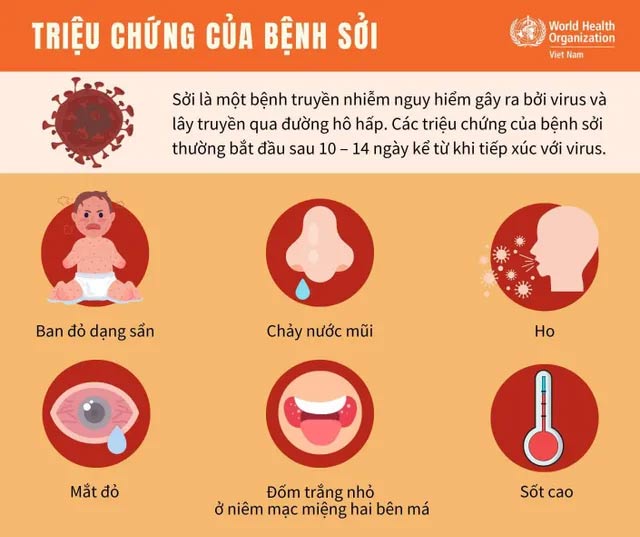
Measles usually starts with fever, cough, a runny nose and red or watery eyes. A rash often appears a few days later. If you think you or your child were exposed, call a health care provider promptly, even if no rash has appeared. Call before going to a clinic so staff can arrange care without exposing others.

What measles symptoms look like
Symptoms commonly start about one to two weeks after exposure. Small white spots can appear inside the cheeks. The rash typically starts around the face or hairline and spreads down the body. Fever may rise when the rash appears. The CDC’s symptom guide describes the typical sequence. A rash alone cannot confirm measles.
What to do after a possible exposure
Call your clinician or local public health department and tell them when you may have been exposed, which symptoms you have and whether you have records of measles vaccination. A clinician can advise on testing and whether a time-sensitive preventive option applies. While waiting for advice, avoid contact with others, especially infants and people with weakened immune systems. See the CDC’s guidance on illness or exposure.
Why prevention matters

Measles can cause complications such as pneumonia or inflammation of the brain. Vaccination is the main way to prevent it. Ask a clinician or local health department which vaccination schedule applies to you and whether an outbreak changes their recommendations.
Related Articles
 The basement is filled with lungs in Berlin and the telescope looks into the past
 10 Alarming Symptoms You Shouldn't Ignore
 Coronavirus outbreak brings back people who ran away from Facebook
 Nausea and diarrhea may be early symptoms of Covid-19, before you have a fever and cough
 Fix 7 common computer symptoms
 How a smart ring may help detect early COVID-19 symptoms
Reader Comments 0
Sign in with email or Google to join the discussion.