Table of Contents
This updated guide explores tips for preventing dog bites in children and when to see a doctor with practical details, clear explanations, and useful takeaways. Children are often bitten by dogs because they are not careful to avoid an aggressive dog or are confused when one approaches. Therefore, you need to teach your children how to deal with dogs, even pets. Here is what to do if your child is bitten by a dog and how to prevent it.
What to Do When a Child Is Bitten by a Dog
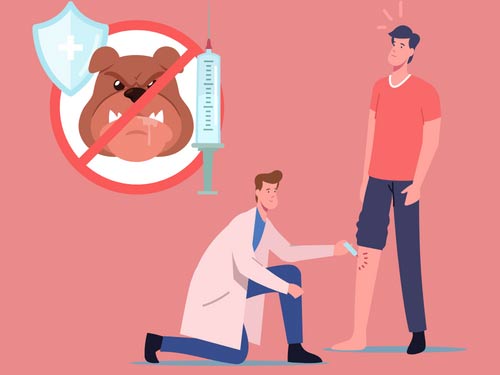
In young children, dogs often attack their legs, which are the most accessible. Provide first aid based on the severity of the injury:
- Minor wounds : Wash the wound carefully with soap and water. Apply a small amount of antibiotic cream to prevent infection.
- Deep Wounds : If the dog bites into the skin, causing a puncture and bleeding, apply pressure with a clean, dry cloth to stop the bleeding. See a doctor immediately.
It is best to take your child to the doctor Once possible after a dog bite, whether minor or severe.
After first aid, check these information to help best treat your child.
- If you know the dog's owner, ask them if the dog has had important vaccinations, including rabies vaccination.
- Find out if the dog was provoked to bite or if the action was unprovoked.
- Give your child first aid before taking him to the doctor.
When to Take a Child to the Doctor After a Dog Bite?
- Your child has redness, swelling, pain or irritation at the bite site.
- It is unknown if the dog has an infection or has been vaccinated.
- Bitten on the face or neck.
- The wound looks deep.
- The skin is punctured, at risk of bacterial infection.
- You cannot stop the bleeding after pressing for about ten minutes.
Treatment Process for Patients Bitten by Dogs
- Clean the wound to remove dirt.
- Rinse the bite thoroughly with clean water, preferably running tap water.
- Culture the wound if infected.
- Remove dead tissue.
- Keep puncture wounds open.
- Your doctor may prescribe antibiotics if there is a risk of infection.
- Your doctor may also recommend that you check the wound again within 24 to 48 hours for signs of infection.
- Wounds on the arms and legs are treated after consulting a surgeon.
Why Do Dogs Bite People?
Dogs often bite when they react strongly to something, specifically:
- If infected with rabies, they may bite for no reason.
- If they find themselves in a stressful situation
- To defend
- If they are scared, startled or feel threatened
- To protect something important to them, like puppies, food, or toys
- When they are sick and want to be alone
- If they get too excited while playing
Therefore, teach your child to understand the mood of the dog before approaching or playing with it. Also, you need to take some other measures to prevent dog bites.
How to Prevent Dog Bites
Here are some ways that can help prevent dog bites:
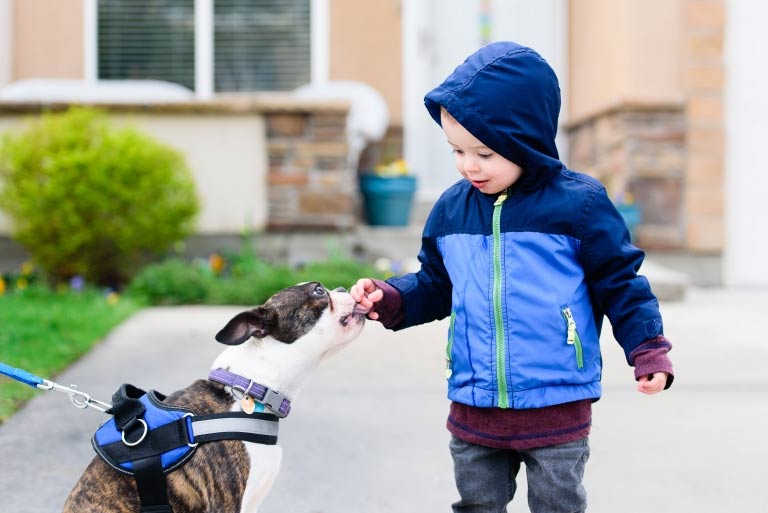
- Ask your child to avoid approaching or touching a strange pet dog or a dog wandering the street.
- If it is a pet dog and the dog's owner is with the animal, always ask them before you pet or touch the dog, even if it is familiar.
- Teach your child to follow child safety rules. Teach your child to walk away quietly and confidently if he or she encounters an aggressive dog. Teach your child to avoid eye contact with the dog.
- If a dog chases a child, the child should stand still and then take a defensive stance.
- If attacked by a dog, children should cover their head and neck with their arms and curl up.
- Tell children not to yell, run, or hit the dog.
- Help children understand dog behavior. Help them realize that dogs have likes and dislikes, just like they do.
- When a dog is resting in the crate, do not approach the dog.
- Keep your dog close to family. Isolating your dog can encourage bad behavior.
- It is not advisable to keep your dog confined all the time, as this can make him feel uncomfortable and become aggressive.
- Let it be free, but train it with appropriate measures.
- Children should not force the dog to play and should let it go if it does not like it.
- Tell children never to tease a dog or pull its ears or tail.
- Report aggressive or problematic stray dogs, as they may be sick and in need of medical attention, and can be dangerous to other dogs and people if left untreated.
- do not give children the responsibility of caring for a pet too soon or too soon after you introduce the animal into your family. Start slowly and supervise their activities.
- Help kids read dogs' body language:
- If the dog yawns, flattens its ears, or raises its paws, it means the dog is nervous about something.
- When a dog puts its tail under its belly or between its legs, lies down with one paw raised, or stares at you with its body stiff, it is probably feeling threatened.
- And if the dog growls or bites, then it is in a bad mood and wants to be left alone.
FAQ
What is the main takeaway about Tips for Preventing Dog Bites in Children and When to See a Doctor?
The key is to understand the core idea, compare the available options, and apply the practical guidance that matches your situation.
What should beginners know about Tips for Preventing Dog Bites in Children and When to See a Doctor?
Start with the essential steps and terminology. Avoid changing advanced settings until you understand how they affect performance, privacy, cost, or compatibility.
How can I use this information in practice?
Follow the relevant section in order, test one change at a time, and confirm the result before moving to the next step or recommendation.
Related Articles
 Simple Way to Prevent Mosquito Bites for Young Children7 minutes read
 How to Prevent Cough in Children: Preventing Cough for Children5 minutes read
 Simple Way to Identify Insect Bites11 minutes read
 How to Check Android Status Using Phone Doctor Plus7 minutes read
 9 Reasons Why You Get Mosquito Bites More Than Others4 minutes read
 12 Simple Tips to Be a Good Father: Spending Time with Children7 minutes read
Reader Comments 0
Sign in with email or Google to join the discussion.