Table of Contents
This updated guide examines The Ultra-slow 5400fps Camcorder Works Like a Human Eye and organizes the essential facts, background, and practical takeaways in clear American English.
To create motion when replaying, camcorders perform continuous shooting, usually at 24, 30 or 60 frames per second. This means that the camera will have to capture repeating images that take up space and processing power.
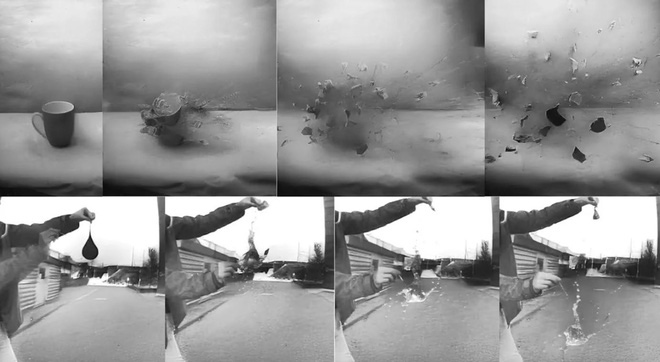
But the event camcorder is different, it will only record light changes on pixels instead of 'capturing individual images' like regular camcorders, increasing the range of light fluctuations, speed of feedback. and do not create blurring.
Invite the tracking process of testing the camera system 5400fps in the video below.
The ETH Zurich system is integrated with AI technology, making it possible to identify movements not only as manually as previous systems but also more intelligently and accurately. The video was shot from the event camera for 20% higher quality, and achieved an image speed of up to 5400fps so that it can create slow slow super motion videos.
Today, scientists are still testing this technology. But it will certainly play an important role in the technology of creating specialized cameras for slow motion videos, or even for future smartphones.
- China developed cameras that can take pictures 45km away, through fog and dust
- Why does today's smartphone have a higher resolution than professional cameras and cheaper resale prices?
FAQ
What is The Ultra-slow 5400fps Camcorder Works Like a Human Eye about?
It provides a structured overview of slow motion video, explains the main context, and highlights practical takeaways for readers.
Why does this topic matter?
Understanding the main concepts helps readers evaluate the issue, avoid common mistakes, and make better-informed decisions.
How should readers use this information?
Use the guidance as a practical starting point, confirm details that may have changed, and follow current product, safety, or security recommendations.
Related Articles
 Making Movies Is Easy with the Sony PXW-FX9 Camcorder That7 minutes read
 FITT360 Helps You Take Photos, Record 360-degree Videos Without Holding the Camera3 minutes read
 How to Create Slow-motion Video with Super Slow Motion on Galaxy S95 minutes read
 What Is Ultra Wideband and Its Effect on Iphone 116 minutes read
 Very Slow Movie Player- a Strange Device That Displays 24 Pictures/hour Turns a 2 Hour Movie 173 minutes read
 Is There a Difference Between 4k and Ultra Hd (Uhd)?5 minutes read
Reader Comments 0
Sign in with email or Google to join the discussion.