Table of Contents
New Breakthrough: Using a "Sugar Coating" to Eliminate Drug-Resistant Superbugs
Australian scientists have discovered a method to "unmask" drug-resistant bacteria by targeting a unique sugar on their surface. This strategy has successfully eliminated fatal infections in mice and opens up new avenues for immunotherapy treatment of superbugs in hospitals.
Discover the "Achilles' Heel" of Bacteria
Researchers in Australia have developed a promising strategy to combat bacteria that are no longer responsive to antibiotics. The research team designed antibodies capable of binding to a specific pathway found only on bacterial cells. This lays the groundwork for a new generation of immunotherapy against multidrug-resistant infections in hospital settings.
The research was published in the journal Nature Chemical Biology. In clinical trials, this artificial antibody completely eradicated the deadly infection in mice by binding to a specific sugar molecule and "signaling" the immune system to destroy the pathogen.
Why are bacterial pathways the only targets?
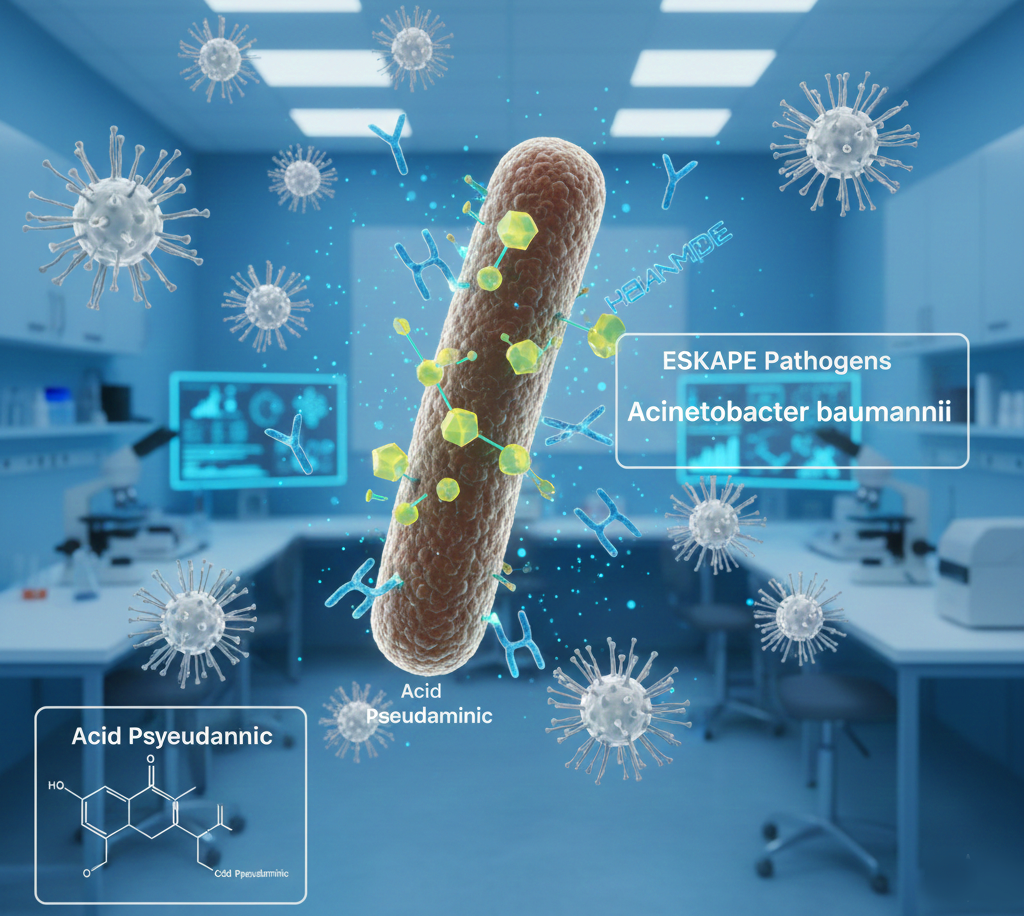
The new antibody targets a sugar molecule called pseudominic acid. Although structurally similar to sugars in human cells, this molecule is produced only by bacteria. Many dangerous pathogens use it as a crucial protective coating on their surface to survive and evade immune system attacks.
"This research demonstrates the power of combining chemical synthesis with biochemistry, immunology, and microbiology," said Professor Richard Payne from the University of Sydney. "By precisely recreating these sugars in the lab, we have gained a deep understanding of their molecular structure and developed antibodies with extremely high specificity."
Because the human body doesn't produce this type of sugar, it becomes a prime target for immunotherapies without the risk of harming healthy cells. The research team created a "pan-specific" antibody capable of recognizing the same sugar across many different species and strains of bacteria.
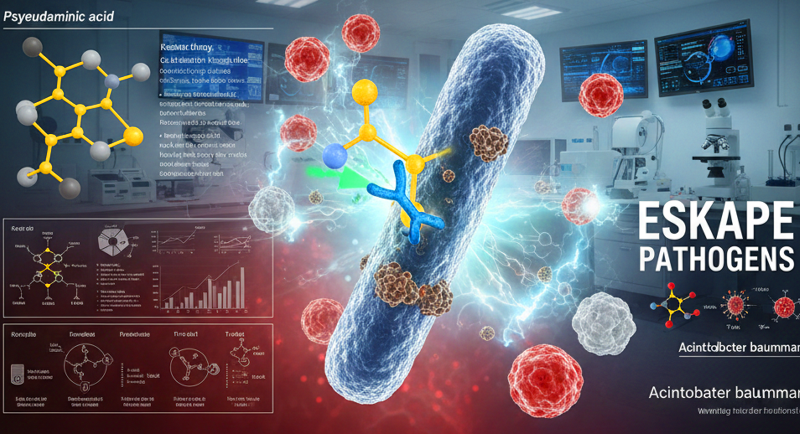
In studies on mice, antibodies eradicated multidrug-resistant Acinetobacter baumannii bacteria. This is a notorious bacterium that causes pneumonia and bloodstream infections in hospitals and is extremely difficult to treat with conventional antibiotics.
Passive immunotherapy works by directly delivering available antibodies to the patient to control the infection immediately, instead of waiting for the patient's own immune system to respond.
Application: Protecting high-risk patients in intensive care units (ICUs).
Diagnosis: This antibody also helps scientists map how bacteria change and cause disease, thereby improving diagnostic methods.
Towards clinical application
Over the next five years, the team aims to translate these findings into practical treatments, focusing on the bacterium A. baumannii. If successful, this would be a major step forward in the global effort to combat antimicrobial resistance (AMR) and eliminate one of the most dangerous members of the ESKAPE pathogen family.
Related Articles
 Drug-resistant Bacteria Greatly Affect People Living in Nursing Homes4 minutes read
 Accidentally Discovered a Drug That Kills Antibiotic-resistant Bacteria in...4 minutes read
 New Parylene Coating Technology Helps Computers Work Underwater Explained3 minutes read
 How Did Bacteria Learn to Fight Antibiotics?7 minutes read
 Komodo Dragon Blood Helps Fight Antibiotic Resistant Bacteria5 minutes read
 How to Cook Sugar Water to Make Moon Cakes6 minutes read
Reader Comments 0
Sign in with email or Google to join the discussion.