Table of Contents
The fossil remains of a giant bat that once lived in New Zealand millions of years ago were discovered by a group of international scientists led by UNSW Sydney. This article explains the key facts and context behind fossils.
Key Facts About Fossils
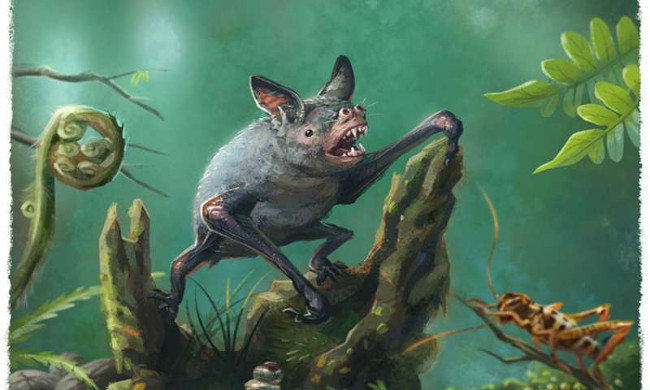
The teeth and bones of this extinct bat are about three times the size of normal bat today. Its fossils were recovered from 19 to 16 million year old sediments near the town of St Bathans in Central Otago.
This study by Australian, New Zealand, British and American scientists has been published in Scientific Reports.
Why Fossils Matters
This burrowing bats are only found in New Zealand, but they may also have lived in Australia. This bat is very special because it not only flies but also runs on all fours, on the floor of forest leaves, foliage, or moves along the canopy of trees, branches looking for food that are animals and plants.
With an estimated weight of 40 grams, the new fossil was found to be the largest known bat. It is also the first new bat to be added to New Zealand's fauna for over 150 years.
It was named Vulcanops jennyworthyae, after Jenny Worthy member found the bat fossil.
However, the dense molars of Vulcanops and large size show that it has different diets, being able to eat more plant food than small vertebrates - a diet like some species of their relatives in South America.
See more:
- The remains of dinosaur suspects were discovered in Uttarakhand, India.
- The rare giant 'living fossil' salamander stuck two years in the sewer line.
- 530 million year old fossils have eyes like bees, dragonflies today.
FAQ
What is fossils?
The fossil remains of a giant bat that once lived in New Zealand millions of years ago were discovered by a group of international scientists led by UNSW Sydney.
What makes fossils notable?
This article explains the key facts and context behind fossils.
What are the key facts about fossils?
Key Facts About Fossils The teeth and bones of this extinct bat are about three times the size of normal bat today.
Related Articles
 Giant 115-million-year-old Ancient Shark Discovered in Australia6 minutes read
 The Largest Freshwater Turtle Ever Existed with a Length of up to5 minutes read
 Giant Pandas May Originate from Europe3 minutes read
 The Mystery of the 290-million-year-old Giants Challenges2 minutes read
 The Second Time the Ancient Fossil '3 in 1' Was Discovered3 minutes read
 India First Discovered Fossils of Fish Lizards3 minutes read
Reader Comments 0
Sign in with email or Google to join the discussion.