Table of Contents
The DJI Mini 5 Pro combines a 1-inch camera sensor with a compact folding body, flexible gimbal movement, and obstacle sensing supplemented by forward-facing LiDAR. It is worth considering if those camera and tracking features solve a specific shooting need, but its weight, battery configuration, and local operating requirements need careful checking.
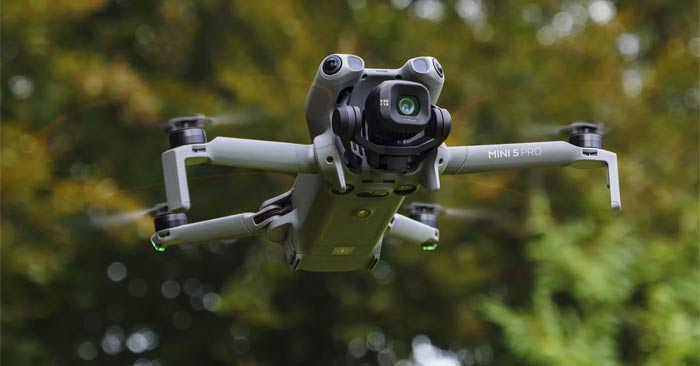
Key specifications
| Feature | DJI specification |
|---|---|
| Camera | 50MP 1-inch CMOS sensor |
| Video | 4K up to 60fps; slow-motion capture up to 4K/120fps or Full HD/240fps |
| Stabilization | 3-axis gimbal with roll rotation |
| Sensing | Omnidirectional vision system, forward LiDAR, and bottom infrared sensor |
| Transmission | O4+ |
| Standard battery | 2,788mAh |
| Published takeoff weight | Approximately 249.9g, with stated variation |
Check DJI's current specifications for mode restrictions, test conditions, and the configuration sold in your region. A maximum transmission-distance figure is not permission to fly that far.
What the camera adds
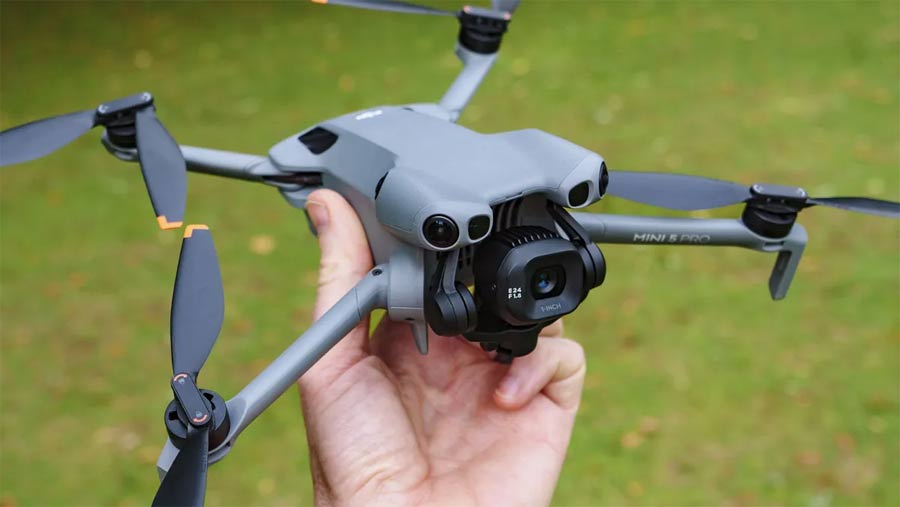
The larger sensor and high-frame-rate recording give creators more options than a basic camera drone. Slow motion is useful for brief movements, while portrait framing and gimbal roll can help with different delivery formats. Choose a recording mode based on the final video rather than always selecting the highest frame rate.
Color profiles intended for grading add work after capture. If you want footage ready to share with minimal editing, start with a standard profile. A demanding workflow also needs suitable storage and a computer that can handle the files.
Tracking and sensing still need supervision
ActiveTrack, QuickShots, and other automated movements can help repeat a shot, but they do not replace pilot attention. Thin obstacles, changing light, moving subjects, and route geometry can challenge sensing. Check the area before starting a movement and leave room to stop.
DJI's beginner guide explains the supported shooting and flight features. Practice manual control and return procedures before relying on automation near obstacles.
Weight and battery configuration matter
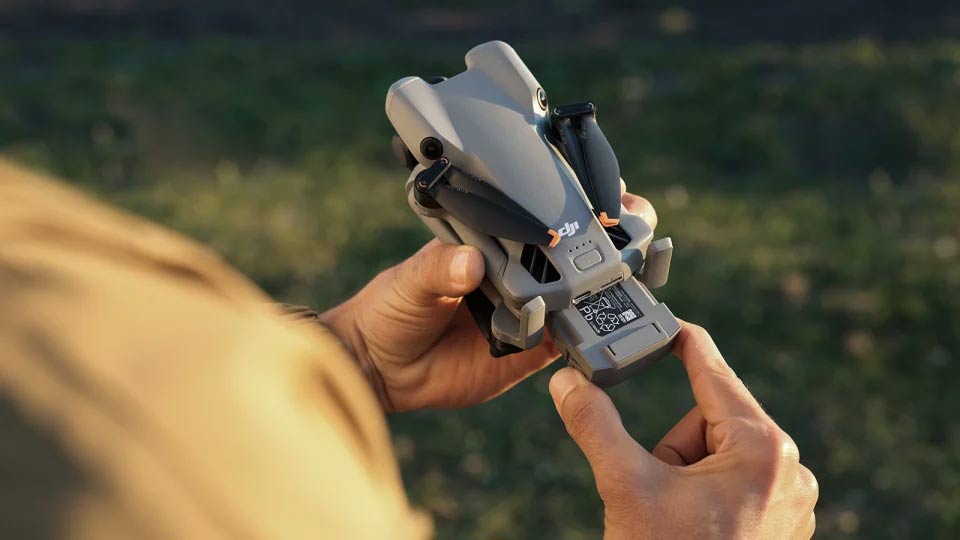
Do not assume every Mini 5 Pro setup is under 250g. DJI states weight variation and distinguishes C0 and C1 packages in its regional specifications. Adding the larger battery or accessories can change the applicable configuration. Confirm the actual equipment and current local requirements before flying.
Advertised maximum flight time is measured under test conditions. Wind, recording, tracking, temperature, and a safe return reserve reduce the time available for a shoot. Plan a landing margin instead of treating the maximum as usable working time.
Compare packages by what you need
Check the controller, batteries, charger or charging hub, accessories, and warranty included in each package. A screenless controller requires a suitable phone setup; an integrated-screen controller changes both convenience and cost. Historical prices in another currency do not establish today's local value.
The Mini 5 Pro makes the strongest case for someone who will use its camera flexibility and tracking features regularly. For occasional daylight clips, compare the complete cost with a simpler model before paying for capabilities you may rarely use.
Related Articles
 This drone can identify anyone with a fever and cough
 Contemplating the performance of the drone model has a tremendous 'evasion index'
 Drone sets record for flying continuously for 40 days and still hasn't landed
 Amazon patents a drone self-destruct in an emergency
 Learn about mini PC
 Dell Mini 10, 'half-hearted' choice
Reader Comments 0
Sign in with email or Google to join the discussion.