Table of Contents
This guide provides a practical overview of Close-up of the World's Largest Crane, Capable of Lifting 5,000 Tons of, including its main features, benefits, limitations, and important considerations.
The world's largest crane is capable of lifting 5,000 tons of cargo at a time. It is currently working at the Hinkley Point C nuclear power plant, England, with the task of assisting engineers to put pre-assembled parts of the power plant into position. Big Carl will lift over 600 parts for the power plant, including the heaviest parts.
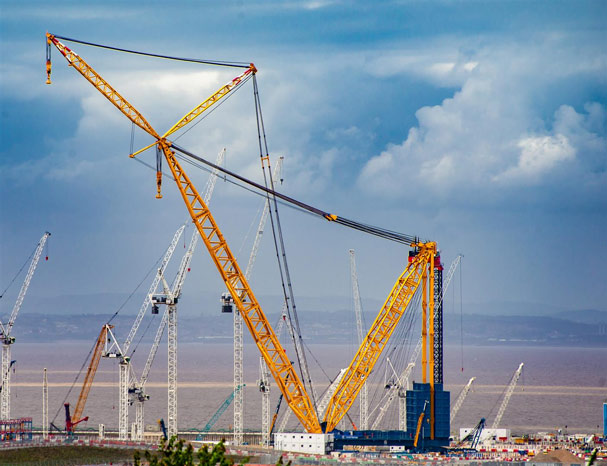
Big Carl was completed in Belgium and the crane was then divided into 280 parts for transport to a pier. It takes a total of 10 weeks and at least 5 other cranes to transport Big Carl to Hinkley Point C. It will work at Hinkley Point C for 4 years, before being dismantled.
The US $ 24 billion Hinkley Point C nuclear power plant project will be the first new nuclear reactor in the UK since 1995 and one of the largest construction projects in the world.
You can see some close-up shots of the world's largest crane Hinkley Point C in the video below.
FAQ
What should I know about Close-up of the World's Largest Crane, Capable of Lifting 5,000 Tons of?
Focus on the key features, requirements, limitations, and practical use cases explained in this guide.
How do I get the best results with Close-up of the World's Largest Crane, Capable of Lifting 5,000 Tons of?
Follow the recommended steps, use current software or information, confirm compatibility, and review settings before major changes.
Are there any risks or limitations?
Potential limitations depend on compatibility, data quality, cost, privacy, support, and how the product or method is used.
Related Articles
 Close-up of the World's Largest Excavator Super Monster, Weighing up to3 minutes read
 World's Strongest Magnet Coil6 minutes read
 What Is Payroll Crane: What Is Payroll? What Does Payroll Mean?3 minutes read
 Eliport Robots Will Deliver Goods Without Humanity3 minutes read
 This AI System Can Better Control Ship Collision at Sea Than4 minutes read
 Troll a Natural Gas Drilling Rig3 minutes read
Reader Comments 0
Sign in with email or Google to join the discussion.