Table of Contents
This article examines Blood Tests Can Reduce the Risk of Liver Damage from Paracetamol Overdose. It presents the main facts, practical implications, and key points in a clearer, easier-to-follow format.
Understanding Blood Tests Can Reduce the Risk of Liver Damage from Paracetamol
Researchers at the University of Edinburgh in the UK say that tests that detect specific levels of blood in the blood will help doctors identify patients who need more intense treatment after paracetamol overdose. This method will also help speed up the development of new therapies for liver damage.
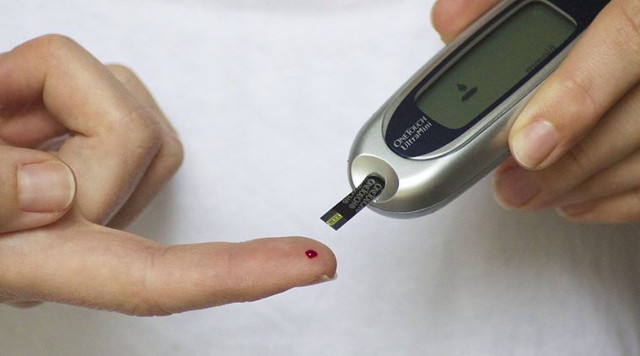
The test found three different molecules in the blood that are involved in liver damage - called miR-122, HMGB1 and FL-K18.
The study, published in the journal Lancet Gastroenterology and Hepatology, evaluated the level of three molecular markers in more than 1,000 patients requiring treatment after overdosing paracetamol.
They found that this test can accurately predict whether the patient will develop liver problems, and who needs to be treated longer before leaving the hospital when the body abuses paracetamol overdose.
FAQ
What is the main point of Blood Tests Can Reduce the Risk of Liver Damage from Paracetamol Overdose?
Researchers at the University of Edinburgh in the UK say that tests that detect specific levels of blood in the blood will help doctors identify patients who need more intense treatment after paracetamol overdose. This method will also help speed up the development of new.
Why is Blood Tests Can Reduce the Risk of Liver Damage from Paracetamol Overdose important?
Blood Tests Can Reduce the Risk of Liver Damage from Paracetamol Overdose matters because it can affect how readers understand, choose, use, or respond to the subject discussed in the article.
What should readers verify about Blood Tests Can Reduce the Risk of Liver Damage from Paracetamol Overdose?
Check the date, product or software version, compatibility, and any current guidance before acting, especially when technology, security, health, or pricing is involved.
Related Articles
 4 Seemingly Harmless Foods That Can Damage the Liver6 minutes read
 'Elixir' for Health but Everyone Is Throwing Away Without Knowing It4 minutes read
 Using Statins Can Reduce the Risk of Dangerous Blood Infections3 minutes read
 New Blood Tests Help Detect 8 Types of Cancer Early4 minutes read
 What Is Good for the Liver, Effective Cooling of Liver and Acne?6 minutes read
 Medications Help Clean Blood Vessels, Reduce Blood Fat Families4 minutes read
Reader Comments 0
Sign in with email or Google to join the discussion.