Table of Contents
Technology is rife with half-baked hype, clever marketing, and myths that never go away. Some sound plausible, pushed by companies to sell you products you don't need, and others are just plain old bad. Regardless of where they come from, they end up draining users' wallets.
7. Expensive cables improve quality
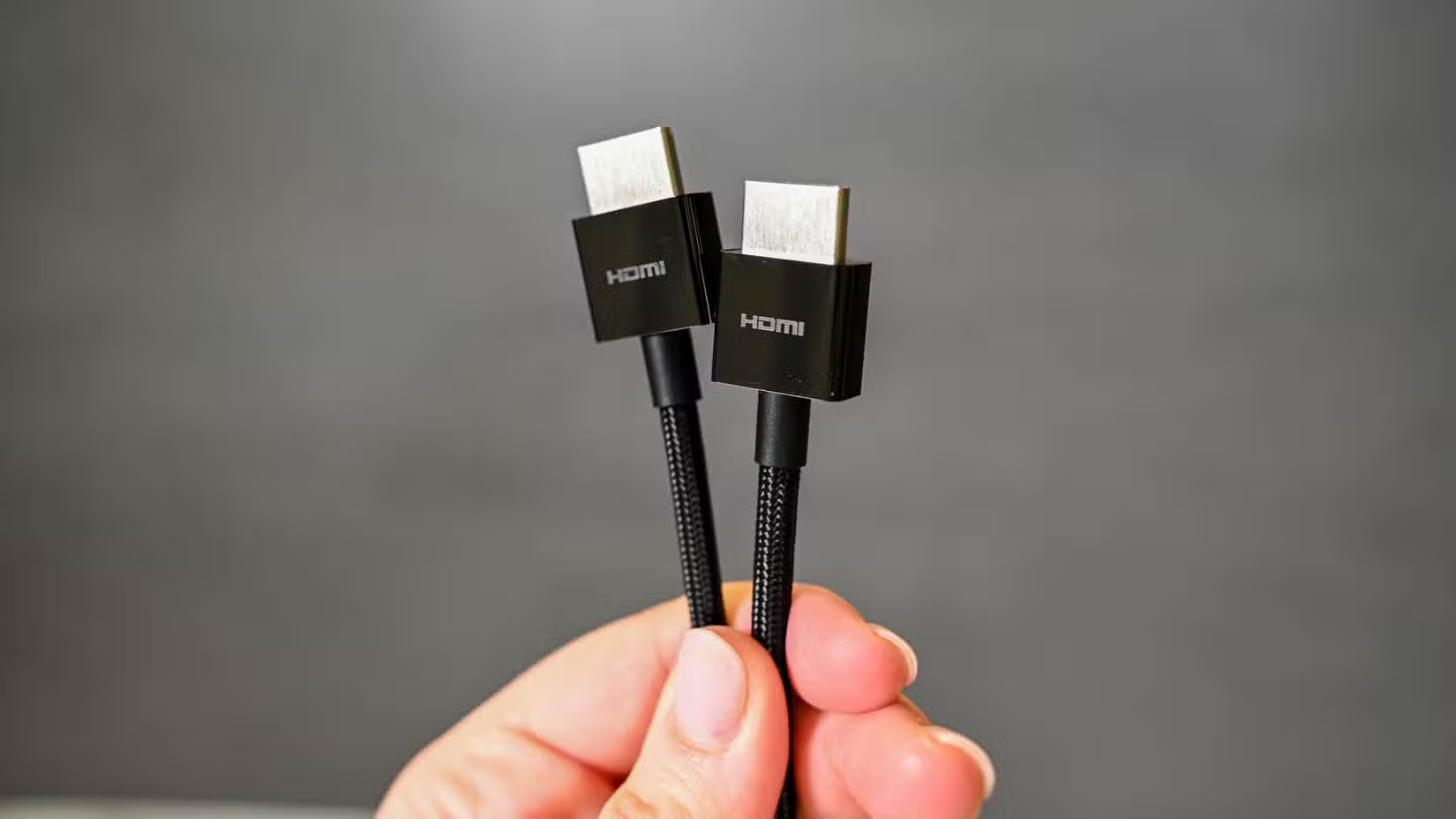
Walk into a big box store and you'll see cables (HDMI, audio, etc.) lined up with prices ranging from a few hundred to a million dollars. Salespeople often advertise that expensive cables promise 'superior' picture and sound. This is simply not true.
A cheap HDMI cable that meets the specifications and is a reasonable length (say, 1 to 5 meters) will deliver the same picture and sound as a premium cable of the same length. That's because digital signals have nothing to do with price. They're binary - either the ones and zeros pass through intact, or they don't. There's no line in the sand where an expensive cable can make your picture look as premium as the cable itself.
6. The more megapixels, the better the camera
Remember how many times you heard your friends brag about the '200 megapixel camera' on their phone as if it were some kind of fancy way to take pictures? But the truth is, megapixels are primarily about image size, not quality. A 12 megapixel camera with a large sensor and good software will beat a 64 megapixel camera with a cheap lens in every situation. Apple knows this, which is why they stuck with 12MP cameras for years and still produce the best photos.
5. Bigger TV always means better picture quality
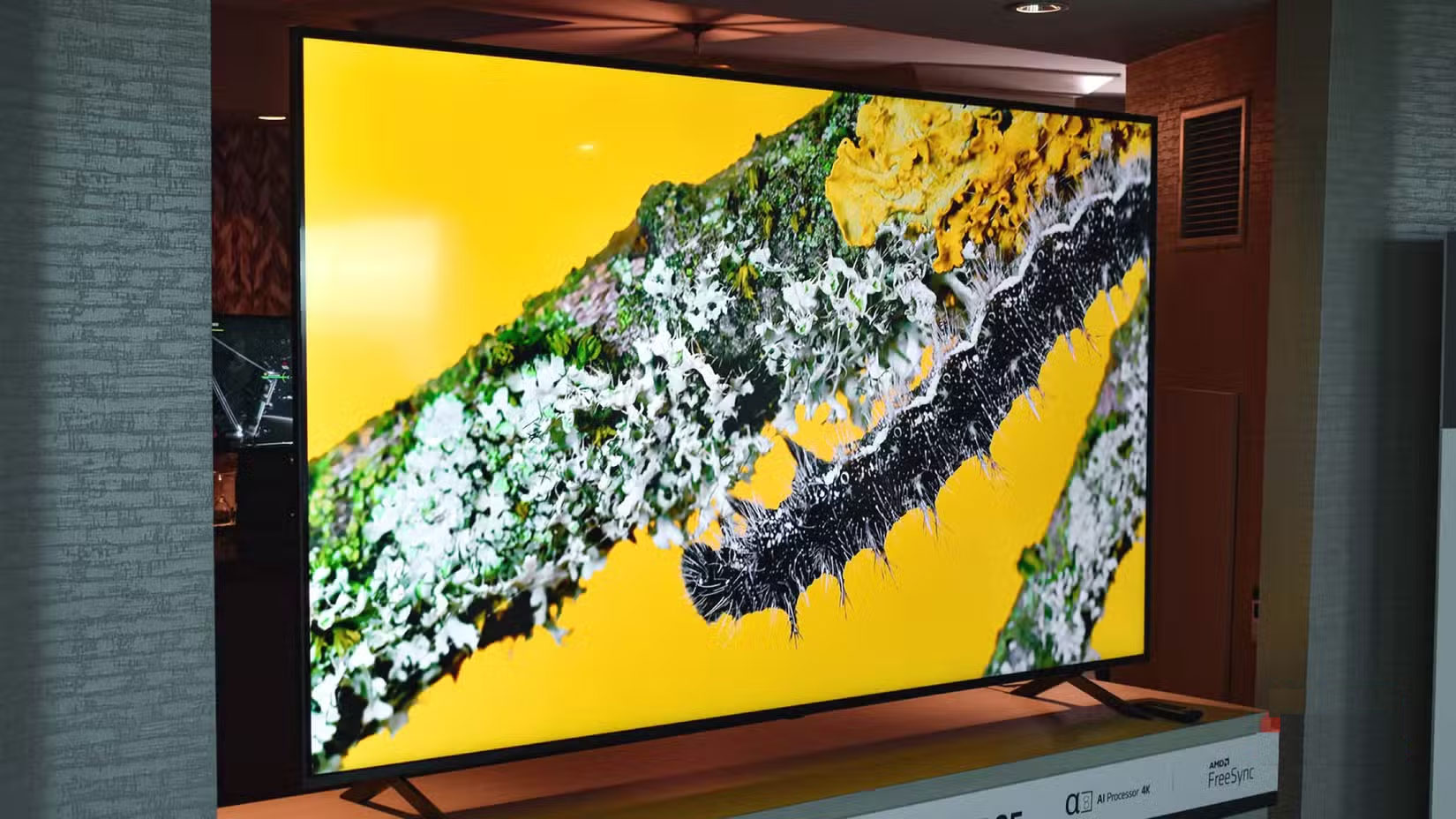
The 'bigger is better' mentality has led to the overwhelming presence of giant TVs in living rooms, but larger sizes don't necessarily mean a better picture. In fact, they can sometimes make things worse. Of course, manufacturers love this misconception, because larger screens mean higher profits, and many buyers assume that larger screens mean a better viewing experience.
A large screen can certainly provide a cinematic feel, but true comfort comes from more than just size. Image quality is determined by where you sit, the screen resolution, the room lighting, and the panel technology, such as OLED, QLED, QNED, or Mini-LED. Sitting close to an oversized, low-resolution screen will result in pixelation and strain on your eyes instead of complete immersion.
4. Antivirus software is a must have on every device
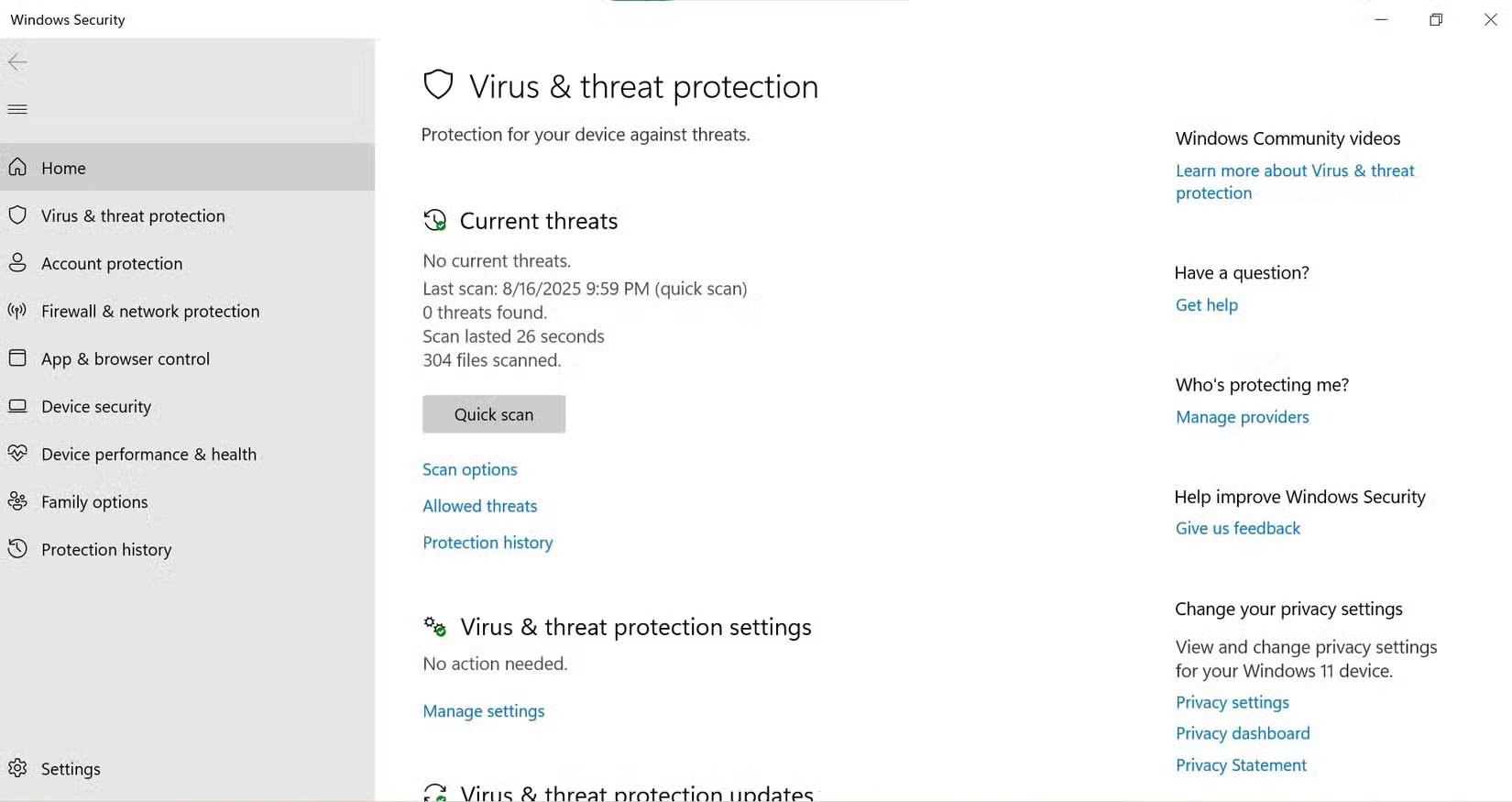
When Windows first made antivirus software a must-have, people somehow assumed that every device needed expensive security software. But times have changed. Today, operating systems like macOS, Windows 10/11, and even many Linux flavors come with robust built-in defenses like sandboxing, regular security updates, and behavior monitoring. For most people who maintain good habits, like avoiding browsing and downloading bad content, detecting phishing attempts, and perhaps running an ad blocker in their browser, those built-in protections are more than enough.
3. Brand new technology is always better
There's a strange obsession with buying the latest gadget as soon as it comes out, as if last year's technology has suddenly turned to dust. Companies love this narrative because it encourages upgrades, but it's rarely true.

Last year's flagship phone will often outperform this year's midrange model, and a 2- or 3-year-old laptop can still handle everyday tasks just as well as a new one. Upgrading just because it's 'new' is like replacing your perfectly good car every year just because the dealer has a flashier one. It may look better aesthetically, but it may not perform any better in real-world use.
2. Expensive gaming PCs and gear mean instant professional performance
This myth always makes people laugh, because it assumes that skill is in the hardware. Spending $5,000 on a rig or buying the 'top of the line' PC peripherals doesn't automatically make you a good gamer. If you have bad aim or slow reflexes, some kid with a cheap rig can still beat you.

High-end hardware can certainly improve graphics and frame rates, but the gameplay itself won't.
1. Extended warranties are always worth it
An extended warranty sounds like a good idea since tech breaks, right? However, most of the devices we buy (phones, laptops, TVs) come with a manufacturer's warranty built in. While this warranty doesn't cover everything, it does cover most, if not all, of the manufacturing defects you're worried about. If something does go wrong, you can usually find a reputable repair shop to fix it for a fraction of the cost of an extended warranty.
If you're someone who upgrades your equipment every few years or simply takes good care of it, the chances of you needing expensive repairs after your warranty is very low. And as we've seen, paying for routine repairs when they're needed is almost always cheaper than shelling out money for insurance that you'll probably never use.
Final Thoughts
Overall, 7 Tech Misconceptions That Sound Smart but Are Actually a Waste of Money is best understood by considering the main facts, practical context, and limitations together. Use the details above as a clear starting point and confirm time-sensitive information when necessary.
FAQ
What does this article explain about 7 Tech Misconceptions That Sound Smart but Are Actually a Waste of Money?
Technology is rife with half-baked hype, clever marketing, and myths that never go away. Some sound plausible, pushed by companies to sell you products you don't need, and others are just plain old bad.
What should you know about 7. Expensive cables improve quality?
Walk into a big box store and you'll see cables (HDMI, audio, etc.) lined up with prices ranging from a few hundred to a million dollars. Salespeople often advertise that expensive cables promise 'superior' picture and sound. This is simply not true.
Should time-sensitive details be verified?
Yes. Software features, game codes, product specifications, prices, and research findings can change. Confirm important details with an official or primary source when accuracy affects your decision.
Related Articles
 8 Tech Gadgets You Shouldn't Waste Money On6 minutes read
 10 Common Myths About Computers That You Often Believe11 minutes read
 The Truth About Recycling E-waste and Its Effectiveness10 minutes read
 How to Save Money When Upgrading Your Smart TV8 minutes read
 Different Ways to Classify Waste: Complete Guide5 minutes read
 7 HDMI Tweaks That Instantly Improve Picture and Sound on Any Smart TV7 minutes read
Reader Comments 0
Sign in with email or Google to join the discussion.