Table of Contents
Overview
This guide covers most anticipated AI trends in 2025 in clear, practical terms. It covers the key concepts, recommended steps, common limitations, and useful checks so you can make a better-informed decision.
With AI tools surging in popularity after the launch of ChatGPT in 2023, 2025 is shaping up to be a huge year for Artificial Intelligence (AI). Here are the most anticipated AI trends in 2025.
1. Wider adoption of voice/vision-based AI assistants

With advances in natural language processing (NLP) and computer vision, AI assistants are becoming more adept at understanding and responding to human commands. Voice and vision-based AI assistants have already begun to make their mark on our everyday lives, but 2025 is set to be a breakthrough year for these technologies.
By 2025, we can expect to see these AI assistants seamlessly integrated into many different aspects of our lives, transforming the way we interact with our devices and environments. We will see a significant expansion in both the capabilities and adoption of voice and vision-based AI assistants. These assistants will perform more complex tasks, understand nuanced language, and interact with us through visual cues.
2. Better search experience
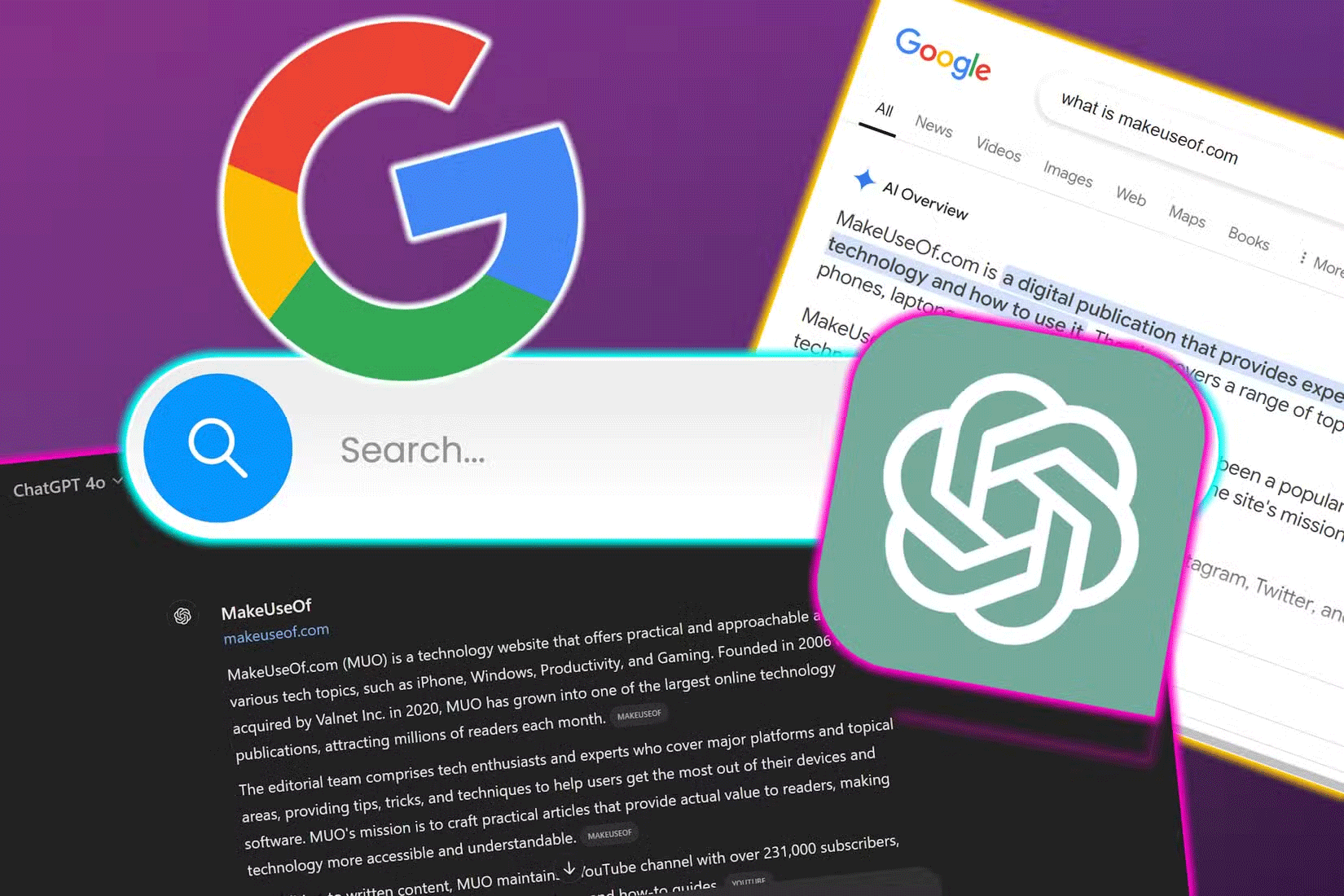
Traditional search engines rely heavily on keywords. While effective, this approach often falls short when dealing with complex or nuanced queries.
AI is poised to revolutionize search by moving beyond keywords to a deeper understanding of context and intent. Instead of relying solely on keywords, AI-powered search experiences will be able to understand the intent behind your queries and the context of your search, providing more relevant and meaningful results.
We're also moving toward conversational search, where you can interact with search engines using natural language. Instead of typing 'best Italian restaurant near me,' you can just ask 'Where should I go for Italian food tonight?' This will make information retrieval feel more like a conversation with a knowledgeable friend than a rigid interaction with a machine.
3. Deeper integration with productivity tools

By 2025, AI will be more deeply integrated with productivity tools, transforming the way we work. From streamlining workflows to automating routine tasks, AI is set to become a game-changer for productivity.
As productivity tools evolve, AI will be able to automate repetitive and time-consuming tasks such as data entry, report generation, and email management. This will free up valuable time for employees to focus on more creative and strategic activities.
4. An Early Look at AI Agents and AGI

Artificial General Intelligence (AGI) and agentic AI represent the next frontier in AI development. While we may not achieve full AGI by 2025, we can expect to see early glimpses of this technology that will pave the way for more advanced AI systems.
Unlike narrow AI, which is designed for specific tasks, AGI aims to perform any intellectual task that humans can. Early versions of AGI will demonstrate a broader range of capabilities, from language understanding and reasoning to general problem solving and creativity. In addition, the pursuit of AGI will spur significant advances in AI research, leading to breakthroughs in machine learning, artificial neural networks, and cognitive computing.
While agentic AI is not AGI, it represents an important step in that direction. By developing AI systems that can operate independently and solve problems, we are laying the groundwork for more general-purpose intelligence. Early AGI systems will essentially manifest, in part, through the rise of agentic AI by 2025.
Key Takeaways
Use the guidance above as a practical reference for most anticipated AI trends in 2025. Check compatibility, follow the steps carefully, and verify important details with official documentation when software, security, accounts, health, or purchases are involved.
FAQ
What is the main point of this article?
This article explains 4 most anticipated AI trends in 2025, including the central facts, context, practical implications, and details needed to understand the topic.
Why does this topic matter?
It may affect performance, cost, safety, convenience, purchasing decisions, or how people understand a broader development.
Could the information change over time?
Yes. Product details, software features, prices, policies, codes, and news developments can change, so verify time-sensitive information with official sources.
Related Articles
 11 Technology Trends of 2017: Tips and Examples8 minutes read
 5 Smartphone Trends That Should Be Eliminated7 minutes read
 Google Trends: Discover What the World Is Looking For?9 minutes read
 World Tourism Development Trends in 2025: Complete Guide7 minutes read
 Nutrition & Food Consumption Trends of 20254 minutes read
 Top 7 Most Anticipated Games of 20239 minutes read
Reader Comments 0
Sign in with email or Google to join the discussion.