Table of Contents
30 Terms You Should Know When Using the Internet is easier to understand when the core ideas are paired with practical examples. The sections below explain the topic clearly, highlight useful steps, and point out details that can prevent common errors.
Like any culture, the Internet has its own terms. If you have trouble understanding web language or encounter new words that appear and wonder what it means, read the following article. Here, we will explain some common Internet terms.
- Popular IT terms in English
1. 404
This is one of the most common errors, 404 means that the website you are visiting does not exist. Normally, you will see this error when clicking on a link that no longer exists or entering the wrong address into the web browser.

- Common computer errors and remedies (Part 1)
2. Add-on / extension (Extensions)
Add-on (in Firefox) or extension (in Chrome) are small software that provides additional functionality for the browser. Although they bring many benefits, they also have potential privacy risks. One thing to note is that the add-on is different from the plugin. Plugins like Java and Flash Player help access a specific type of content on the page.
- Listed 15 Chrome Extension for programmers
- 5 Firefox Quantum add-ons are best for web developers
3. Anime (Animation)
Although anime is a Japanese term for general animation, but in other places anime is only for Japanese animation. Anime typically has expressive characters and vivid colors. It is different from manga, the term for Japanese comics.
- 5 free comic reader apps on Android you should know
4. Archive (Archive)
Storage is the act of deleting data from the operating environment but keeping it somewhere else for use when needed. As an example,, you can store some old photos on the second hard drive. Note, store and backup are two different terms. Backup is to create a copy of the data in case it is lost while storing, it is to store data that is not used often in another place.
5. Bandwidth
Bandwidth refers to the maximum throughput of data, typically on a network. The wider the bandwidth, the more operations you can handle at once.
As an example,, if you stream video to TV at the same time as downloading large files on your computer, you will see the gaming experience affected. This is because you have used most of the bandwidth for streaming and downloading data. After completing these operations, your bandwidth will be freed for other activities.
6. Blog (Online Diary)
Blogs are simply a site that posts content regularly, often with articles about their feelings about a certain issue. All blogs are websites, but all websites are not blogs. You may have heard the term 'microblogging' (short blogging), a convenient combination of instant messages and blogs.
7. Clickbait
Clickbait is a term for articles with headlines that stimulate the viewers' curiosity so that they click on them. typically, Clickbait article titles use sensational language, promising interesting content for readers. People often use the term to refer to any article they don't like, that's not true.
8. Cloud (Cloud)
Cloud is a common term for a set of servers for Internet services. Dropbox, Gmail and Office Online are cloud services because remote servers perform tasks instead of computers.
9. Cookies
A cookie is a small piece of information on a computer that a website uses to track your data between sessions.
- How to delete cache and cookies on Chrome, Firefox and Coc Coc
10. Crowdfunding (Calling community capital)
Calling community capital is the act of raising money for a new project by donating online. A number of popular community fund raising websites are Kichstarter and GoFunMe.
11. Dark web (Dark Web)
Dark web is the name for web pages that users cannot access without special software. These websites are not indexed by Google and are often illegal or dangerous. However, not all dark websites have bad content.
12. Doxing (Stealing information)
Doxing is the act of collecting other people's personal information and making it public on the Internet (often for bad purposes).
13. Embed (Content Embedded)
Content Embedded simply integrates content from one source to another online.
- Embed video into simple website with 6 ways
14. Encryption (Encryption)
Simply put, encryption is pure text tampering so no one except the recipient can read the content. Encryption protects user information when they pay online or perform other security activities.
- Top 20 best encryption software for Windows
15. Firewall (Firewall)
A firewall is a type of security software that limits network traffic to and from your device. It protects your PC or phone from dangerous data packets before they can be harmful.
16. Hashtag
Hashtag is a simple metadata that appears on social networking posts like Twitter and Instagram. It allows you to bookmark your post so others can easily search. Refer to the article Twitter user guide for new users.
17. Hotspot (Hotspot)
In general, only one device hotspot or location you can access the Internet via Wi-Fi. Hostpot may also refer to the functionality of smartphones that transmit Wi-Fi using mobile data. In addition, phone companies sell many mobile transmitters to provide Wi-Fi everywhere.
18. HTTP
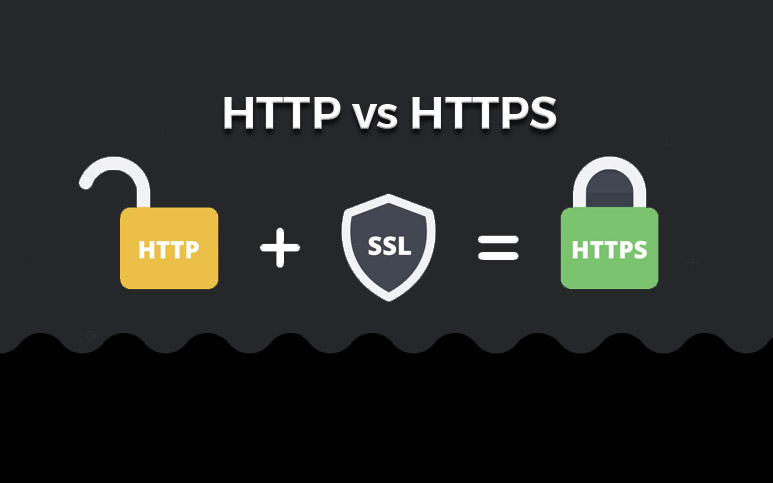
HTTP stands for Hypertext Transfer Protocol, which is the foundation of today's web. It provides a process for the web browser to request information from the web host, then display the information to you. HTTPS is a secure version of HTTP, protecting users by encrypting the session.
19. Internet of Things (Network of Things)
Internet of Things (IoT) only extending the Internet connection to previous devices cannot exchange data with each other. Unlike computers and phones that need people to work, IoT devices can communicate without their intervention.
20. IP address
An IP address is a number assigned to every device connected to the Internet. Each device on your home network has an internal IP address that only those devices can see.
21. Lurk
The term Lurk refers people to forums or social networking sites but does not participate in online activities. As an example,, you watch twitter without an account or check Reddit day by day without comment.
22. Malware (Malware)
Malware is combined from malicious (malicious) and software (software) to refer to general malicious software. Viruses, trojans, ransomware, spyware, adware, and other viruses are all malicious software.
- Remove root malware (malware) on Windows 10 computers
23. Online / Offline (Online / Offline)
The term is very simple, online means computers, phones or other devices connected to the Internet. On the contrary, offline means you don't make a connection.
24. Paywall (Wall of charges)
Paywall to only block content online, you need to pay to be able to view that content. If the site does not make a profit by advertising or taking other measures, they will ask the user to pay for the content they want to see. Some websites use soft paywall measures by showing you some free articles, but if you want to
25. Phishing (Fake attack)
Phishing is a fraudulent attempt to steal other people's personal information by sending fake emails from a 'bank' asking you to confirm the information.
26. SEO
SEO, or search engine optimization, is the action to improve your website's position on search engines (typically Google). It involves many factors, but the ultimate goal is to promote your content to many readers.
- 8 ways to do SEO to increase website traffic
27. Spam
Spam is the term for unwanted online messages. Spam email is a common form, but spam also appears as repeated messages on forums, search spam, junk pages on social networks and many other ways.
28. Sticky content
On the online forum, moderators pin content to the top of the table, displaying important information for everyone to know.
29. URL

- The terms need to know in SEO
- 10 most confusing terms in the field of information technology
- Game terms and unknown things
FAQ
What should you know about common terms on the Internet 1. 404 2. Add-on / extension (Extensions) 3. Anime (Animation) 4. Archive (Archive) 5. Bandwidth 6. Blog (Online Diary) 7. Clickbait 8. Cloud (Cloud) 9. Cookies 10. Crowdfunding (Calling community capital) 11. Dark web (Dark Web) 12. Doxing (Stealing information) 13. Embed (Content Embedded) 14. Encryption (Encryption) 15. Firewall (Firewall) 16. Hashtag 17. Hotspot (Hotspot) 18. HTTP 19. Internet of Things (Network of Things) 20. IP address 21. Lurk 22. Malware (Malware) 23. Online / Offline (Online / Offline) 24. Paywall (Wall of charges) 25. Phishing (Fake attack) 26. SEO 27. Spam 28. Sticky content 29. URL 30. Wiki 1. 404?
This is one of the most common errors, 404 means that the website you are visiting does not exist. Normally, you will see this error when clicking on a link that no longer exists or entering the wrong address into the web browser.
What should you know about 2. Add-on / extension (Extensions)?
Add-on (in Firefox) or extension (in Chrome) are small software that provides additional functionality for the browser. Although they bring many benefits, they also have potential privacy risks. One thing to note is that the add-on is different from the.
What should you know about 3. Anime (Animation)?
Although anime is a Japanese term for general animation, but in other places anime is only for Japanese animation. Anime typically has expressive characters and vivid colors. It is different from manga, the term for Japanese comics.
Related Articles
 SEO Terms: The Terms Need to Know in SEO7 minutes read
 Difference Between WiFi and Internet: What to Know6 minutes read
 Why Do Users Ignore Privacy Terms?3 minutes read
 Photographic Terms: Pocket Basic Terms in Photography - P216 minutes read
 What Is Internet of Robotic Things?5 minutes read
 Fun Facts Behind 10 Popular Technology Terms10 minutes read
Reader Comments 0
Sign in with email or Google to join the discussion.