Table of Contents
This updated guide examines 13 Great Uses of Cabbage and organizes the essential facts, background, and practical takeaways in clear American English.
Nutrition facts in 100g of cabbage.
Nutrition content Nutrition content Water content 90g Copper 180µg Energy
29 KCal
123 KJ
Selenium
2.2µg
Protein 1.8g Vitamin A 90IU (1IU = 0.3µg) Fat 0.1g Vitamin C 30mg Starch sugar 5.3g Vitamin B1 0.06mg Fiber 1.6g Vitamin B2 0.05mg Calcium 48mg Vitamin PP 0.4mg Iron 1.1mg Vitamin B5 0.14mg Magnesium 13mg Vitamin B6 0.096mg Manganese 0.45mg Vitamin E 0.15mg Phosphorus 31mg Vitamin K 60µg Potassium 190mg Beta-carotene 65µg Sodium 28mg Purin 22mg Zinc 0.81mg
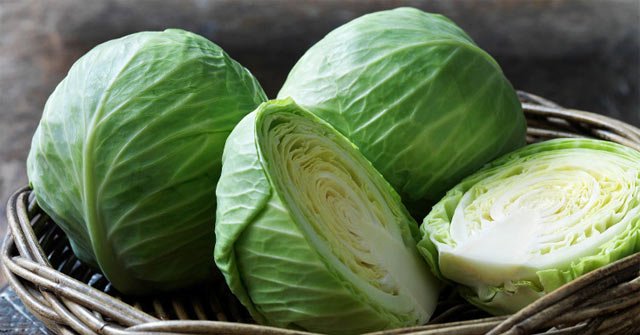
Here are 13 great effects of cabbage, please refer to:
Preventing cancer
Cabbage and vegetables in the same family contain a substance that can fight cancer cells in the body by stimulating enzymes to curb tumor growth. Women who consume a certain amount of vegetables like broccoli and cabbage may reduce their risk of breast cancer symptoms.
Helps form red blood cells
Cabbage is rich in iron (1.1mg), an ingredient that promotes the formation of red blood cells. Therefore, eating cabbage will help avoid the symptoms of anemia. In order for the body to absorb iron from cabbage well, we should consume cabbage in combination with grapefruit juice or orange juice.

Good for cardiovascular
Cabbage contains high levels of potassium, which is good for heart health, avoiding clogging of blood vessels to the heart, reducing the symptoms of hypertension.
Reduce body weight
If you want to lose weight naturally, cabbage is a great choice. Because cabbage contains vitamins, minerals, other nutrients, low calories, high fiber content, it will not increase your weight.
Strengthen immunity
Cabbage is rich in vitamin C, which helps our immune system grow stronger and is also good for the skin.

Good for brain
Cabbage or cruciferous vegetables are high in vitamin K and anthocyanin, substances that are good for your brain, which help with mental health and brain concentration, prevent nerve damage, and help prevent Alzheimer's disease and dementia.
Good for the eyes
Cabbage provides a lot of beta-carotene, a precursor of vitamin A, helps the body prevent vitamin A deficiency, prevents blindness, boosts the immune system. Eating cabbage regularly helps elderly people can prevent macular degeneration, prevent cataracts, reduce prostate cancer.
Body detox
Free radicals in the body are one of the main causes of a number of diseases such as rheumatism, gout, arthritis and other diseases.
Cabbage can help eliminate toxins (free radicals) in the body due to its high content of vitamin C and sulfur.
Bone health
Cabbage contains calcium, magnesium and potassium, minerals capable of maintaining bone health.
Anti-inflammatory
Eating cabbage can reduce the effects of inflammatory diseases, allergies, fever, joint pain and skin disorders because it contains glutamine, a powerful anti-inflammatory substance.
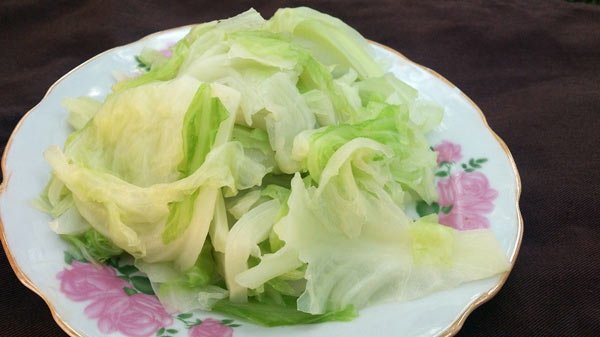
Dealing with headaches
When you have a headache, use cabbage leaves as a warm compress or crush cabbage leaves and place it on your forehead, the pain will ease.
Drinking cabbage juice (25-50ml) may also help relieve headaches for people with chronic headaches.
Good for the fetus
Folic acid in cabbage is important for fetal development, helping to reduce the risk of birth defects related to the spinal cord and brain of babies after birth.
Laxative
The fiber content of cabbage is quite high, this is also a vegetable that helps ease bowel movements.
Cabbage is rich in nutrients, very good for health but people with some diseases should not eat this vegetable. Specifically, invite you to follow in the post "Those who should not eat cabbage".
- 4 dangers when eating too salty
- Why should eat tomatoes every day
FAQ
What is 13 Great Uses of Cabbage about?
It provides a structured overview of cabbage, explains the main context, and highlights practical takeaways for readers.
Why does this topic matter?
Understanding the main concepts helps readers evaluate the issue, avoid common mistakes, and make better-informed decisions.
How should readers use this information?
Use the guidance as a practical starting point, confirm details that may have changed, and follow current product, safety, or security recommendations.
Related Articles
 Eating Lots of Cabbage Is Probably Not as Good as We Usually Think5 minutes read
 Those Who Shouldn't Eat Cabbage: Those Who Should Not Eat Cabbage3 minutes read
 Signs That You Have Chosen the Right Working Environment7 minutes read
 What Is Great Discover Virus? How to Remove Great Discover13 minutes read
 Latest OP War Codes and How to Enter Them5 minutes read
 Discovering 20 Great Uses of Coca Cola You May Not Know11 minutes read
Reader Comments 0
Sign in with email or Google to join the discussion.