Table of Contents
This updated guide examines Cavities: Why Are Our Teeth Deep? and organizes the essential facts, background, and practical takeaways in clear American English.
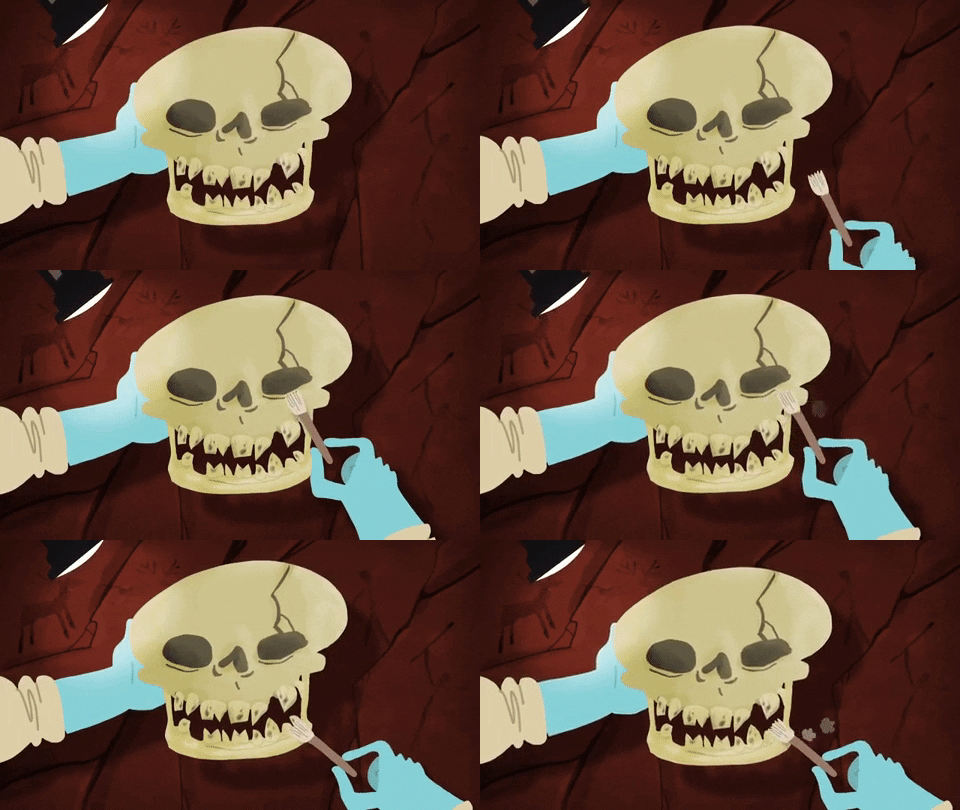
From the moment of birth, these microorganisms exist in our mouths. When people grow teeth, the kind of food we eat every day determines certain types of bacteria that will dominate the mouth. This is also the cause of tooth decay.
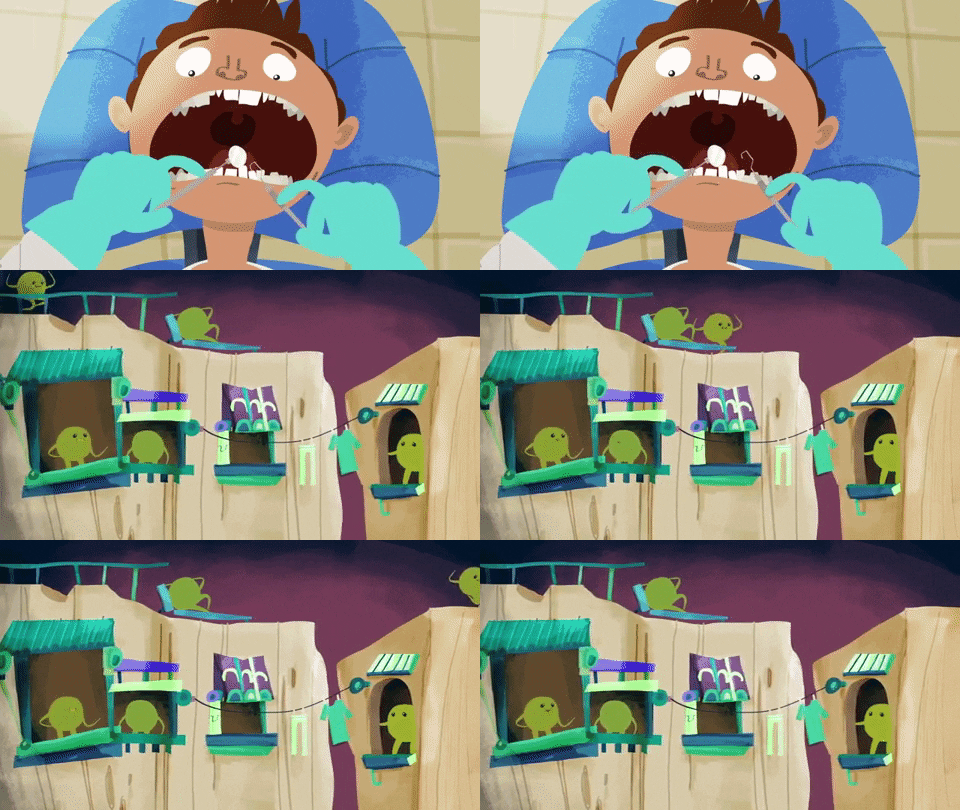
A high sugar diet will facilitate the growth of Streptococci Mutans strains in the mouth. Sugar is the food of these microorganisms. Bacteria will produce byproducts like Lactic Acid when consuming sugar. Lactic acid cannot affect Streptococci Mutans but it is different with our teeth.

Each human tooth is covered by a strong protective enamel. But unfortunately before the attack of acid, this layer of enamel is not completely resistant and degraded, causing the amount of calcium to be lost.
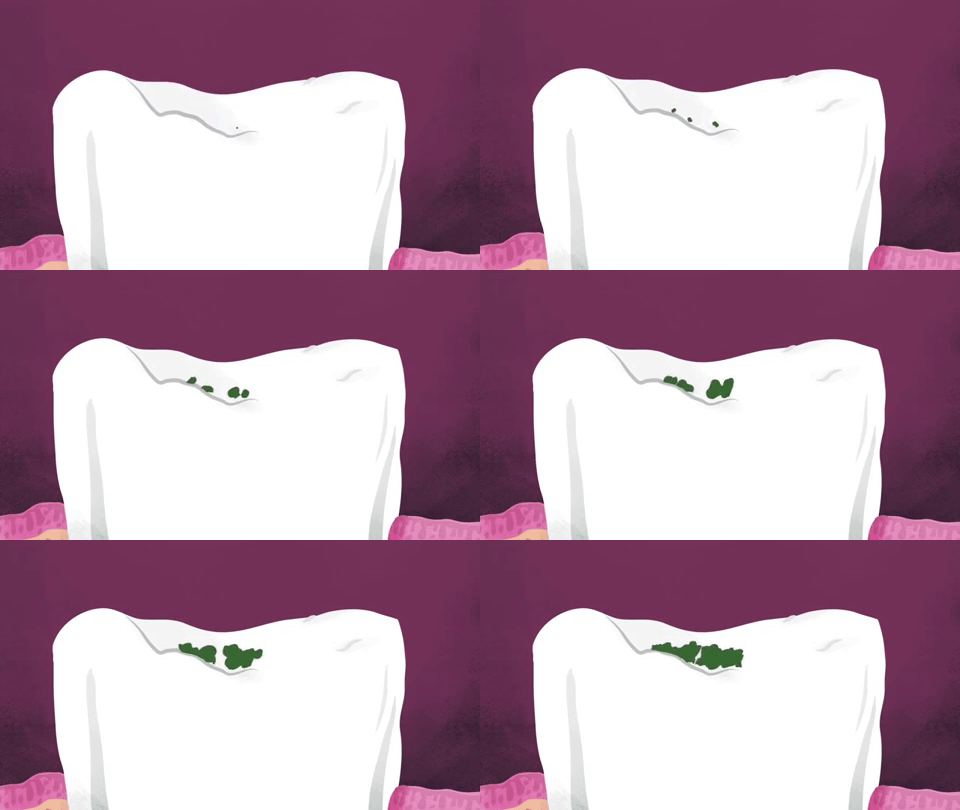
Gradually, acid erodes the protective enamel outside the teeth and opens the way for bacteria to attack the second layer called dentin. At this stage, we absolutely do not feel pain because of blood vessels and nerves located deep in the teeth.
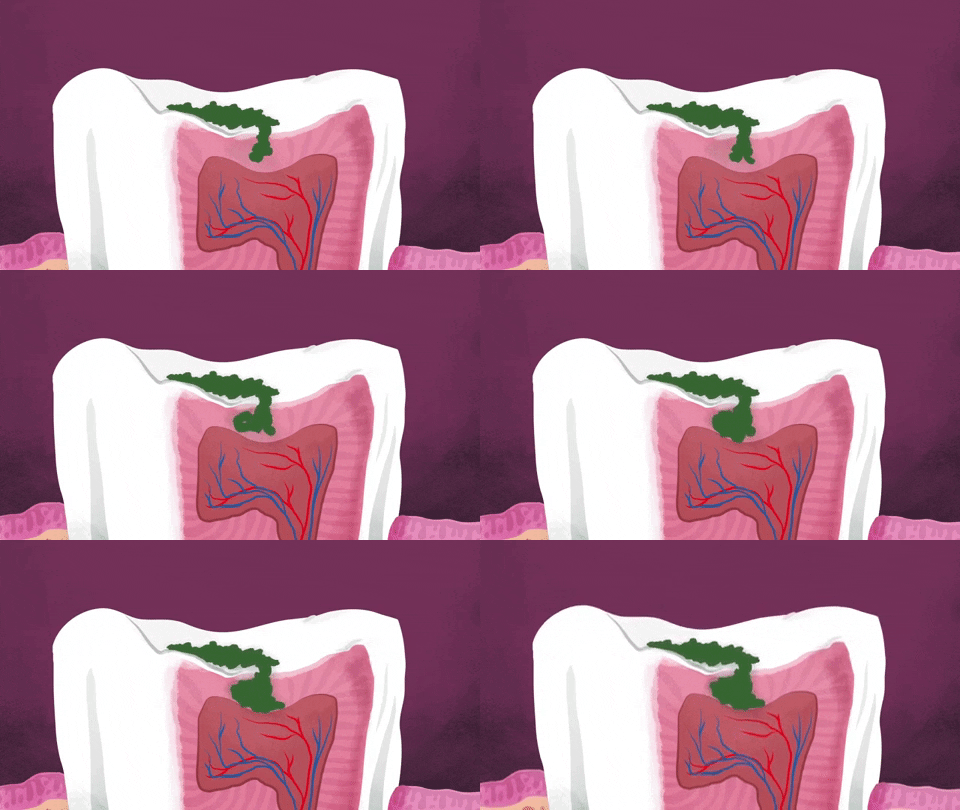
If this process continues, the bacteria will spread through the dentin and go deep into the tooth, reaching the nerves. At this time, tooth decay will cause pain. Teeth will be damaged, even removed if not treated promptly.
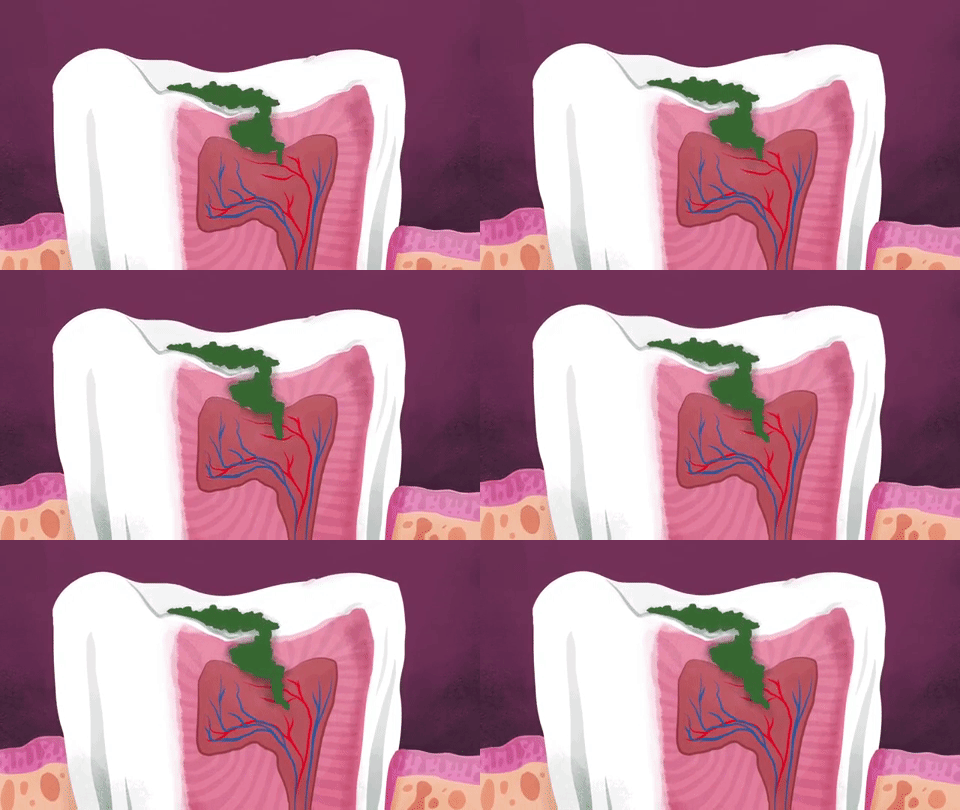
The higher the amount of sugar in the food, the more likely the tooth is attacked by bacteria and the higher the tooth decay.

On the menu of prehistoric people there are roots, seeds and cereals, all of which contain carbohydrates. When encountering enzymes in saliva, Carbon Hydrate is converted into simple sugars, so ancient people, although not consuming as much sugar as we do today, can still suffer from tooth decay.
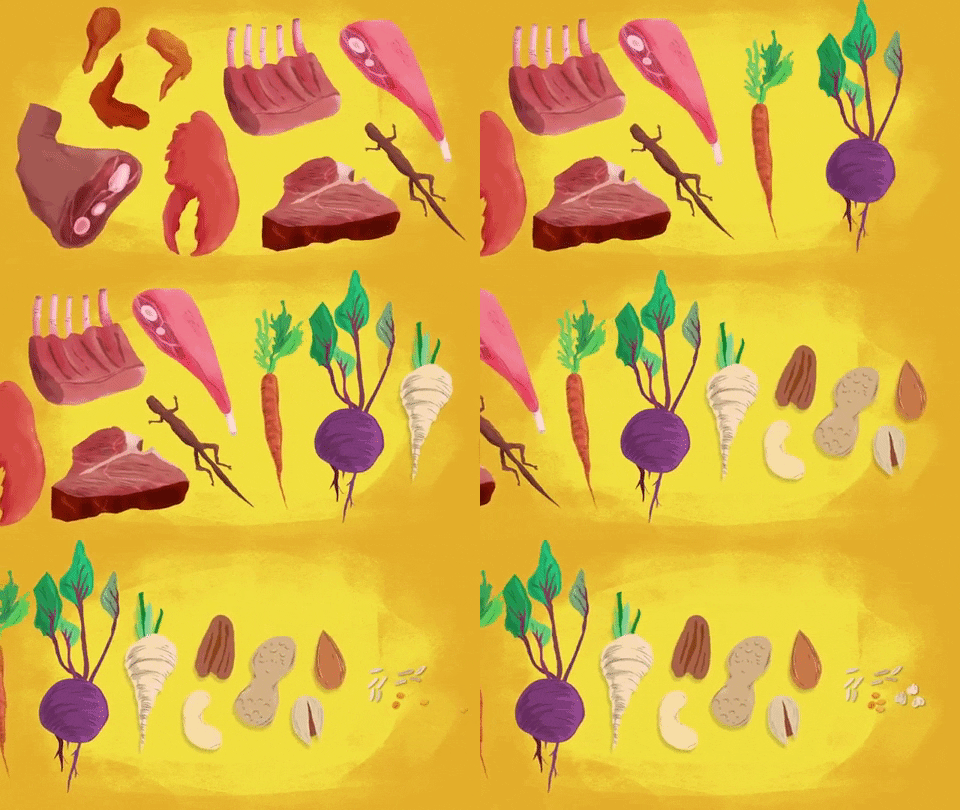
Today, our food is full of sugar, so the majority of human beings suffer from tooth decay. In particular, some people with the genetic material of softer tooth enamel are more susceptible to tooth decay than the rest. But the main cause of tooth decay is due to eating too much sugar.
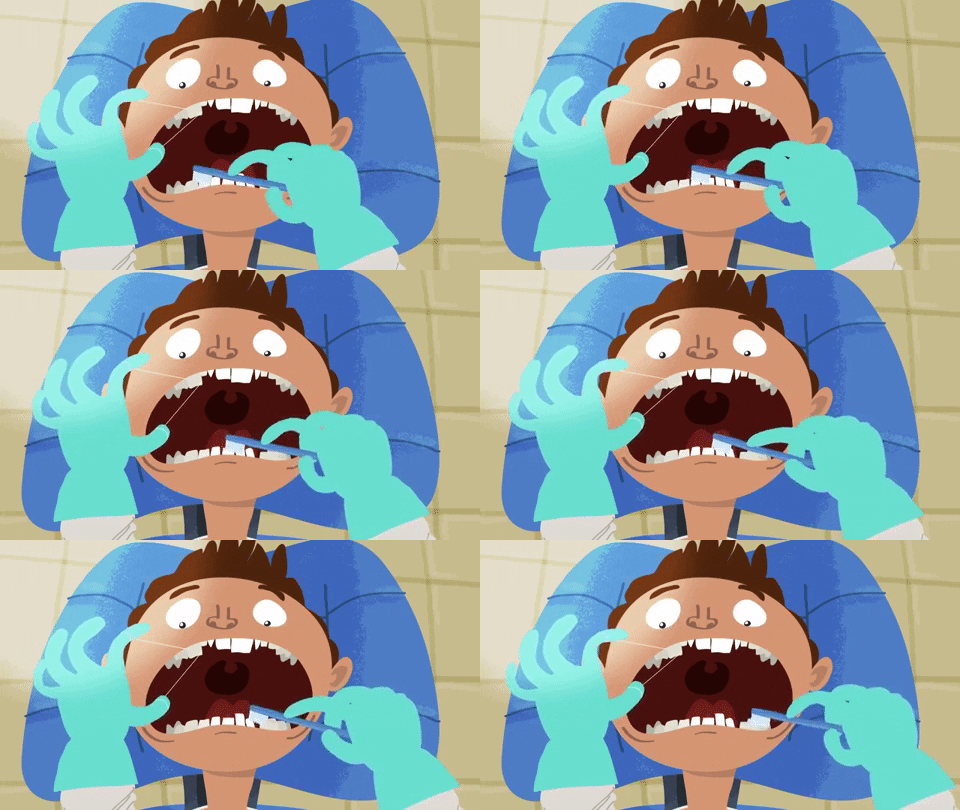
Fortunately, we now have many methods to prevent and treat tooth decay problems. However, the best way to prevent tooth decay is to eliminate bacteria and their food supply by reducing sugar consumption and performing daily clean oral hygiene. This includes avoiding sugary foods, lots of starches that stick to your teeth by regularly brushing your teeth and flossing after eating. This will reduce the amount of sweet-loving bacteria in your mouth. Lower your chances of tooth decay and make your teeth feel good with the dentist in Lancaster .
FAQ
What is Cavities: Why Are Our Teeth Deep about?
It provides a structured overview of Cavities, explains the main context, and highlights practical takeaways for readers.
Why does this topic matter?
Understanding the main concepts helps readers evaluate the issue, avoid common mistakes, and make better-informed decisions.
How should readers use this information?
Use the guidance as a practical starting point, confirm details that may have changed, and follow current product, safety, or security recommendations.
Related Articles
 The Mystery of Exploding Teeth in the Mouth Is Real in History5 minutes read
 Beautiful White Teeth without Using Chemicals6 minutes read
 Why Is It so Stupid and Painful That They're Still Called Wisdom5 minutes read
 What Is Deep Web? Where Is the Deep Web? Good or Bad?9 minutes read
 4 Habits Unknowingly Make Teeth More and More Badly Damaged4 minutes read
 'falling' with the Reason Why Birds Don't Have Teeth3 minutes read
Reader Comments 0
Sign in with email or Google to join the discussion.