Table of Contents
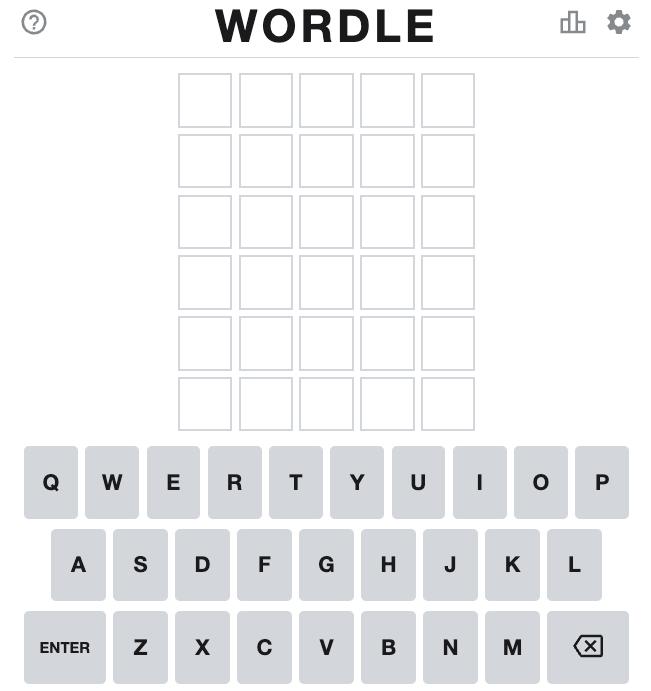
Wordle gives you six attempts to identify a five-letter word. Each valid guess reveals which letters are correct, misplaced, or absent, so every turn should reduce the remaining possibilities.
Wordle rules
- Enter a valid five-letter word.
- Use the colored tiles to interpret the result.
- Keep confirmed letters in mind and eliminate impossible letters or positions.
- Solve the word within six guesses.
There is one official puzzle per day. The game uses American English spellings, which matters for words such as FAVOR.
What the tile colors mean
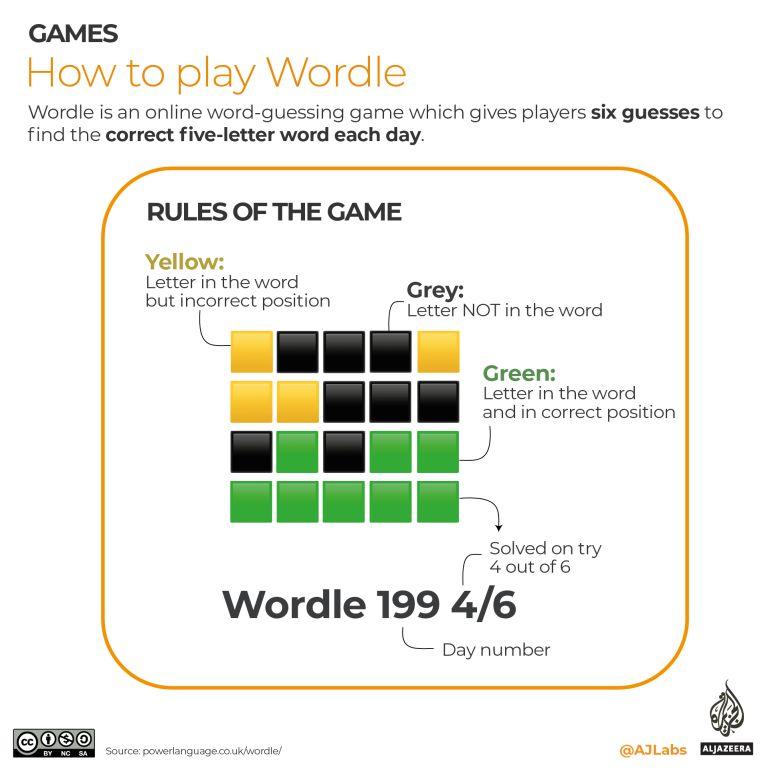
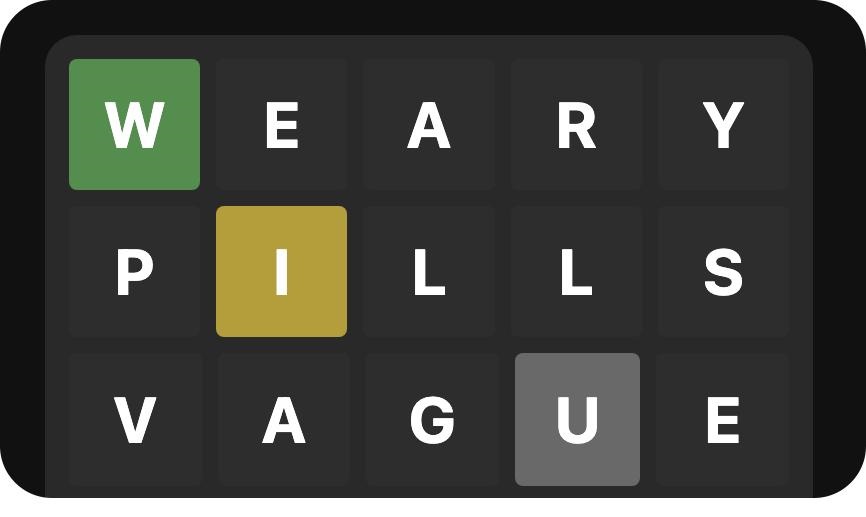
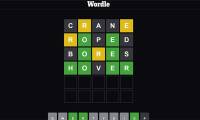
- Green: the letter is correct and in the correct position.
- Yellow: the letter appears in the answer but belongs in another position.
- Gray: the answer does not contain that letter, except where repeated-letter scoring changes what the tile tells you.
Repeated letters need special care
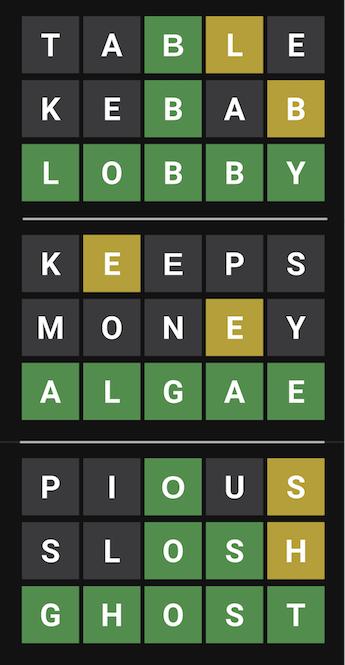
A word can contain the same letter more than once. If your guess contains two instances of a letter but the answer contains only one, one tile may be colored and the other gray. Do not automatically eliminate a letter merely because one duplicated instance is gray; compare all tiles for that letter.
Choose an informative opening word
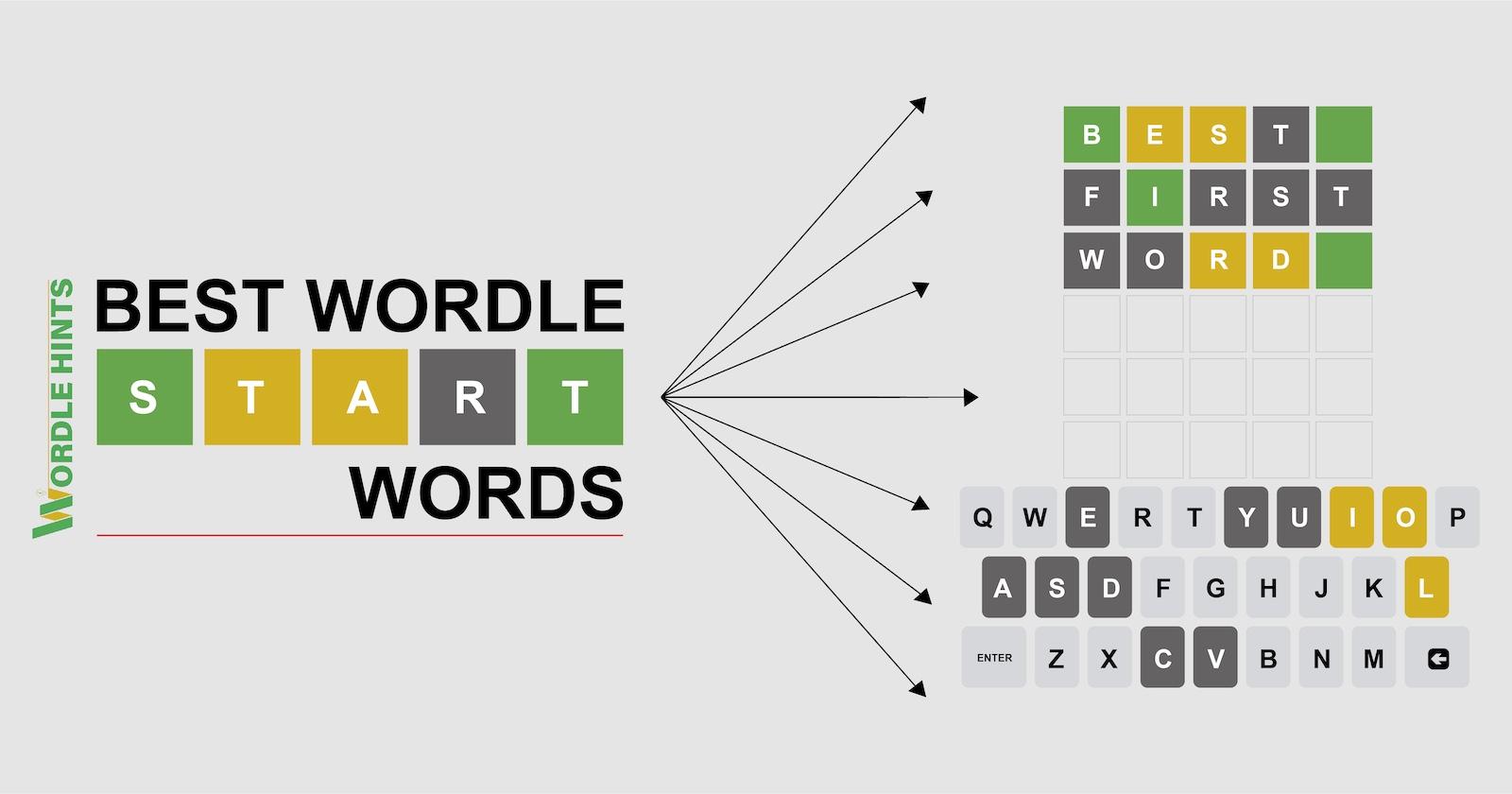
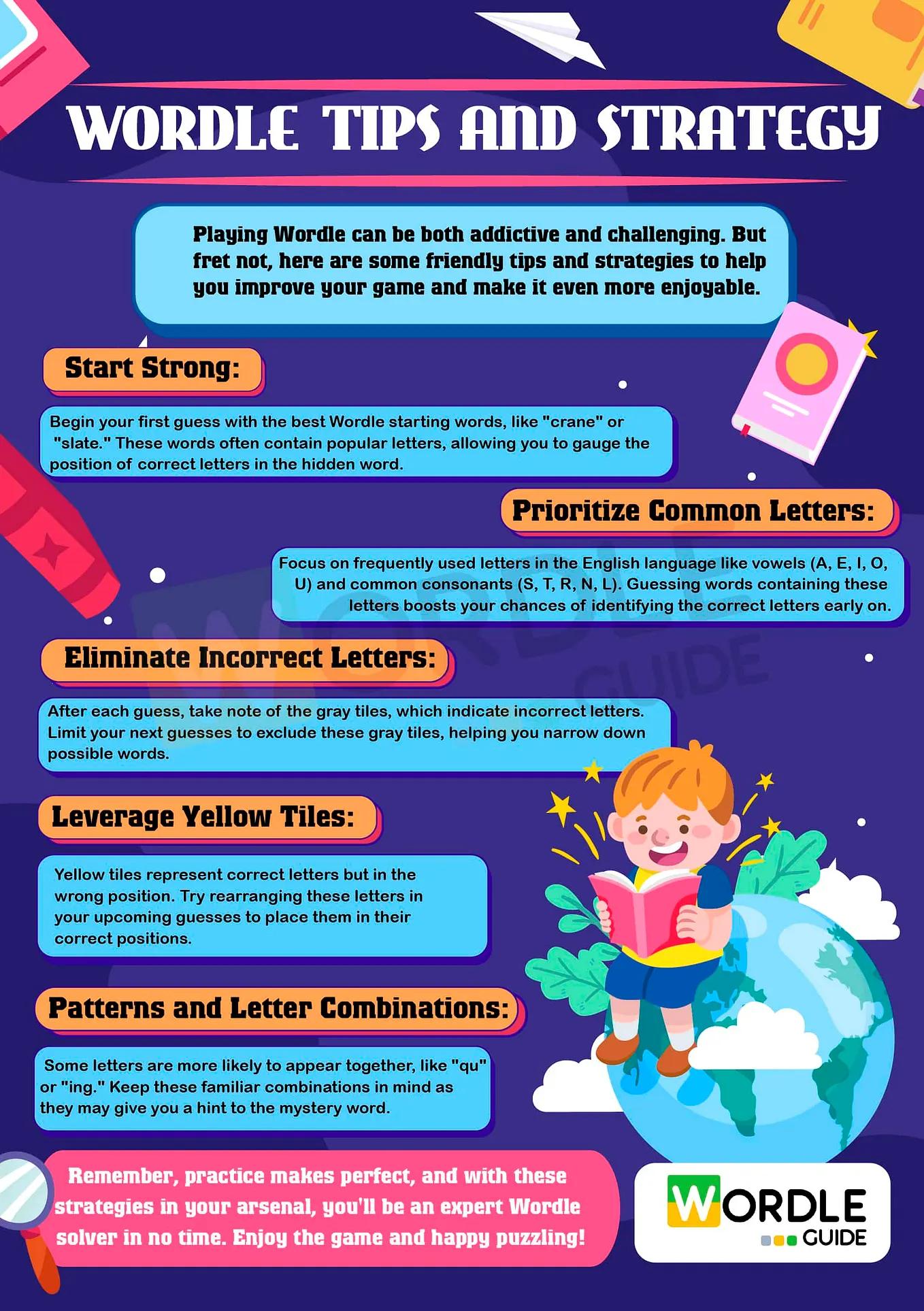
A strong first guess uses five different, common letters. Words such as CRANE, SLATE, or STARE test useful consonants and vowels. A vowel-heavy word such as ADIEU checks more vowels but gives less information about common consonants.
There is no universally best starting word for every player. Consistency helps if you want to compare results, while changing the opener can keep the game varied.
A practical strategy for each guess
Guess 1: gather broad information
Use five distinct common letters. Avoid a double letter unless you have a reason to test it.
Guess 2: test new letters or obey the clues
If the first guess reveals little, a second word with mostly unused letters can quickly narrow the alphabet. In Hard Mode, confirmed clues must be used, so this information-first tactic may not be allowed.
Guesses 3 and 4: build candidate patterns
Place green letters, move yellow letters to legal positions, and write down plausible patterns. For _ A _ E _, compare several candidates before committing.
Guesses 5 and 6: manage the shortlist
If several answers differ by one letter—such as LIGHT, MIGHT, and NIGHT—a separate “probe” word can test multiple starting letters at once when Hard Mode is off.
Use every clue correctly
- Do not reuse a gray letter unless repeated-letter evidence leaves it possible.
- Do not put a yellow letter back in the same position.
- Keep green letters fixed unless you are deliberately testing in normal mode.
- Check common letter combinations such as SH, CH, ER, and ING when they fit.
- Remember that an unusual answer is possible, but common words are better candidates early.
Common mistakes
- Guessing random words that do not test a specific idea.
- Using duplicate letters too early and learning too little.
- Forgetting that an answer can contain repeated letters.
- Locking onto the first plausible word without checking alternatives.
- Confusing yellow with “almost correct”; it only confirms the letter, not its distance from the right position.
After you solve
Review which guess gave the most information and where you ignored a clue. The share grid shows colors without revealing the answer, making it suitable for comparing approaches without spoiling the puzzle.
For more examples, see these Wordle strategies and clue tips. If you want other short daily puzzles, try these daily games on LinkedIn.
Related Articles
 Wordle Hint: Tips and Strategies for Playing Wordle19 minutes read
 Wordle Answer Suggestions Today4 minutes read
 Latest Wordle Answers Today 25/05/20239 minutes read
 The Latest Wordle Answer as of Today, April 22, 202610 minutes read
 Download Game Injustice: Gods Among Us Ultimate Edition Is Free3 minutes read
 How to Download and Play Minecraft Bedrock Edition on Your Computer4 minutes read
Reader Comments 0
Sign in with email or Google to join the discussion.