Table of Contents
Before leaving your car overnight, take a moment to remove valuables, perishable food and items with temperature-sensitive storage requirements. A locked car is neither secure storage nor a temperature-controlled room, and a trunk does not reliably protect belongings from heat or cold.
1. Unnecessary personal documents
Remove passports, spare identification, mail and paperwork you do not need for driving. They can expose personal information if the car is broken into.
Registration and insurance documents need a more careful decision: requirements for carrying or presenting them vary by location. Check your licensing authority and insurer before removing required paperwork or relying on a digital copy. Keep necessary documents out of sight, and leave unrelated records at home.
2. Sunglasses and other visible valuables
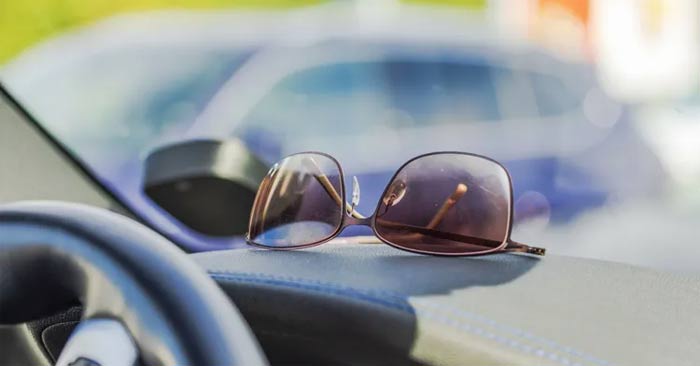
Bring expensive sunglasses, wallets, bags and jewelry indoors. Even an empty bag can make a car look worth searching. Store prescription glasses in a protective case rather than loose on the dashboard; check the manufacturer's guidance about temperature exposure.
3. Food and leftovers
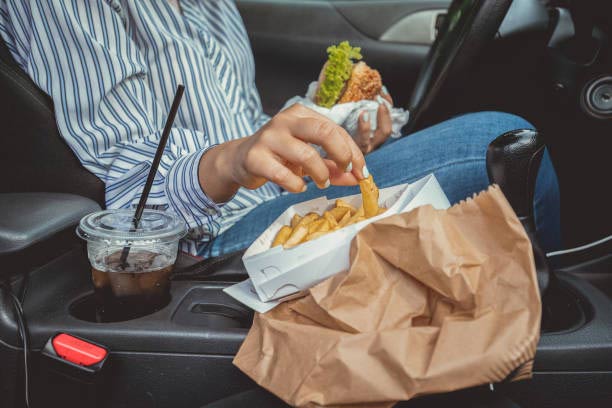
Take groceries and takeout inside promptly. Removing packaging and crumbs also reduces smells and attraction for pests.
For perishable food, USDA guidance sets a two-hour limit outside safe temperature control, reduced to one hour above 90°F (32°C). Food left in a car overnight is not made safe by a cool morning or by smelling normal. Discard perishable food if it has exceeded safe holding time; do not taste it to test it.
4. Open drinking bottles and cups
Bring reusable bottles indoors, empty them and wash them according to their care instructions. A half-finished drink can spill, leave residue or become unpleasant, especially in a warm car.
Do not assume that one night in a car automatically makes every sealed plastic water bottle toxic. Follow the container's storage guidance and discard water if its container is damaged or the contents seem contaminated. Refill a clean reusable bottle before the next trip.
5. Laptops, phones and battery-powered accessories
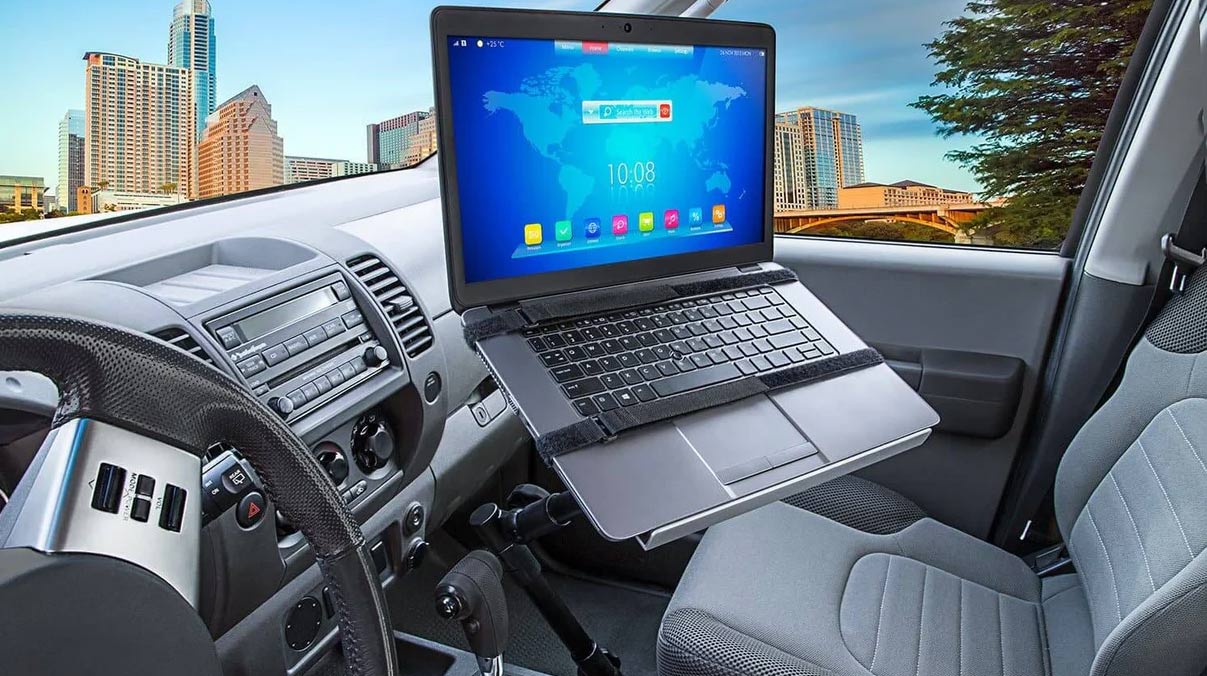
Remove laptops, tablets, cameras, headphones and power banks. Besides theft, temperatures inside a parked car may exceed a device's permitted storage range. Follow the device manufacturer's limits and allow a very hot or cold device to return to an appropriate temperature before charging it.
Protect the information as well as the hardware: use a screen lock and maintain a separate backup. For an iPhone, see our data-transfer and backup options; copying files only to another device kept in the same car does not protect against theft of both.
6. Sunscreen and other temperature-sensitive products
Read storage instructions on sunscreen, medicines and cosmetics. The FDA recommends protecting sunscreen from excessive heat and direct sun. Bring it inside rather than using the car as its permanent storage place.
If medication has been exposed to conditions outside its label requirements, ask a pharmacist how to handle that specific product. Appearance alone may not tell you whether it remains suitable.
7. Damp gym clothes and towels
Empty your gym bag after a workout. Hang damp items to dry or wash them according to the label, and let shoes air out. Leaving sweaty clothing bundled up traps moisture and encourages persistent odors.
A simple parking routine helps: take your bag, electronics, food, drinks and damp gear; check the seats and footwells; then lock the car. Keep only items suited to long-term vehicle storage, with required driving documents handled according to local rules.






Reader Comments 0
Sign in with email or Google to join the discussion.