Table of Contents
Start Monster Hunter Outlanders with a weapon whose movement and defensive options feel comfortable. Dual Blades, Lance and Bow offer three useful styles to try: mobile close-range attacks, shield-based positioning and ranged pressure. None is automatically the easiest for every Adventurer or monster.
The launch lineup extends beyond the seven weapons listed in early previews. Garena's launch announcement also includes Charge Blade. Check the equipment and characters available in your regional version rather than assuming every option is immediately unlocked.
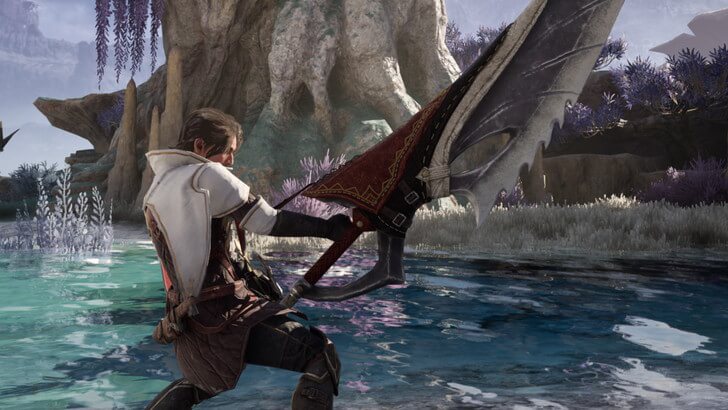
Compare the weapon styles
| Weapon | General style | What a beginner should practice |
|---|---|---|
| Dual Blades | Fast close-range sequences and mobility | Stop the combo before an incoming attack and manage stamina |
| Lance | Shield-based defense and controlled thrusts | Guard timing, positioning and the limits of blocking |
| Bow | Ranged pressure with movement | Aiming, spacing and reacting when the monster closes in |
| Long Sword | Combo flow and timing-dependent opportunities | The selected Adventurer's resource cycle and defensive actions |
| Great Sword | Deliberate heavy attacks | Recognize a long enough opening before committing |
| Heavy Bowgun | Ranged firepower | Positioning, aim and recovery after attacks |
| Hammer | Close-range impact attacks | Approach safely and land hits on the intended part |
| Charge Blade | A weapon with Sword and Axe modes | Learn the mode transitions and resource rules in its tutorial |
These descriptions are starting points. Adventurers using the same weapon type can have different skills and combat rhythms. Read the character's actual kit before applying advice from another Monster Hunter game.
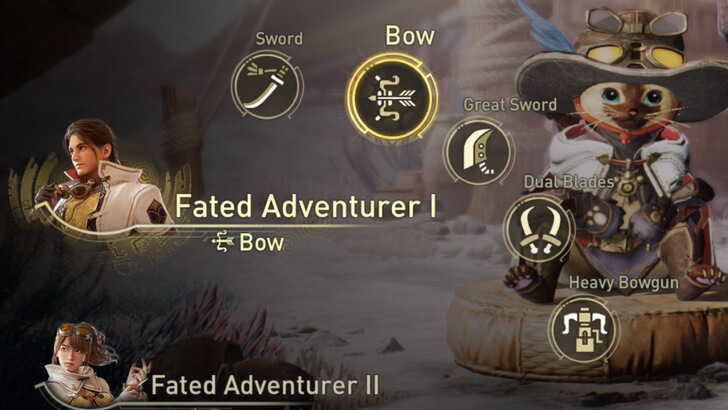
Three styles worth testing first
Dual Blades: for players who like movement
Try Dual Blades if staying close and using short, quick sequences feels natural. The main trap is continuing to attack after an opening has ended. Practice a brief combo, disengage and repeat without taking a hit before trying longer sequences.
Lance: for deliberate defensive play
Lance gives you a shield-focused approach. It can help you study a monster while maintaining a controlled position, but blocking still has conditions and costs. Learn which attacks you can guard, when to reposition and how to resume pressure safely.
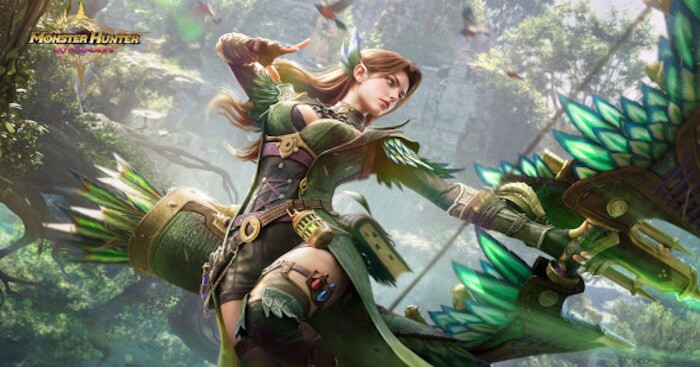
Bow: for spacing and observation
Bow lets you fight at range, which may make some movements easier to read. Distance is not complete protection: monsters can close the gap or use wide attacks. Practice maintaining useful range while keeping enough room to evade.
Test before spending upgrade materials
- Choose a familiar, manageable target and keep the difficulty consistent.
- Try the weapon's basic sequence and defensive action. Notice whether you can recover from a missed input.
- Check the Adventurer's skills and resource display. Understand what builds a resource and what spends it.
- Compare successful safe attacks, not just the largest damage number.
- Invest once you know why the weapon fits your play.
Build a reliable setup
| Area | Early priority |
|---|---|
| Main Adventurer | Develop a character you understand and use regularly |
| Weapon | Upgrade a main option for the hunts you are attempting |
| Armor | Address survivability and relevant resistances |
| Skills | Learn conditions and interactions before building around them |
| Buddies and squad | Choose abilities that complement the main setup |
| Facilities | Complete necessary unlocks and useful travel or gathering improvements |
The Fated Adventurer offers weapon flexibility, while recruited Adventurers have their own fixed weapons and skills. Avoid spreading scarce materials across every character at once. Keep a dependable main setup, then add alternatives when a specific target or role gives you a reason.
If a weapon feels difficult, separate unfamiliar controls from a weak upgrade level. Practice first, inspect the equipment requirements and change one part of the setup at a time.
Related Articles
 Monster Hunter Outlanders Systems Explained: Hunts, Buddies and Crafting
 Monster Hunter Outlanders Beginner Guide: Combat and Upgrades
 15 Monster Hunter Outlanders Tips for Progression and Hunting
 Monster Hunter Rise tips for new gamers
 Download the malware removal tool and clean up Malware Hunter PRO computer for $ 49.95 for free
 A bug hunter's job, emerging job in the technological age
Reader Comments 0
Sign in with email or Google to join the discussion.