Table of Contents
In Monster Hunter Outlanders, early progress comes from learning one weapon, preparing for the target monster and spending materials with a clear purpose. Complete the opening tutorials before committing heavily to upgrades or recruitment. The game is available for iOS and Android; use the store links provided by the official website for your region.
Your first goal is a dependable hunting setup, not a fully upgraded collection. Try the available controls, learn how to stop attacking safely and identify which part of your current hunt is causing trouble.
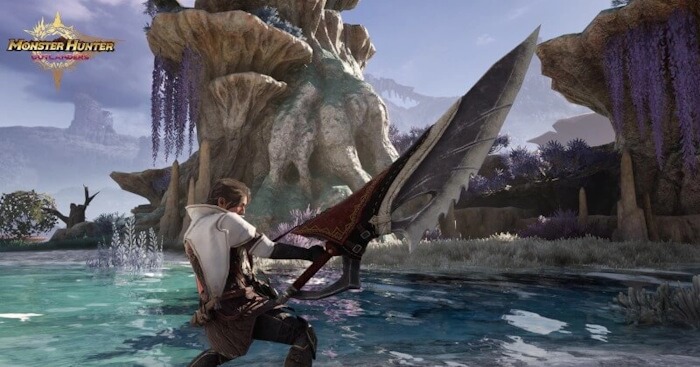
Learn your Adventurer and weapon
The Fated Adventurer is your customizable main character. Recruited Adventurers have their own weapon and skills, so trying a different character can change how you fight. Use the tutorial and available practice opportunities to compare attack reach, mobility and recovery after a combo.
Start with a weapon you can control comfortably. Learn a short attack sequence, your defensive options and how to recognize a safe opening. Do not spend all your resources on an unfamiliar weapon just because another player ranks it highly.
Understand the three roles
Adventurers are grouped into Assault, Disruptor and Support. These categories explain their general contribution; the individual skill descriptions tell you what a particular character actually does.
| Role | General purpose | Examples and weapons |
|---|---|---|
| Assault | Damage-focused skills | Luka — Bow; Ouyang Varen — Lance; Midori — Long Sword; Pyro — Great Sword |
| Disruptor | Create openings and apply pressure | Raya and Keres — Dual Blades; Pepper — Heavy Bowgun |
| Support | Supportive effects such as buffs, healing or shields, depending on the character | Madelyn — Bow; Arkaya — Lance |
Madelyn is an option to investigate if you want supportive bow skills, while Raya offers a mobile dual-blade style. Neither is automatically the correct choice for every player or target. Check which skills you have actually unlocked and how they work with your available squad.
Bring Buddies into your preparation
Palico, Rutaco and Trillan are the game's Buddy types. They assist with activities such as hunting, exploration and building. Follow their tutorial and check available development options instead of leaving them unprepared.
Adventurers and Buddies are different systems. Do not assume an AI companion replaces healing items or can carry every difficult encounter. Read the selected Buddy's abilities and observe what it contributes during a hunt.

Prepare for each hunt
- Read the target information. Check any listed weaknesses and resistances before choosing equipment. A higher-looking stat does not necessarily suit every monster.
- Review your supplies. Bring the healing and support items available to you, and learn where their controls are before combat.
- Check equipment and skills. Confirm that upgrades improve something you need and that your selected skills are usable with the current setup.
- Choose the appropriate mode. Solo play is useful for learning patterns; cooperative play offers shared pressure when you coordinate with the group.
Fight for safe openings
Watch the monster before committing to a long attack. Notice the wind-up, the direction of the strike and how long it takes to recover. Reposition or defend using the options taught for your weapon; dodging toward an attack is not a universal solution.
Use short combos while learning. If you repeatedly get hit at the same point, stop the sequence earlier and wait for a clearer opening. Monitor stamina and other weapon resources rather than spending everything as soon as it becomes available.
Radiant monsters introduce additional challenges. A failed attempt is information: decide whether you need better timing, a different approach or improved equipment. There is no fixed rule that you must retreat after exactly two defeats.
Spend materials on the current bottleneck
Concentrate upgrades on one main setup initially, while experimenting with other weapons before making expensive commitments. If you lack damage, investigate the weapon path. If you are being defeated too easily, review armor, resistances, supplies and defensive timing.
Gathering and building are also part of progression. Do not postpone every facility upgrade automatically: complete tutorial requirements and build facilities that unlock a necessary function. Compare the cost and benefit before spending scarce materials on convenience upgrades.
Use the current quest objectives and crafting requirements to plan a short gathering route. Avoid farming large quantities of an item before you know which upgrade needs it.
Common beginner mistakes
- Upgrading too many setups at once: Keep a main weapon usable before distributing limited materials.
- Ignoring skill details: Similar roles can have different activation conditions and effects.
- Saving every consumable: Use appropriate supplies when they help you finish a worthwhile hunt; learn which ones are replaceable.
- Attacking through every warning: Damage lost while repositioning is often less costly than being repeatedly knocked down.
- Joining co-op without a plan: Prepare supplies, follow the hunt objective and coordinate important actions where possible.
After each difficult hunt, choose one improvement to test. Changing one part of your equipment or technique at a time makes it easier to understand what helped.
Related Articles
 Monster Hunter Outlanders Systems Explained: Hunts, Buddies and Crafting
 Monster Hunter Outlanders Starting Weapons: How to Choose
 15 Monster Hunter Outlanders Tips for Progression and Hunting
 Monster Hunter Rise tips for new gamers
 Devil Hunter Black Market: Unlock steps, location, and item prices
 Monster Sanctuary: A Guide to Evolving All Monsters
Reader Comments 0
Sign in with email or Google to join the discussion.