Table of Contents
To progress efficiently in Monster Hunter Outlanders, connect each activity to a goal: unlock a feature, improve a usable equipment set or obtain a specific material. These tips cover progression, preparation and repeatable routines without assuming every player has the same Adventurers or resources.
1. Follow the story until you reach a real requirement
Main quests introduce systems and open activities. Follow the current objective first, then check what is preventing the next step. Avoid farming randomly when a tutorial or prerequisite quest is the actual requirement.
2. Read rank requirements before spending currency
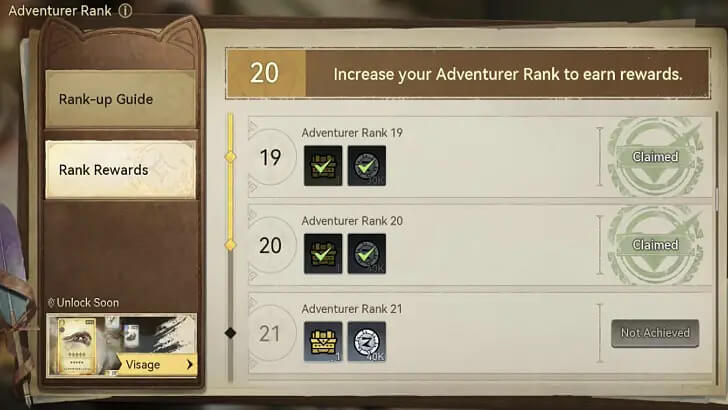
If progress is blocked by your Adventure Rank, inspect the EXP rewards on available quests and activities. Compare ordinary progression options before paying for additional opportunities. Redeeming a code and unlocking a story quest are separate tasks; check their individual requirements in the current game.
3. Check Free Hunt research objectives
Before repeating a hunt, read its outstanding research objectives and reward conditions. Completing an unfinished objective can make a run more useful than repeating an already-cleared task. Match the selected hunt to the material or progression reward you need.
4. Keep the Fated Adventurer usable
Your main character offers flexibility that can help fill gaps in a squad. Try available weapon options before investing heavily. Recruited Adventurers have their own weapons and skills, so compare what they contribute rather than assuming rarity alone determines usefulness.
5. Finish the combat tutorials
Practice movement, defensive timing and your weapon's basic sequences. Repeat an exercise if you can complete it only by attacking continuously. A short sequence that leaves time to defend is a better foundation than a long combo you cannot finish safely.
6. Check food effects before a difficult hunt
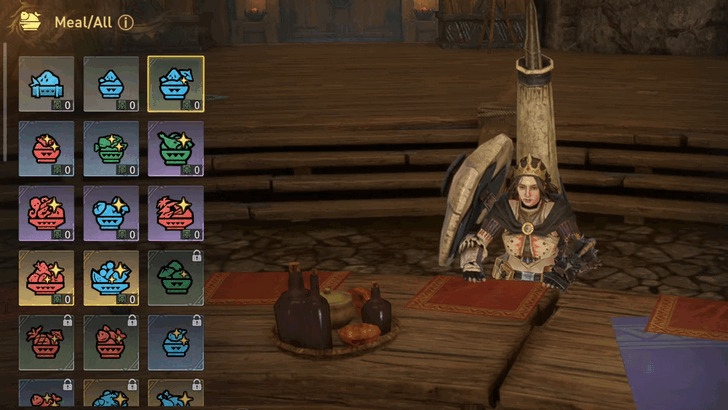
Once cooking or the canteen is available, read the selected meal's effects and remaining duration. Choose a benefit relevant to the encounter, then confirm it is active. Do not buy another meal automatically if the useful effect is still running.
7. Make exploration facilities work for you
Watchtowers, camps and travel structures can reduce the time spent crossing an area. Check the next watchtower upgrade's requirements and benefits, and build where it improves a route you use regularly. Complete essential facility unlocks alongside equipment progression.
8. Plan Rutacoin spending
Decide whether you are saving for recruitment or a different goal before visiting a shop. Compare permanent purchases with materials obtainable through play. Recruitment outcomes and offer terms matter, so read the banner details and avoid spending solely because a timer is running.
9. Review Survival research
Look for research that addresses the area you are exploring, including environmental protection or more convenient field actions. Check unlock conditions and the actual effect before spending points. A survival tool is useful only if it protects against the hazard you are facing.
10. Join guild activities you can complete

Review the guild's available activities, participation requirements and reward deadlines. Coordinate with other members when an activity needs a group. Event names and rewards can change, so rely on the current event screen rather than a fixed list.
11. Upgrade the part of the squad that needs it
Inspect which Adventurer is struggling and why. A weapon upgrade can improve damage, while defensive improvements may be necessary for survival. Do not assume companion-controlled Adventurers never need armor, or that upgrading their weapons always saves materials.
12. Buy supplies for a known purpose
When checking Ruck's shop or another supply store, compare the cost with your crafting needs and current stock. A discounted item is still wasted currency if it sits unused. Treat cosmetic purchases as a separate choice from progression supplies.
13. Build elemental options gradually
Check the target's weaknesses before changing gear. Save useful equipment presets if available, but keep your main setup functional before dividing limited materials among many elemental sets. Confirm that a supporting skill applies to the weapon or element you intend to use.
14. Claim daily and weekly rewards
Review the Gameplay Handbook and current activity list. Combine overlapping objectives where possible—for example, choose a needed hunt that also advances an activity task. Claim completed rewards and check the displayed reset time; a completed objective may still need manual collection.
15. Aim at the part your objective requires
Use the available targeting controls to keep a relevant body part in view, then position your character so attacks actually reach it. Locking a target does not guarantee every strike hits the selected part.
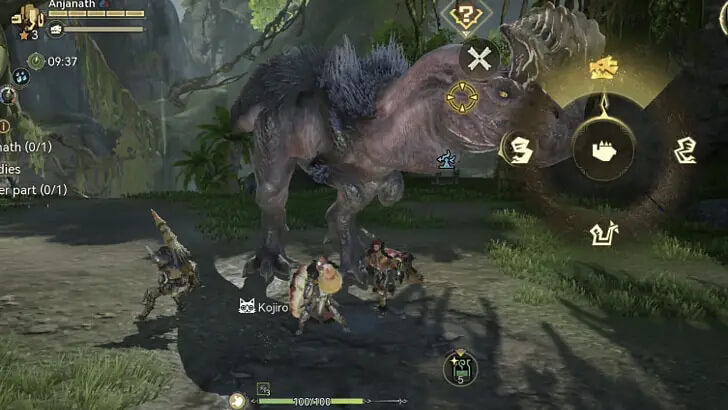
If you need a part-break or severing reward, read the monster information and damage-type requirements. Adjust the weapon and attack angle accordingly. Do not assume every tail or every breakable part follows the same rule.
A short routine before and after hunting
Before a hunt, choose the objective, check weaknesses, equipment, food and supplies. Afterward, claim rewards, inspect what you still need and make one purposeful upgrade. This avoids both unplanned farming and spreading resources across equipment you are not using.
For official downloads, notices and regional availability, use the Monster Hunter Outlanders website.
Related Articles
 Monster Hunter Outlanders Beginner Guide: Combat and Upgrades
 Monster Hunter Outlanders Systems Explained: Hunts, Buddies and Crafting
 Monster Hunter Outlanders Starting Weapons: How to Choose
 Monster Hunter Rise tips for new gamers
 Catch a Monster Beginner Guide: Pets, Coins, and Upgrades
 Combat tips to overcome Monster Sanctuary
Reader Comments 0
Sign in with email or Google to join the discussion.