Table of Contents
This updated guide explores Samsung partners with chipmakers to develop next with practical details, clear explanations, and useful takeaways. Samsung Electronics has announced a partnership with semiconductor giants Infineon and NXP to develop next-generation semiconductor solutions specifically for the automotive industry.
Why Is Samsung Investing Heavily in Automotive Semiconductors?
The automotive industry is undergoing a technological revolution, with the rise of self-driving, electric and connected cars. These vehicles require increasingly powerful processors to handle image processing, sensor data, GPS positioning, and artificial intelligence algorithms.
Samsung, with its extensive experience in developing mobile memory and processors, is bringing these advancements to the automotive semiconductor field, helping to increase performance and reliability in harsh environments such as high temperatures or voltage fluctuations.
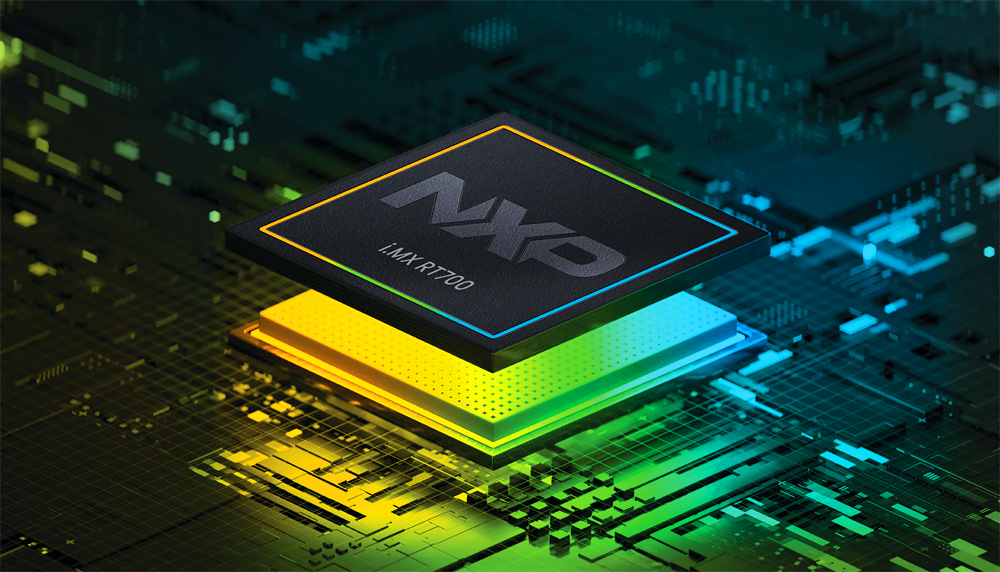
Highlights of Cooperation Between Samsung and Automotive Chip Manufacturers
Below are the key areas of cooperation:
- Developing automotive processors based on 5nm process: Compact, energy-saving, high performance.
- Optimized synchronization between memory and processor: Helps increase data transmission speed and improve system performance.
- Withstands extreme temperature conditions: Chips will be more durable in real operating environments.
- Improved real-time processing: Important for safety systems like automatic braking and collision warning.
- Enhanced hardware security: Protect user data and prevent remote attacks.
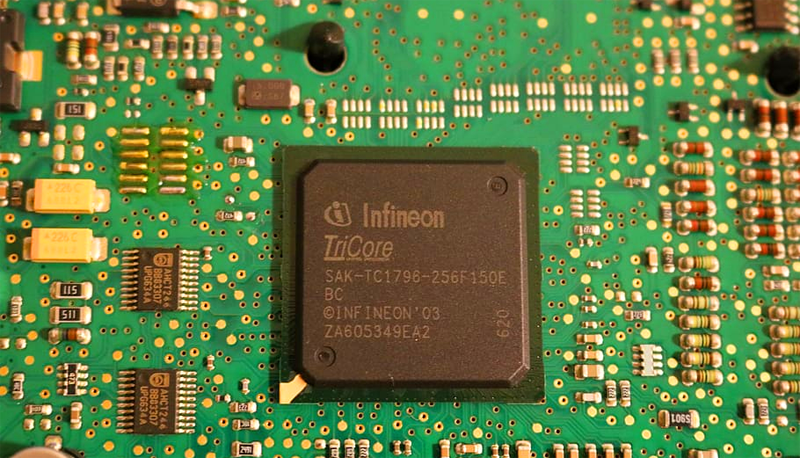
The Role of NPUs and SoCs in the New Generation of Automotive Chips
The new chips will incorporate a neural processing unit (NPU) that optimizes in-car AI algorithms, from object recognition to autonomous driving assistance.
Also, Samsung is actively developing SoC (System-on-Chip) – integrating many functions (processing, memory, graphics, AI…) on a single chip. This helps:
- Save board space
- Reduce electricity consumption
- Increase production efficiency
According to market experts, automotive chips will grow more than 15% annually over the next five years thanks to the boom in electric and self-driving cars.
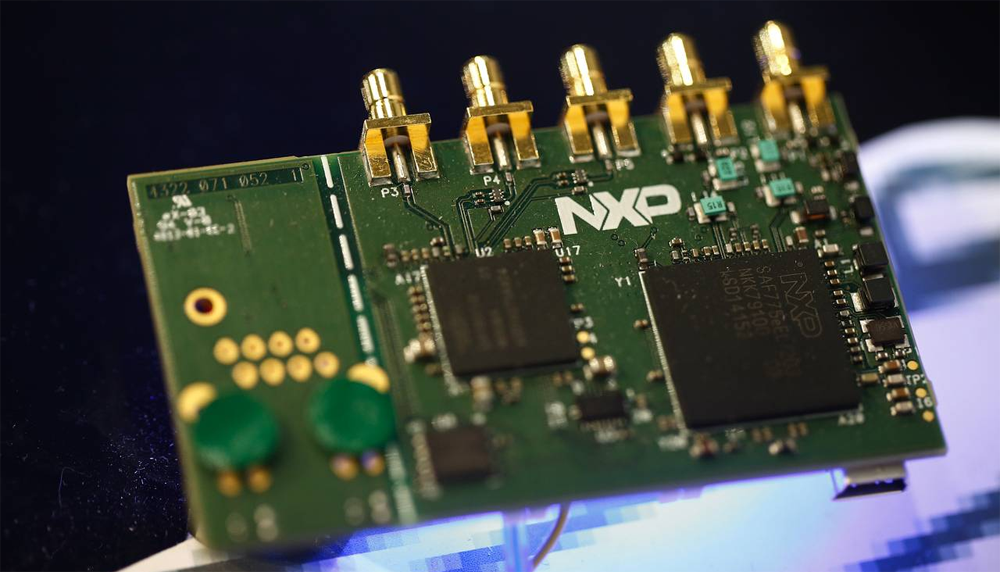
Samsung, through its close partnerships with renowned chipmakers and its manufacturing technology advantages, is well positioned to expand its market share in the global automotive electronics market.
Samsung is stepping up its long-term strategy in the smart car semiconductor industry by partnering with big names like Infineon and NXP. By investing in advanced chip technology, the company is not only helping to advance the autonomous driving industry but also establishing a strong position in a market with great growth potential.
FAQ
What is the main takeaway about Samsung Partners with Chipmakers to Develop Next?
The key is to understand the core idea, compare the available options, and apply the practical guidance that matches your situation.
What should beginners know about Samsung Partners with Chipmakers to Develop Next?
Start with the essential steps and terminology. Avoid changing advanced settings until you understand how they affect performance, privacy, cost, or compatibility.
How can I use this information in practice?
Follow the relevant section in order, test one change at a time, and confirm the result before moving to the next step or recommendation.
Related Articles
 Vietnamese Professor Holds the 'key' to Promising Breakthrough New5 minutes read
 Samsung Launches New Generation Memory Chip HBM4, Takes on SK Hynix and Micron4 minutes read
 Samsung Invested $6 Billion in the New 7nm EUV Factory3 minutes read
 Samsung Partners with OpenAI to Develop 'AI Tv', Promises Many3 minutes read
 Samsung Has Completed the Basic Design of the 2nd Generation 2nm GAA3 minutes read
 RAM Is So Expensive That… Samsung Doesn't Dare Sell RAM to Samsung Itself5 minutes read
Reader Comments 0
Sign in with email or Google to join the discussion.