Table of Contents
This article provides a clear overview of Rumor: Samsung Is Developing a New 150MP Nonacell Sensor for, with the main facts, useful context, and practical details organized for easy reading.
Rumors also suggest that Xiaomi will be the first third-party company to use this sensor for a flagship that is expected to launch in Q4 2020. Other companies including Oppo and Vivo will use the module. in the first quarter of 2021. This sensor is likely to be supported by Qualcomm Snapdragon 875 chip.
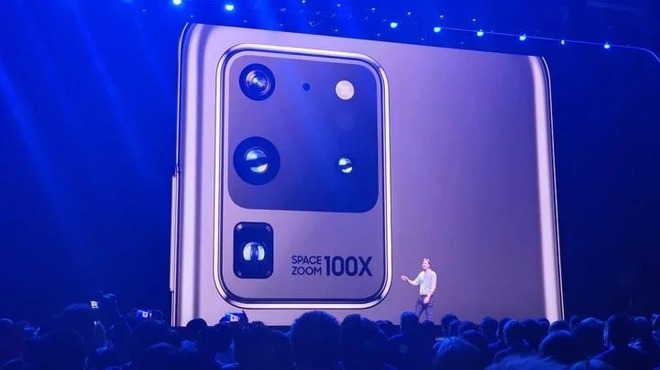
Samsung is developing 150 MP image sensor?
Because the sensor is developed based on Nonacell technology, it will combine nine pixels into one to achieve higher light absorption.
The 150 MP sensor is expected to produce 16 MP photos (ISOCELL Bright HM1 yields 12MP photos).
The multi-pixel race that had been "dead" for many years now has been resumed by Nonacell. Samsung can create these special sensors for Chinese customers. They can even use it for subsequent flagships like the Galaxy Note 20 or Galaxy S21.
Reference: Sammobile
FAQ
What is the main focus of Rumor: Samsung Is Developing a New 150MP Nonacell Sensor for?
The article explains the most important facts, context, and practical details related to Rumor: Samsung Is Developing a New 150MP Nonacell Sensor for.
Who may find this information useful?
It is useful for readers who want a clear overview, practical context, and a better understanding of the subject.
What should readers verify before taking action?
Check current product versions, official requirements, regional availability, and any details that may have changed since the original publication.
Related Articles
 Huawei, Xiaomi, Vivo and Oppo Work Together to 'Fight' Google3 minutes read
 The Real Thing Behind Xiaomi, OPPO, and Vivo Is Against Broadcom's Acquisition of Qualcomm4 minutes read
 5 Million Samsung, OPPO, Vivo Smartphones. Are Infected with Malware: How to Check4 minutes read
 Ranking the World's 10 Most Powerful Android Smartphones Today5 minutes read
 Samsung, Xiaomi, OPPO and LG All Simultaneously Closed2 minutes read
 Samsung Launches Revolutionary 200MP Camera Sensor: What to Know3 minutes read
Reader Comments 0
Sign in with email or Google to join the discussion.