Table of Contents
Some mobile games are memorable because they were popular; a smaller group changed what players expected a phone to do. The six games below each made a particular kind of mobile play easier to understand, imitate, or take into everyday life.
This is not a ranking of the “best” mobile games. It is a look at influential design ideas—from keypad controls and short sessions to touch gestures, endless levels, and location-based play.
1. Snake made phone gaming an everyday habit
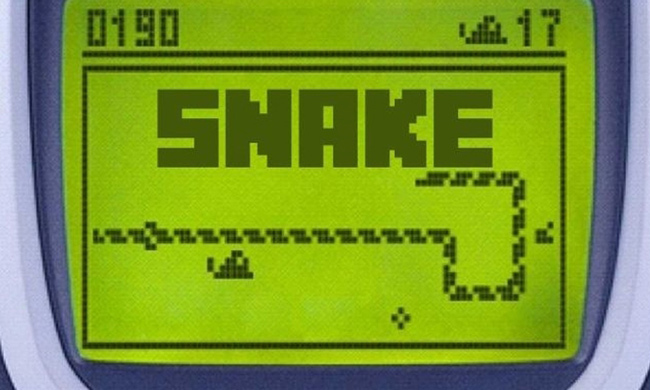
Snake existed in several forms before mobile phones, but Nokia’s built-in version on the Nokia 6110 in 1997 put a recognizable game in millions of pockets. Players guided a growing line around a small screen, collecting items while avoiding the walls and the snake’s own body.
The game suited the hardware perfectly: it used a few keypad buttons, started quickly, and worked well in short sessions. Snake demonstrated that a phone did not need console-style graphics or elaborate controls to provide a compelling game. That lesson still shapes mobile design today.
2. Angry Birds showed the commercial reach of touch games
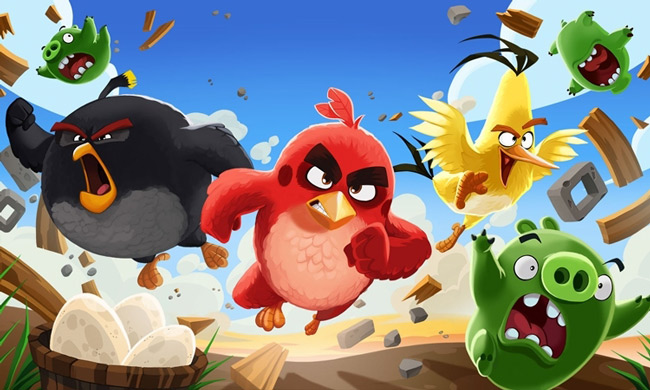
Rovio released Angry Birds for iOS in 2009. Its slingshot mechanic turned a finger movement into an action that was easy to grasp: drag, aim, and release. The physics-based levels encouraged repeated attempts without demanding a long tutorial.
The series expanded to other platforms and became much more than an app, with merchandise, animation, and films. Its broader importance was proving that an original mobile game could support a worldwide entertainment brand.
3. Fruit Ninja made the touchscreen the controller

Released by Halfbrick in 2010, Fruit Ninja asked players to slice fruit by swiping directly across the screen. The action was immediately understandable because the gesture resembled the movement it represented.
Rather than copying buttons from a console controller, the game made touch input central to its design. It became an early, clear demonstration of how phones and tablets could offer play styles built specifically for their screens.
4. Temple Run defined the swipe-based endless runner
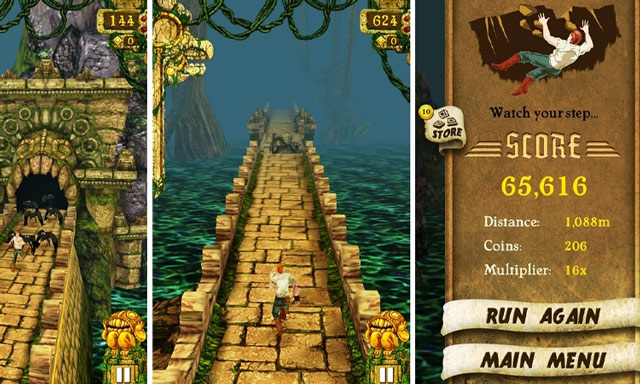
Imangi Studios released Temple Run in 2011. The character ran automatically while the player swiped to turn, jump, or slide and tilted the phone to move from side to side. A run could end quickly, but restarting took only a moment.
That combination of simple gestures, increasing speed, collectible upgrades, and instant restarts helped establish the modern endless-runner formula. Many later mobile games adopted similar controls and short, repeatable sessions.
5. Flappy Bird demonstrated the power of one-tap design
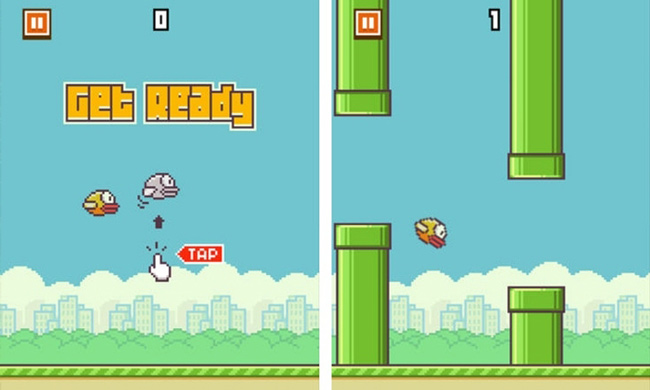
Flappy Bird was released in 2013 and became a viral hit in early 2014. Tapping made the bird rise; doing nothing made it fall. The controls could be explained in one sentence, but passing between the pipes required precise timing.
Its sudden popularity inspired a wave of minimalist, high-difficulty games and numerous imitations. The original app was later removed from major app stores. Anyone looking for it today should be cautious about unofficial APK downloads, which can carry security risks.
6. Pokémon GO brought mobile play into public spaces
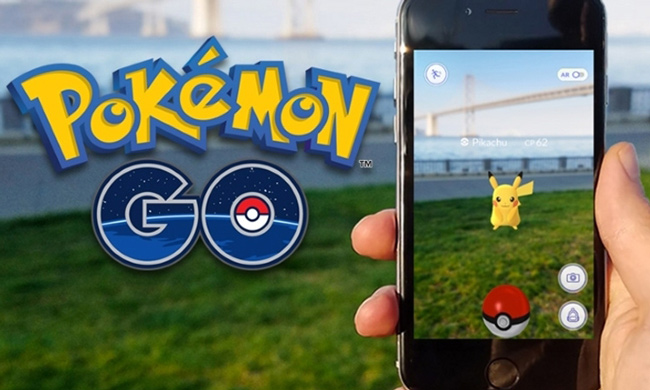
Niantic launched Pokémon GO in 2016. The game combined a familiar franchise with phone location data, a map of the player’s surroundings, and optional augmented-reality views. It was not the first location-based or AR game, but it became one of the most visible demonstrations of both ideas.
Its design encouraged players to walk, visit landmarks, and meet other players outside. It also highlighted an important limitation of games that interact with the real world: players must remain aware of traffic, private property, weather, and their surroundings.
What these games changed
- Snake: proved that built-in, short-session games belonged on phones.
- Angry Birds: showed that a mobile-first title could grow into a global entertainment property.
- Fruit Ninja: made direct touch gestures the main game mechanic.
- Temple Run: popularized swipe controls and the endless-runner loop.
- Flappy Bird: showed how far a focused, one-tap concept could spread.
- Pokémon GO: made location-based play and mobile AR familiar to a broad audience.
Mobile hardware and app stores have changed dramatically, but these design lessons remain relevant. For more context, see TipsMake’s successful Vietnamese smartphone games and its guide to the best handheld game consoles.
Related Articles
 The 'First' of the Phone6 minutes read
 Best Games: 30 Best Free Games on PC17 minutes read
 20 the Most Important Website in the History of Internet Development (Part 1)5 minutes read
 Top 10 Biggest Budget Development Games in History: Common Names19 minutes read
 Best Cooking Games for Android and iPhone6 minutes read
 7 Best Farm Games on Phone and Computer14 minutes read
Reader Comments 0
Sign in with email or Google to join the discussion.